Allies Ask Russia to Observe a Christmas Ceasefire
With rockets still falling, Berlin is weighing whether to ask Moscow to give people a few days of respite. Proposals from the US, Ukraine and Europe are already on the table; the ball is now in Russia's half of the field.
By Oleg Bazylewicz
December 15, 2025 · 2 min read
While rockets and strikes continue to tear lives out of our cities, another important battle is unfolding on the diplomatic front — for a few days of human calm during Christmas. This concerns everyone: families counting the days until a possible lull, and soldiers who need to know that behind their shoulders there is not only weapons, but the support of the world.
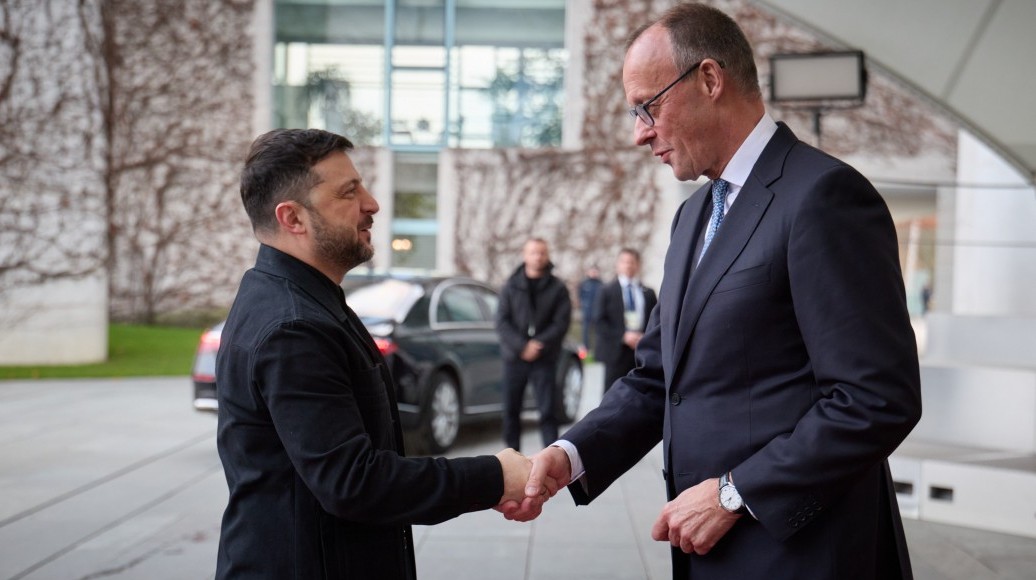
German Chancellor Friedrich Merz said in Berlin alongside President Volodymyr Zelenskyy that allies will appeal to Russia to cease hostilities at least for the Christmas period. According to participants in the talks, on December 14–15 the United States, Ukraine and European representatives prepared a package of proposals that will be handed to the Russian side. There are no guarantees — "the ball is in Russia's court" — but the very fact of the initiative already changes the rules of the game.
"Perhaps the Russian government still has remnants of humanity and can leave people in peace for at least a few days during Christmas. And maybe this will be the start of constructive, sober negotiations that will lead to lasting peace in Ukraine."
– Friedrich Merz, German Chancellor
Why this matters
Western analysts view this initiative as a signal to Moscow: if the Kremlin responds, it would be not only a humanitarian gesture but a powerful political move that could force a reassessment of the aggressor's future strategy. Insiders say that even a short cessation of hostilities could allow evacuations, repairs to critical infrastructure, and an assessment of the situation on the frontline.
In addition, on December 12 the President of Turkey voiced a proposal to halt strikes on critical infrastructure and Ukrainian ports — another sign that the world is seeking at least minimal relief for the civilian population. The President of Ukraine also confirmed that at the end of the 20-point U.S. document there is mention of the possibility of a truce between Ukraine and Russia.
What comes next
Possible scenarios are already being discussed online: from a short-term humanitarian ceasefire to a prelude to broader negotiations. The world is watching — and that will determine whether this becomes just a political statement or grows into real relief for millions. Ukraine is showing it is ready to seize any opportunity to protect people and bring a genuine, lasting peace closer.
This is a decisive moment: allies have prepared a proposal, experts speak of a chance, and the answer is up to Moscow. It is important for us not to miss this moment and to continue applying diplomatic pressure while the opportunity is still open.



