Signal to Moscow: Trump Satisfied with Progress of Talks in Berlin
While tensions on the front persist, a decisive negotiating session took place in Berlin — the US says "90% of the issues" have been addressed and security guarantees were discussed. This could change the game — and the world is already reacting.

By Oleg Bazylewicz
December 15, 2025 · 3 min read
This changes the rules of the game. While the fighting for every meter continues at the front, a meeting was taking place in Berlin that could define the security format for Ukraine for years to come. Insiders speak of significant progress — and that now the whole world is watching more closely.
What happened in Berlin
Negotiations between the Ukrainian and American delegations in Berlin on December 14 lasted more than five hours. According to Sky News, the parties were able to make progress in dialogue on the terms of peace and security guarantees, and working groups reached agreements on a number of key issues. Another day of talks was scheduled for December 15 — a signal that the agreements would be brought to a logical conclusion.
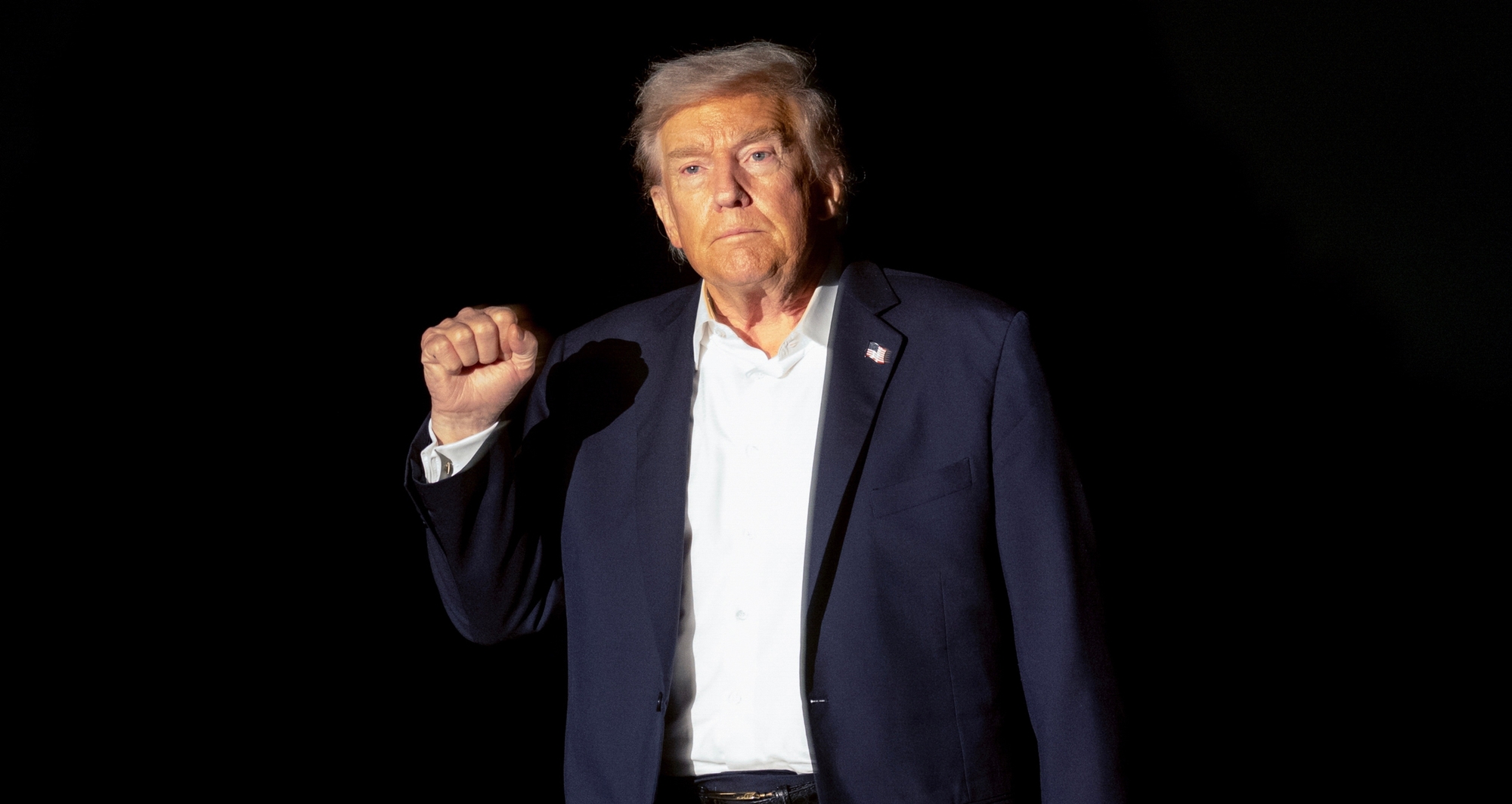
"There are still some issues to discuss, but Donald Trump is satisfied with the progress made"
– An unnamed U.S. official, Sky News
According to an interlocutor, European representatives "performed excellently" — and this is not just a compliment, but an important sign of the collective West's solidarity at a moment when decisions affect the region's security.
Why it matters
Insiders reported a provision on security guarantees modeled on NATO's Article 5 — meaning this is not about declarations, but about frameworks that could provide legally and politically weighty commitments. Western analysts see in this a possibility to create a shield that would reduce risks for Ukraine in the near term.
The interlocutor also said that, in their assessment, 90% of issues between Ukraine and Russia have supposedly been resolved. This claim should be read cautiously, but even partial implementation of such agreements would be a historic event for us.
Hidden threat and opportunity
Trump, according to an official representative, believes he can persuade Moscow to accept these guarantees, but warns: they will not "last forever." Western analysts note that temporary mechanisms offer a chance for an immediate de-escalation, but also require us to pursue a strategy for long-term state strengthening.
Territorial issues were also discussed — the debates are intensifying because they concern what is sacred to us. Possible scenarios are already being discussed online: from quick deals to prolonged negotiations that will require our unity and endurance.
What happens next
The next steps — another day of dialogue in Berlin and further consultations between Washington and Kyiv. The U.S. expressed the view that Moscow might be open to a European perspective for Ukraine — but this is an assessment, not a guaranteed reality. The Ukrainian position, voiced by the President, is clear: the idea of Ukraine withdrawing from Donbas in exchange for peace is unfair.
Western experts urge us not to relax: even if some issues are resolved, guarantees require monitoring and international accompaniment. This is an opportunity, but it does not replace our readiness to defend the state — now and in the future.
Finale: a historic moment
We stand on the threshold of history. That the talks in Berlin brought real progress is a signal to Moscow: the world is ready to act, and Ukraine has partners. This inspires pride in our diplomats and at the same time demands vigilance from each of us. The coming days will show whether these agreements will be realized as real guarantees — but it is already clear: we can turn losses into opportunities and pave a path to security together with our allies.
The world is watching. We must act decisively — and be prepared for all scenarios.



