Syrskyi: the 800,000 cap isn't slowing mobilization — what it means for Ukraine's security
The Commander-in-Chief of the Armed Forces of Ukraine explained that limiting personnel numbers to 800,000 is not about banning mobilization, but about planning. We examine why this figure is important right now and what risks remain.

By Tetiana Suchkova-Ladik
December 30, 2025 · 2 min read
What the commander-in-chief actually said
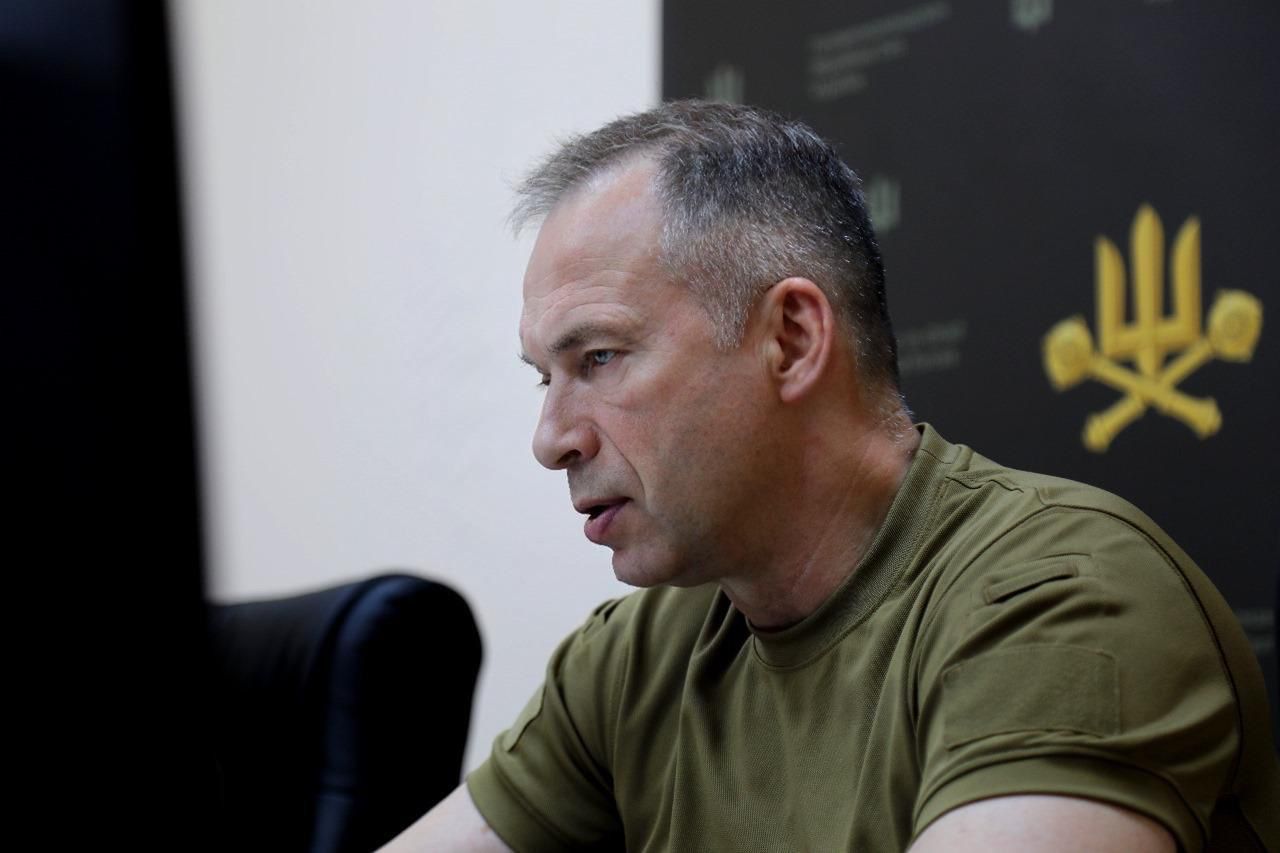
The Commander-in-Chief of the Armed Forces of Ukraine Oleksandr Syrskyi, in an interview with Channel 24, confirmed: the figure of 800,000 servicemembers that appears in discussions of the peace plan ensures defensive capability and does not mean a restriction on mobilization in the event of a new Russian offensive. According to him, this is a working number for planning, and the country's mobilization capabilities are preserved.
"This figure really guarantees us resistance to armed aggression in case it resumes. This figure also guarantees a planned mobilization process for us. That is, we are not limited in mobilization. All our mobilization indicators and capabilities are preserved"
— Oleksandr Syrskyi, Commander-in-Chief of the Armed Forces of Ukraine
Where the figure 800,000 came from
According to Syrskyi and explanations by the president, initial proposals envisaged smaller numbers — up to 600,000. In the end, it was the option of 800,000 that was agreed as one that meets defense needs and the actual personnel numbers the president cited. In other words, this is not an external "forcing" of numbers, but a compromise that reflects the current state and planned needs.
What this means for security and for every Ukrainian
First, the key point — mobilization is not canceled. A formal planning figure does not negate the state's capabilities to respond to aggression. Second, having a clear target number allows for better allocation of resources: training, armament, logistics, and social guarantees. Analysts and military experts note: the figures must be accompanied by funding and material-technical support — otherwise the sheer number will not provide an advantage on the battlefield.
What next
Declarations about numbers are the first step. The question is how these numbers will be turned into real capabilities: unit readiness, equipment, and international assistance. If aggression resumes, the state must preserve mobilization potential and activate it quickly. So the next two indicators to watch are the level of personnel support and the pace of reserve training.
Summary: 800,000 is not a ceiling for weakening defense, but a planning benchmark. It is important that resources and transparent decisions follow the numbers — then this will work for the security of every Ukrainian.



