Syrskyi: Ukraine's Armed Forces complete transition to a corps-based system
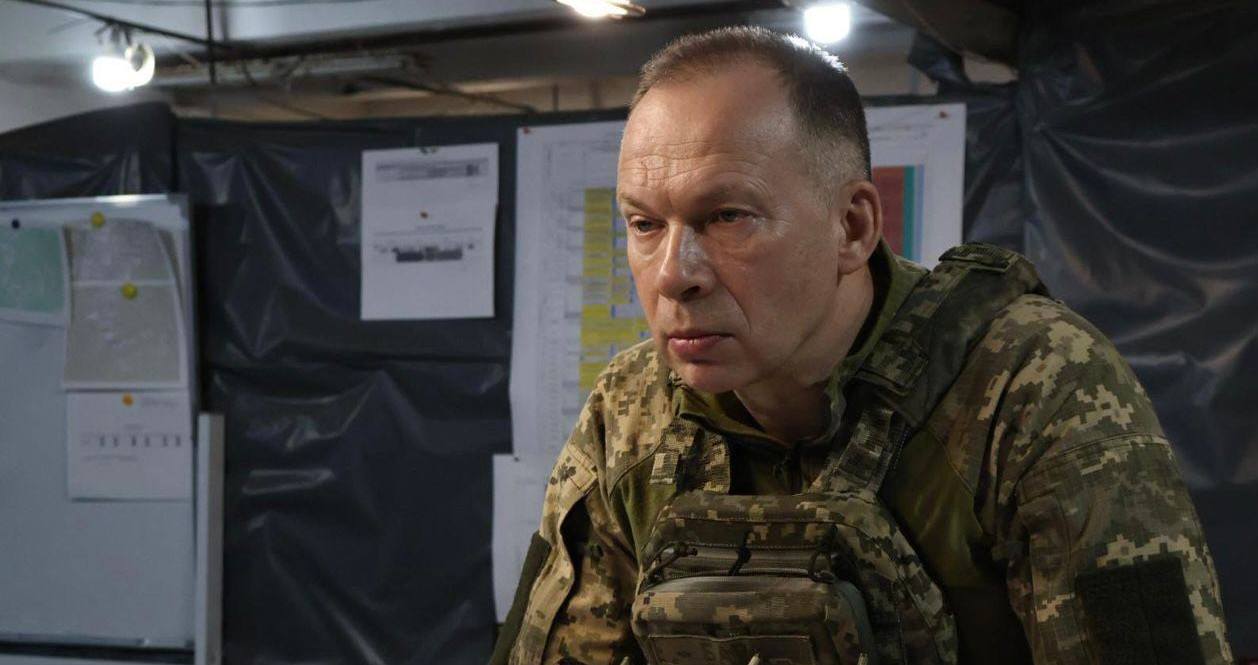
Commander-in-Chief Oleksandr Syrskyi reported that Ukrainian forces have switched to a corps-level command model, are adjusting unit complements to match the actual makeup of the corps, and have begun rotating brigades where the combat situation allows.
By Oleg Bazylewicz
December 10, 2025 · 1 min read
Transition to a corps-based system
Commander-in-Chief of the Armed Forces of Ukraine Oleksandr Syrskyi met with leaders and editors of Ukrainian media and spoke about the completion of the transition of units to a corps command model. According to him, this step has eased the burden on the command structure that operated in operational-tactical and operational-strategic groupings.
The corps have already gained experience
– Oleksandr Syrskyi, Commander-in-Chief of the AFU
Syrskyi added that the corps have been assigned defined areas of responsibility and fixed force packages. Commanders who did not meet the requirements were replaced.
Rotations and staffing
The next stage is aligning the corps’ authorized staffing with the actual composition of the forces. According to the Commander-in-Chief, brigade rotations have already begun, but they are being carried out only in places where the intensity of combat allows.
- In October it was reported that the corps system does not provide for a separate OSUV structure; responsibility for one of the key directions will fall to the Joint Forces Command under the leadership of Drapatyi.
- In November the president ordered a review of approaches to staffing brigades with personnel; the deputy head of the Office of the President explained what changes are planned to be introduced.
- At the Stavka they approved the procedure for distributing fighters among combat brigades; the Office of the President published details of this process.



