Tanker Progress Drifts in the Mediterranean Sea: A Test for the Sanctions Regime and Maritime Security
Bloomberg reports that the sanctioned Russian tanker Progress, carrying roughly 730,000 barrels of Urals crude, lost steering off the coast of Algeria — the incident exposes gaps in oversight of the "shadow fleet" and has implications for sanctions policy and environmental safety.

By Tetiana Suchkova-Ladik
January 23, 2026 · 2 min read
What happened
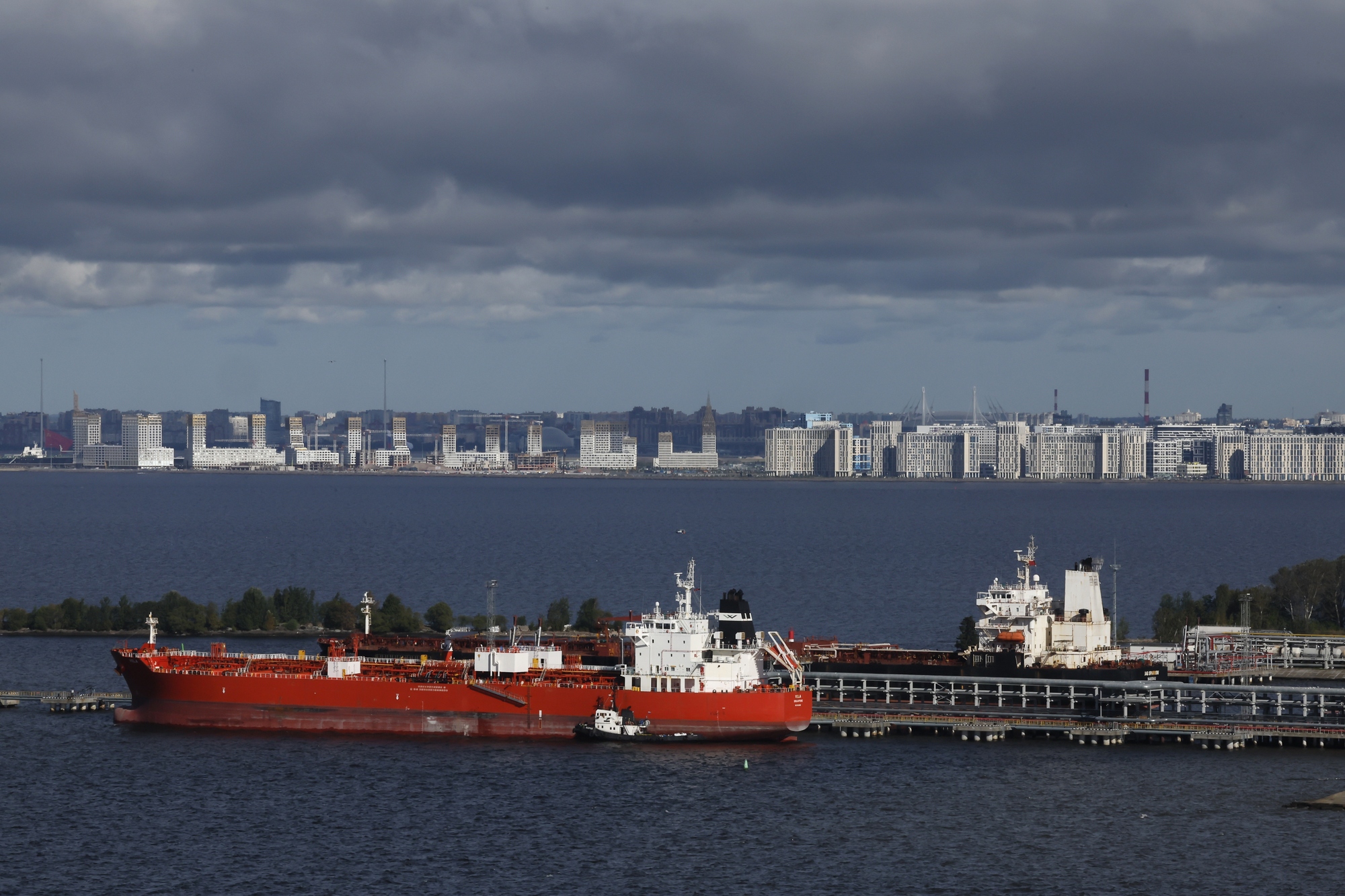
According to Bloomberg, the LR2-class tanker Progress, which is under sanctions for transporting Russian oil, apparently suffered a mechanical failure off the coast of Algeria and is now drifting in the Mediterranean. The vessel was heading east toward the Suez Canal and was carrying roughly 730,000 barrels of Urals-grade oil.
"On Thursday morning its navigational status changed to 'Not under command', and its speed fell to about one knot."
— Bloomberg, citing shipping monitoring data
How this works in practice
After passing Algeria, Progress suddenly turned north and left traditional shipping lanes. Such maneuvers and the status change fit the modus operandi of the "shadow fleet": re-routing, concealed transits, changing names and flags, which complicate tracing the origin of cargoes and the owners.
"The vessel is managed by Legacy Marine LLC, based in St. Petersburg; the company did not respond to calls or emails."
— Equasis / shipping database
What this means for sanctions and security
First, the incident highlights technical and legal challenges: even when a vessel is detected and listed, it can change names, flags and management — and continue transporting oil. Second, there is an environmental risk: a drifting tanker with a large cargo raises the likelihood of a spill, which would strike Mediterranean coastlines and undermine regional stability.
Western actions and a signal for Ukraine
In response to similar cases, France this week detained another tanker on a comparable route, and international databases record more than 600 vessels linked to the transport of sanctioned Russian oil. This indicates that oversight is tightening, but measures remain fragmented.
For Ukraine this has direct strategic implications: the effectiveness of the sanctions regime affects Russia's ability to obtain foreign-currency revenues that finance the war. So each case of detection, documentation and, where possible, seizure — is not merely a maritime incident but an element of economic pressure on the adversary.
Short forecast
The incident with Progress is a test for international monitoring and enforcement mechanisms. If oversight is strengthened and the arrest/check mechanisms become more consistent, the shadow fleet's capabilities will shrink. If not, similar cases will recur, increasing risks to the environment and sanction evasion.
Question for partners: will Europe have the political will and the operational coordination capacity to turn declarations of control into lasting practice — and thereby weaken the financial flows that sustain the aggression?



