Terror attack in Obolon: SBU detains Kyiv woman recruited via Telegram
A Kyiv woman agreed to blow up a serviceman’s car for $1,500 but did not receive the money. Her arrest underscores that the enemy is deliberately using social networks and financial channels to carry out attacks on our defenders.

By Tetiana Suchkova-Ladik
January 5, 2026 · 2 min read
What happened
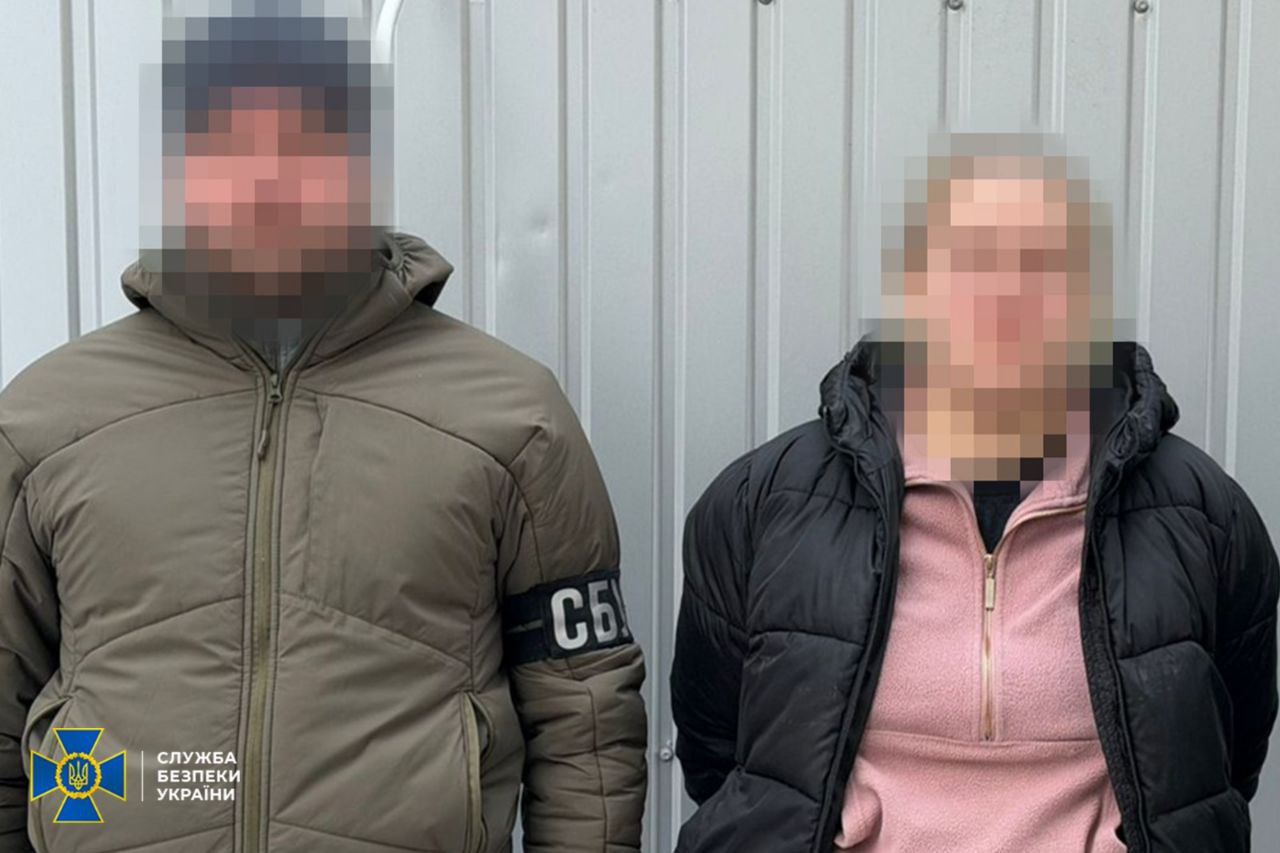
Law enforcement reported the arrest of a 25-year-old Kyiv resident suspected of blowing up the vehicle of a National Guard serviceman in the Obolonskyi district on January 4. According to the SBU and the National Police, as a result of the explosion the serviceman and his acquaintance sustained injuries and a concussion.
How the scheme worked
According to the investigation, the woman was recruited by Russian special services while searching for "easy earnings" in Telegram channels. The occupiers provided instructions for assembling an improvised explosive device and partially transferred funds to her bank card; some of the transfers went through her father's account details. To record the action, the perpetrator installed a hidden camera with remote access.
"According to the investigation, the 25-year-old Kyiv resident was recruited by Russian special services and acted on their instructions"
— Security Service of Ukraine, National Police
Key facts
- The explosion occurred on January 4; police, canine units and other services worked at the scene.
- The perpetrator was detained within a few hours in a shopping and entertainment center; in her belongings investigators found a SIM card from the "video trap" and a phone for communication with the handler.
- The occupiers promised a reward of $1500, but it was never paid.
- The detainee is also suspected of setting fire to the serviceman's car in December of last year.
Why this matters
This case illustrates several systemic threats: targeted recruitment via messaging apps, the use of banking channels for concealment, and the intent to attack servicemembers not only on the front lines but also in the rear. Security analysts note that such operations are intended to demoralize, create fear and undermine the sense of safety in cities.
Consequences and expected actions
The SBU plans to notify her of suspicion under the article on a terrorist act; sanctions envisage up to 10 years' imprisonment with confiscation of property. Practical takeaways for the state and citizens include strengthening transaction controls, monitoring recruitment channels on social networks, improving information hygiene among those returning from the front, and coordinating with banks and platforms for rapid detection of suspicious transfers and ads.
Conclusion
This case is a reminder that the war is not fought only on the front. While the security services document and uncover such operations, the key task for society and institutions is to reduce vulnerability: from financial monitoring to media literacy. The issue is not only punishing the guilty, but implementing systemic measures that will prevent similar attacks from recurring.



