Terrorist attack in Lviv: suspected female perpetrator detained — what we know and why it matters
After a double explosion in Lviv, police and the SBU detained a suspect. We break down the timeline of events, the investigators' theories, and the possible implications for Ukraine's security.

By Tetiana Suchkova-Ladik
February 22, 2026 · 3 min read
Briefly
They detained the suspected perpetrator of the explosions in Lviv on the night of February 22. According to the Office of the Prosecutor General, the suspect is a Ukrainian citizen; the investigation considers the primary version to be that the terrorist act was ordered by Russia. This incident is part of a series of explosions recorded across the country in recent weeks and has a direct impact on internal security.
What is known: timeline and victims
Two explosions rang out in Lviv: the first occurred upon the arrival of a patrol, as a result of which patrol officer Viktoriya Shpylka was killed; 16 minutes later a second explosion occurred when other police and National Guard units had already arrived on the scene. The total number of injured has risen to 25 people; 11 victims are in hospitals, among them six law enforcement officers — in serious condition. The wounded include both law enforcement personnel and civilians.
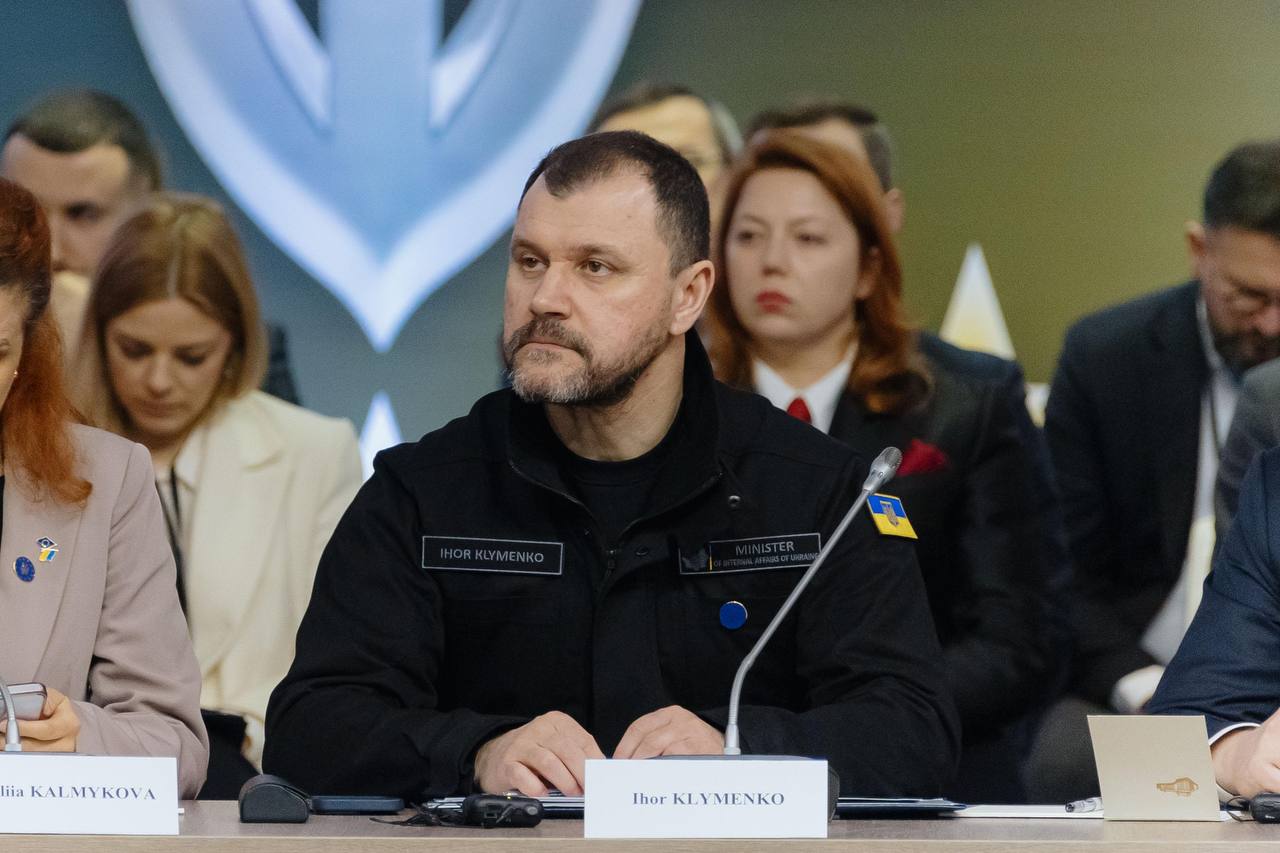
"A few minutes ago we detained in one of the district centers of the Lviv region the very perpetrator"
— Ihor Klymenko, Minister of Internal Affairs
"A multi-stage special operation was carried out to identify enemy agents involved in the terrorist act. Work continues to establish the organizers"
— Oleksiy Holoborodko, first deputy head of the SBU department in the Lviv region
Investigators' theory and context
The Office of the Prosecutor General cites as the primary scenario that the attack was ordered by Russia. This fits into a chain of incidents in recent weeks: on February 16 in Odesa a car exploded (the SBU classified it as a terrorist act and detained the bomber, who is linked to Russian special services), and there were also arrests over the bombing of a resuscitation ambulance in Kyiv on February 11. Analysts note that such attacks have not only a physical but also a psychological aim — discrediting security forces and sowing distrust among citizens.
Evidence base and next steps in the investigation
Investigators are seizing surveillance camera footage and processing materials from the scene. The suspected perpetrator was detained after a multi-stage operation — this creates an opportunity to move quickly toward identifying the organizers and those who ordered the attack. The prosecutor's office, the SBU and the police are working in coordination; it is important that the investigation be transparent and prompt to minimize the risk of new attacks and demonstrate that responsibility cannot be evaded.
Why this matters
This is not an isolated incident — it is a test of the capacity of state institutions to counter hybrid threats. It is important to understand: attacks on law enforcement have a double effect — physical harm and demoralization of the services that work to ensure citizens' security. The outcome of the investigation will affect not only bringing the guilty to justice, but also the level of public trust in the security forces at a critical time.
What next
Quick but measured steps are needed: complete and present the results of the investigation, strengthen preventive measures in places of public gathering, and expand international cooperation in uncovering chains of financing and recruitment. Citizens should remain vigilant and trust official reports rather than rumors — this helps the security services and law enforcement do their work more effectively.
This incident raises for the state questions not only about responding to a specific attack but also about the resilience of the security system as a whole: will we be able not only to neutralize the perpetrators, but also to uncover and bring to justice those who ordered it?



