Trump announced possible bolstering of aircraft carrier presence off Iran — why it matters for Ukraine's security
In an interview with Axios, the U.S. president paired diplomacy with a show of force. That combination could reshape regional dynamics and indirectly influence Western partners' priorities regarding Ukraine.

By Tetiana Suchkova-Ladik
February 10, 2026 · 2 min read
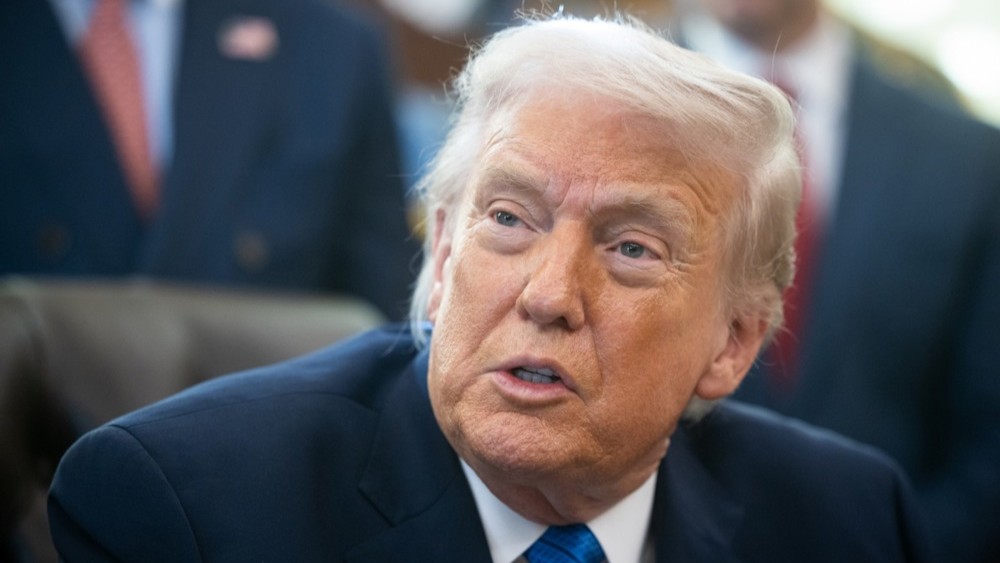
In high diplomacy — force and negotiations
U.S. President Donald Trump in an interview with Axios combined optimism about talks with Iran and an open readiness to increase military presence in the region — including mention of the possible deployment of a second carrier strike group. This is worth reading carefully: a show of force alongside dialogue changes the parties' calculations and has indirect consequences for the security and diplomatic priorities of our partners.
What exactly Trump said
In the conversation with Axios, Trump said that if the talks fail, the option of "very tough" actions is being considered, as allegedly happened in June 2025. He also stated that the carrier USS Abraham Lincoln is already operating in the region, and that sending another strike group is under consideration. An unnamed U.S. official confirmed to Axios that such discussions took place.
"Either we make a deal, or we'll have to do something very tough, like last time."
— Donald Trump, President of the United States (interview with Axios)
Context
The latest rounds of talks between Washington and Tehran took place in Oman on February 6, reports WSJ; the paper's interlocutors say that Iran has maintained its refusal to stop uranium enrichment. Publicly, Tehran insists it will not negotiate on issues other than its nuclear program and will not give up its right to enrichment.
At the same time, influential circles in the U.S. and Israel consider a comprehensive deal unlikely and lean toward tougher measures. It is in this political context that threats to bolster military presence are also voiced.
What this means for Ukraine
Two things matter for Ukraine: first — whether this crisis will divert the attention and resources of partners from our front; second — whether it will change the risk appetite and logistics of arms deliveries. As Danilov, deputy director of the Center for Middle East Studies, noted in a comment to LIGA.net, a possible U.S. strike on Iran could have incidental positive effects for Ukraine in certain respects, but it also creates additional uncertainties in international politics.
Practically: partners will reassess risks, adjust delivery routes and training schedules; Ukrainian diplomacy must keep a channel of communication open with key capitals so that declarations of support are transformed into concrete decisions.
"Last time they didn't believe I would do it."
— Donald Trump, President of the United States (interview with Axios)
Conclusion
A demonstration of resolve alongside negotiations is a tool that can speed up agreements or escalate conflict. Ukraine must now avoid emotional interpretations and monitor concrete steps: movements of forces, signals from partners, and the results of subsequent rounds of talks. Whether words turn into actions will determine how much this episode affects our security and international support in the coming weeks.
Sources: Axios, The Wall Street Journal, LIGA.net.



