Trump Announces Meeting With Zelensky in Davos — What Does It Mean for Ukraine?
After arriving in Davos, the US president said he was negotiating with both sides and purportedly saw a chance for a deal between Russia and Ukraine. Ukrainian officials clarify: the president is in Kyiv. Why this matters for Ukraine’s security and negotiating position — briefly and to the point.

By Tetiana Suchkova-Ladik
January 21, 2026 · 2 min read
Brief and important
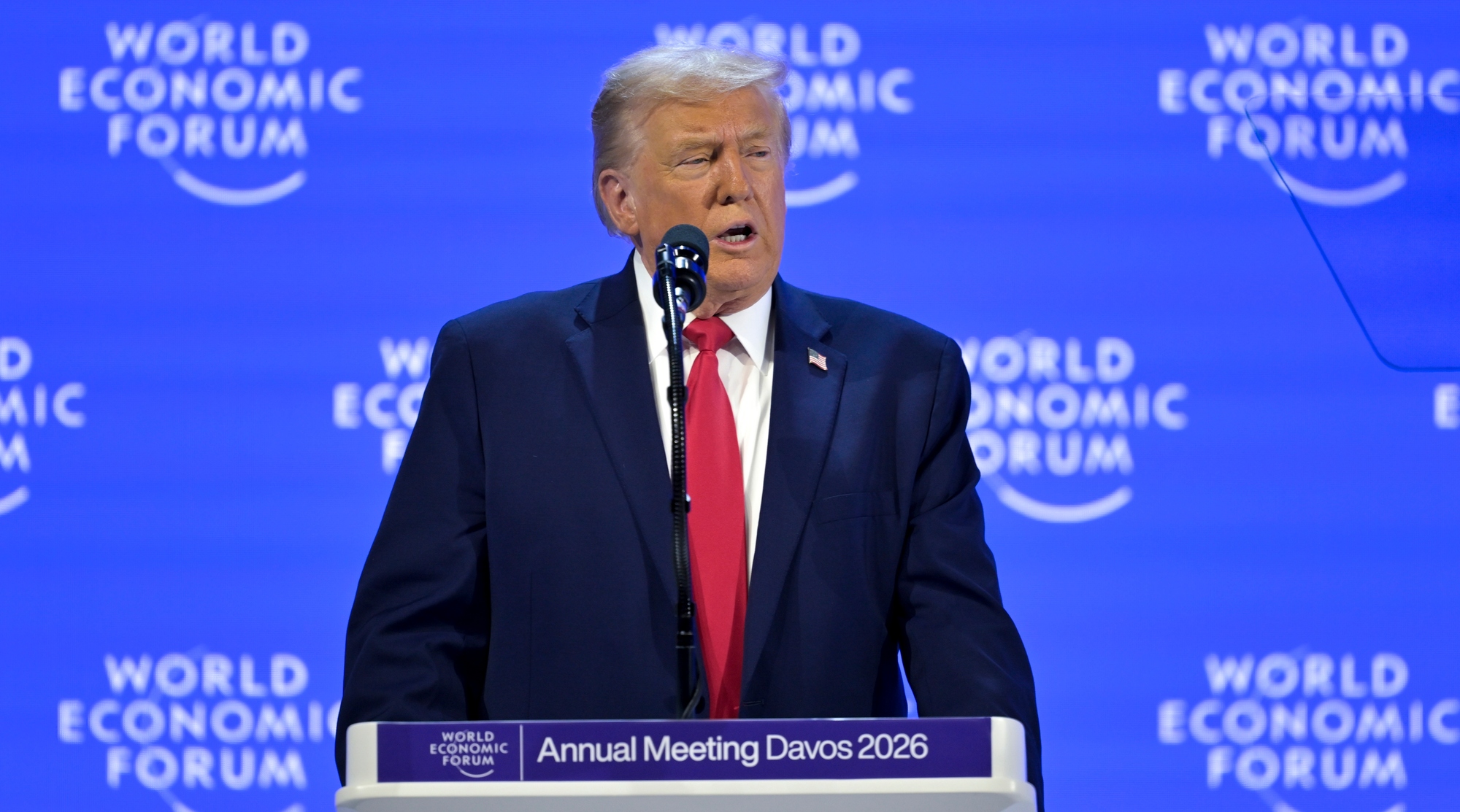
During a press conference in Davos, Donald Trump said he is reportedly negotiating with Vladimir Putin and Volodymyr Zelensky and believes both are allegedly ready for a peace deal. Ukraine promptly denied the president's presence at the forum — according to communications adviser Dmytro Lytvyn, Zelensky is in Kyiv. This statement matters not so much for the announcement itself as for the possible diplomatic consequences for Ukraine's position.
What exactly was said
“I am negotiating with Putin, and I think he wants to make a deal. I am negotiating with President Zelensky, and I think he also wants to make a deal.”
— Donald Trump, President of the United States
“This war needs to be stopped, because too many people are dying… This is the only reason I am interested in this.”
— Donald Trump, President of the United States
“Zelensky is in Kyiv.”
— Dmytro Lytvyn, presidential communications adviser
Sources and context
According to CNN and Axios (two unnamed sources), a meeting on January 22 is being considered in Davos; at the same time, the U.S. administration is reportedly sending special envoys to Moscow. These reports should be seen as a signal of a diplomatic initiative, not as a concluded agreement: negotiations and consultations are ongoing, and specific terms have not been announced.
Risks and scenarios for Ukraine
There are several key points the Ukrainian side and the public should pay attention to:
- Clear guarantees: any agreement must ensure the restoration of territorial integrity and security guarantees that can be verified and implemented.
- Control mechanism: the risk of haste is that compromises without control mechanisms will undermine our position for years.
- Diplomatic competition: initiatives by individual political actors can undermine partners' unity; it is important that negotiations be coordinated with key allies.
What next
Trump's words create an information impulse, but real weight must come from concrete proposals and guarantees. Analysts and the diplomatic community note: it will depend on the details of the proposal whether this becomes an opportunity for de‑escalation or a risk to Ukrainian interests.
Conclusion
Now it is up to the partners and Ukrainian diplomacy: voices and statements must turn into verified agreements that protect our security. Whether international initiatives can lead to a truly favorable decision for Ukraine — the question remains open.



