Trump allowed a Russian tanker to break Cuba's blockade: what's behind it
The United States had for years maintained an energy blockade of the island — and quietly yielded to "Anatoliy Kolodkin." Why now, and what does this mean for Washington's sanctions policy.

By Tetiana Suchkova-Ladik
March 30, 2026 · 1 min read
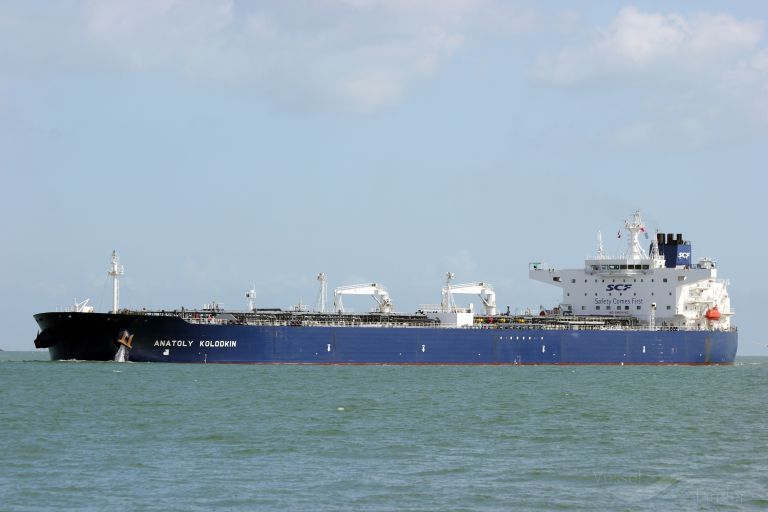
Cuban Carlos Medina is used to eight-hour power cuts a day. For him, the arrival of a single tanker is the difference between a charged phone and darkness until morning. For Washington — a decision that undermines the logic of its own sanctions architecture.
Around March 31 a Russian oil tanker, "Anatoly Kolodkin", which departed from the port of Ust-Luga, is expected to arrive in Cuba. According to vessel-tracking services VesselFinder and MarineTraffic, the ship is already in the Caribbean Sea directly off the island. The U.S. Coast Guard could have intercepted the vessel — and did not. An informed U.S. official confirmed this to The New York Times.
Donald Trump personally confirmed the decision in a conversation with reporters: "We are not against someone getting a shipment of oil". Briefly, with no details and no explanation as to why a principle that had been in force for years suddenly stopped applying.
The energy blockade of Cuba was one of the few tools of pressure that produced a tangible effect. After the U.S. tightened restrictions on deliveries of petroleum products, the island plunged into systemic blackouts — outages stretched for hours, hospitals were forced to stop, infrastructure failed. The Havana regime faced real pressure, not just diplomatic statements.
Now Moscow has de facto acted as the savior of Cuba's energy sector — and did so with Washington's silent consent. No public agreement, no announced exchange of concessions. The tanker simply passed, and American patrol boats stepped aside.
This is not the first sign of the erosion of sanctions boundaries under the current administration, but it is one of the most striking: a restriction that cost Havana real economic losses was lifted unilaterally — without public justification and without any visible concession from Cuba or Russia.
If Washington is prepared to lift sanctions pressure without conditions and without a public explanation — which restrictions remain irreversible?



