Trump and Putin discussed Iran and Ukraine — what it means for Kyiv
The Kremlin announced another phone call between the leaders of the United States and Russia amid escalating tensions in the Middle East. We analyze why this conversation could affect security, energy and Ukraine’s prospects for negotiations.

By Tetiana Suchkova-Ladik
March 9, 2026 · 2 min read
Briefly — the essence
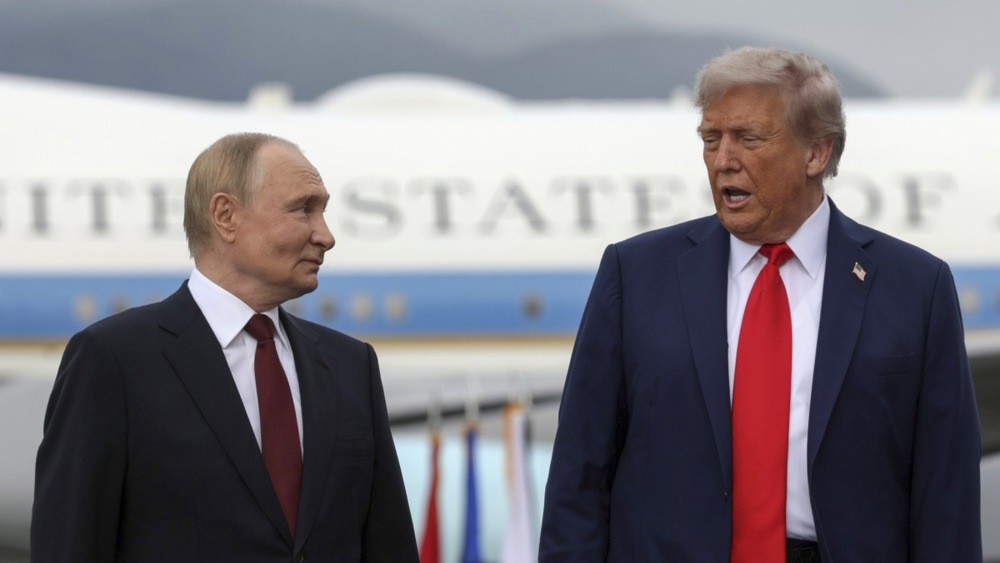
The Russian side announced a new telephone call between U.S. President Donald Trump and Russian President Vladimir Putin. The statement was released by Kremlin aide Yuri Ushakov; there are no official comments in Washington yet.
What exactly was said
"Trump and Putin focused their conversation on the conflict involving the United States and Israel with Iran and on resolving Russia's war against Ukraine."
— Yuri Ushakov, aide to the Russian president
Context: why the conversation took place now
The Kremlin's initiative coincides with an outbreak of conflict between the United States and Israel and Iran (according to reports, the escalation began on February 28). Such synchronicity is important: when the attention of major players shifts to the region, the risk increases that diplomatic efforts regarding Ukraine may receive a different emphasis or priority.
Analysts and the media, including LIGA.net, have already considered scenarios for how a deterioration in the Middle East could affect energy markets and supplies to Ukraine — from fuel prices to logistical routes.
What this means for Kyiv
First, the call indicates that Washington and the Kremlin are attempting to coordinate positions — although the nature of that coordination is unknown without official confirmation from the American side. For Ukraine this is both an opportunity and a risk.
- Opportunity: the activation of negotiations at a higher level could open the way to tripartite consultations, which the U.S. president had previously mentioned after speaking with Volodymyr Zelensky.
- Risk: the concentration of U.S. attention on the Middle East could temporarily reduce diplomatic pressure on Moscow or delay decisions on additional assistance to Kyiv.
"Russia violated that ceasefire and went without attacking for only just under four days instead of the promised week."
— Volodymyr Zelensky, President of Ukraine
"Putin kept his word."
— Donald Trump, President of the United States (according to preliminary reports)
Next steps — what to watch
Planned rounds of delegations from Kyiv, Moscow and Washington that could have taken place in early March have already been postponed due to events in the Middle East. It is important to track three things:
- Official confirmation or denial of the call by the United States — this will determine trust in the Kremlin's statements.
- Whether future negotiations will include concrete guarantees for security and energy supplies for Ukraine.
- Whether the new geopolitical turbulence will affect the pace and volume of military and financial assistance to Kyiv.
Conclusion
A conversation between leaders is not an end in itself, but a tool. For Ukraine the key question is not the mere fact of the call, but whether words will be turned into concrete agreements that protect our security and interests. The ball is now in the partners' court: will subsequent steps be transparent and backed by action?



