Trump and Putin: How the U.S. Strategy Against China Creates Risks for Ukraine
Politico writes that Trump’s subtle diplomatic moves toward the Kremlin are part of a broader strategy to counter China. For Ukraine, this means an increased risk that its security interests will become the subject of geopolitical calculations.

By Tetiana Suchkova-Ladik
March 18, 2026 · 2 min read
While attention is fixed on the headlines — what Politico is really saying
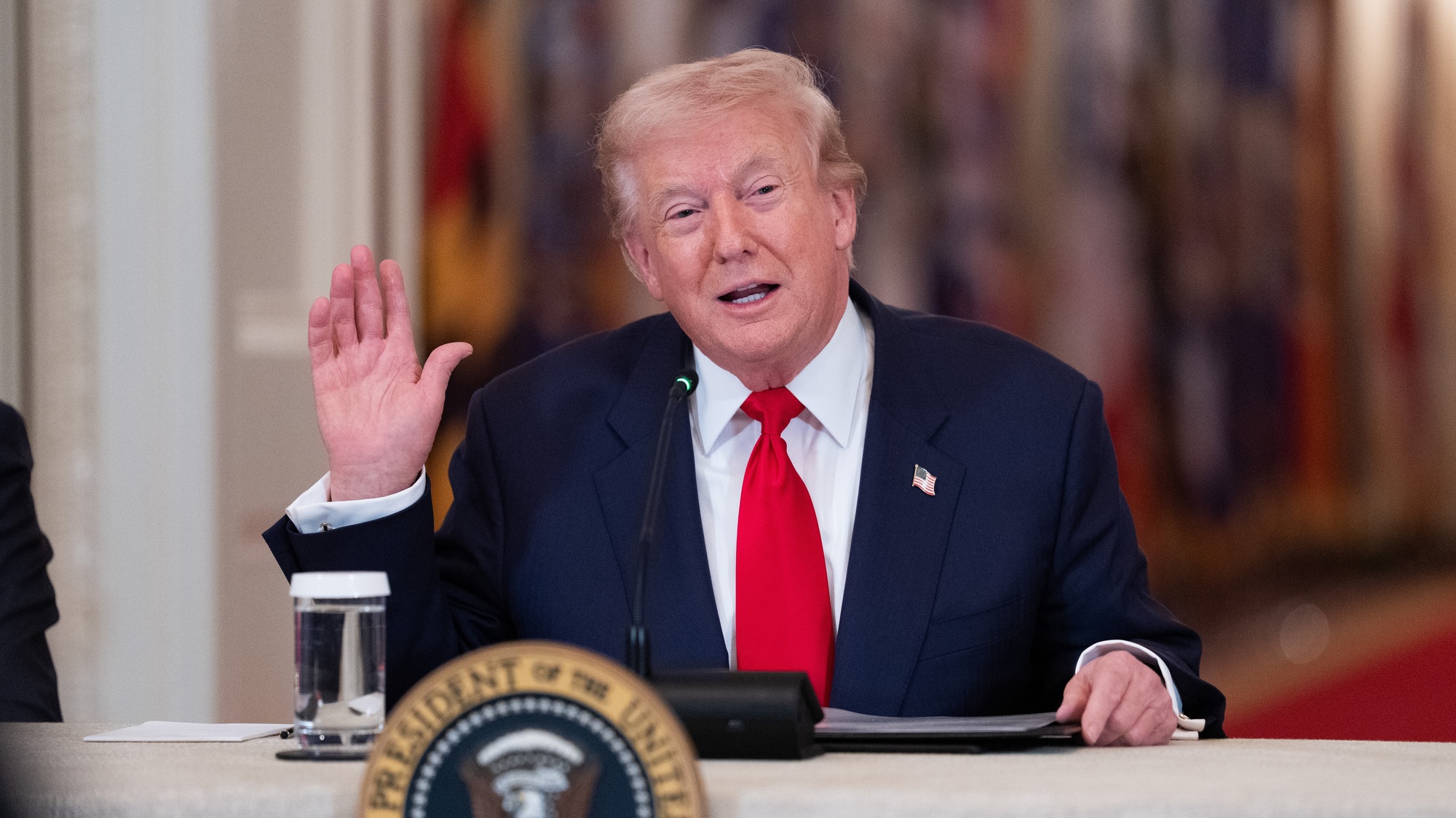
According to Politico, Donald Trump's odd rhetoric about Vladimir Putin and his sharp words toward Zelensky are not necessarily chaos — they are part of a long-term geopolitical calculation. The outlet, citing unnamed U.S. officials, claims that the goal is to push Russia toward economic recovery and thereby weaken China's position in global competition.
“This is an adventure — and the Ukrainians are concerned — but it underscores the administration's belief that the greatest geopolitical threat to the United States and the West is China, not Putin's Russia.”
— Politico (article, citing unnamed officials)
Why the U.S. might think this way — a rational view
The key logic is simple: for some American strategists the main long-term competitor is Beijing. In this view, a temporary thaw in relations with Moscow could create economic levers against China. This thinking is based on shifting resources and allied influence — but it ignores the human and security consequences for Ukraine.
“Finding a way to draw closer to Russia could create a different balance of power with China, which could be very, very advantageous.”
— Unnamed Trump administration official
What this means for Ukraine
First, there is a real risk that Ukrainian security will be used as a “trading chip” in a broader great-power game. Second, even if the measures are economic incentives for Moscow, this could lead to reduced pressure on the Russian Federation and to delays or cuts in deliveries of defensive aid.
Analysts also note an additional factor: escalation in the Middle East reduces the West's political capital and attention toward Ukraine, a point confirmed by the Financial Times in its piece on the difficulties of the diplomatic process. Media analysis by LIGA.net emphasizes that the consequences for Ukraine may be deeper than they appear: from spikes in energy prices to reduced access to weapons, while at the same time new markets may open up for Ukraine’s defense industry.
“We've already had such attempts in the past, and they led to nothing.”
— Unnamed Ukrainian official
Which scenarios are most realistic and what Kyiv should do
1) Rapprochement with Russia as part of a plan against China — unlikely in the short term while Putin and Xi remain in power. But even the possibility requires Kyiv to prepare for diplomatic risks and the legal protection of its interests.
2) Prolonging negotiations and reducing pressure on Moscow — the most realistic option in the medium term. In this scenario Ukraine should strengthen its own defensive resilience and seek temporary guarantees from various partners.
3) Global shifts due to the crisis in the Middle East may both weaken and create new opportunities for Kyiv — from reduced weapons supplies to the opening of new export or technological niches.
Conclusion — cool heads instead of slogans
The point is not to panic, but to understand: if behind the strange rhetoric there is a strategic calculation, it concerns Ukraine directly. Partners must turn declarations into concrete, legally binding guarantees; Kyiv should diversify its diplomatic and defense ties and accelerate its own industrial resilience. The question remains open: can our partners place Ukraine's security interests above short-term global calculations?



