Trump: "Iran is about to capitulate" — Tehran's response and the risks to regional security
During talks with G7 leaders, Donald Trump declared a swift "victory" over Iran — rhetoric that coincided with Iranian strikes on military targets. Why this matters for regional security and what it could potentially mean for Ukraine.

By Tetiana Suchkova-Ladik
March 13, 2026 · 2 min read
What happened
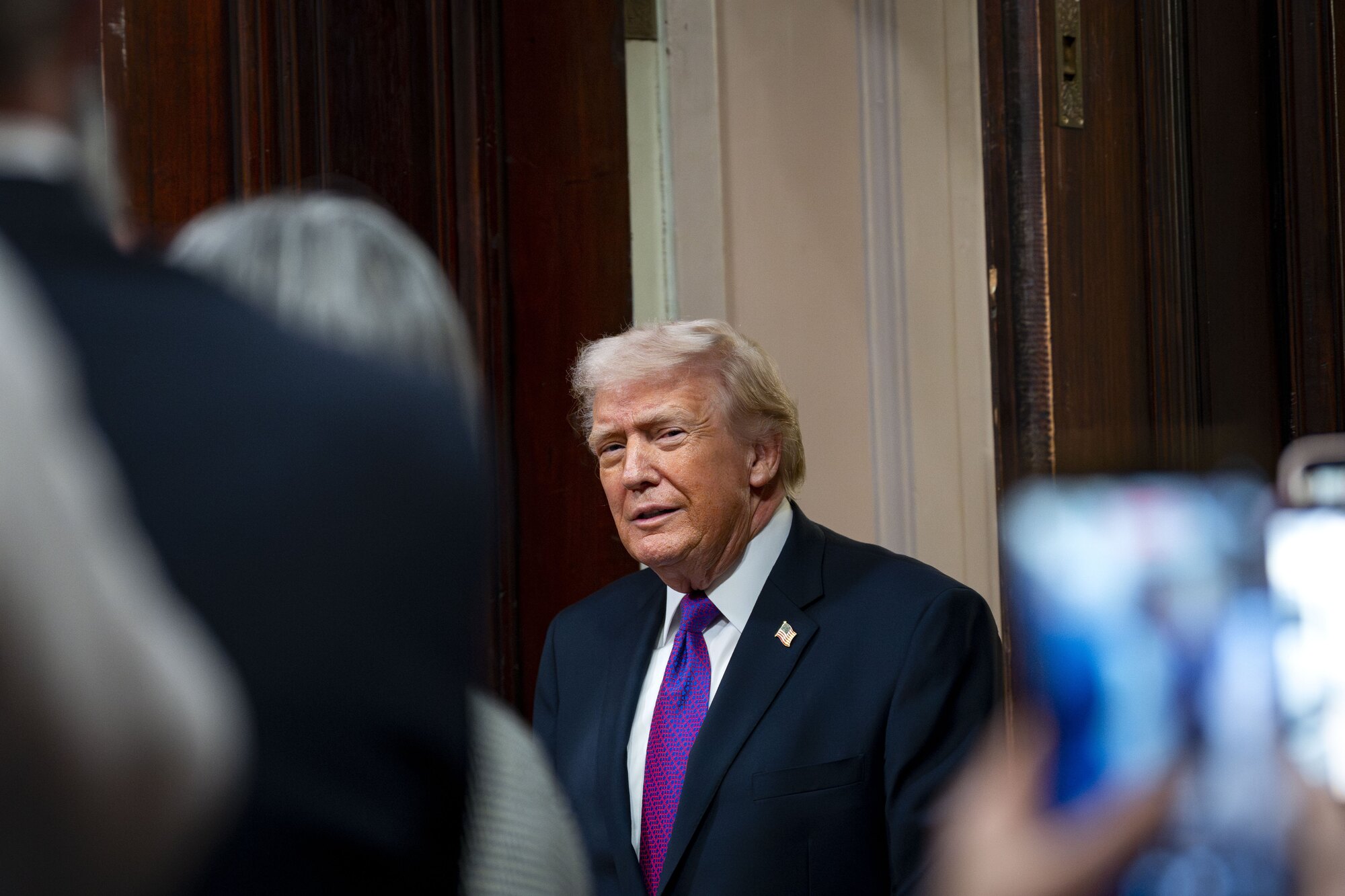
On March 11, during an online call with G7 leaders, U.S. President Donald Trump said that Iran was allegedly "about to capitulate," boasting about the results of Operation "Epic Fury." According to Axios, three unnamed officials from participating countries reported this.
Two days later, on March 13, Iranian forces reported a series of attacks: rocket launches that crossed Turkish airspace and drone strikes on an Israeli military base in the Beersheba area. Turkish media wrote about rockets striking in the direction of the Incirlik air base, and the Turkish Defense Ministry reported that air defenses were active and neutralized some of the threats (sources: Al Jazeera, Turkish media).
What Trump said and why it matters
"Nobody knows who the leader is, so no one can declare a capitulation"
— Donald Trump, U.S. President (quote according to Axios)
According to Axios interlocutors, Trump also called the new ayatollah, Mojtaba Khamenei, "a weakling" and said the operation should end quickly to avoid a wider war in the future. At the same time, interlocutors noted some uncertainty in Trump's answers about the operation's ultimate objectives and timelines.
Iran's response
"The attacks will continue in the coming hours along with other strikes on Israeli military targets"
— Iranian military statement (cited by Al Jazeera)
Iran officially confirmed strikes on Israeli targets and announced further attacks. This sequence of actions indicates Tehran's readiness to respond to external pressure not only with diplomacy but with military strikes.
G7 leaders' reaction and risks to trade
G7 leaders, according to interlocutors, urged speeding up the conclusion of the operation and expressed concern about the growing economic consequences of the conflict, in particular regarding security in the Strait of Hormuz. For global trade and energy this is a key signal: rising tensions could complicate supply routes and push up energy prices.
What this means for Ukraine
Ukraine is not a party to the conflict, but the consequences of a Middle East escalation could be felt here as well. First, higher energy prices and logistics risks will hit the economy and defense spending. Second, partners' attention being diverted could slow diplomatic and military support if escalation risks become systemic.
Analysts emphasize that in major diplomacy quiet agreements matter more than loud statements: guarantees are now needed that words about "finishing the operation" will be turned into clear plans and mechanisms to deter further escalation (source: LIGA.net).
Conclusion
Washington's rhetoric and Tehran's moves show that the conflict in the Middle East can quickly gain momentum. For Ukraine this means two tasks: monitoring economic risks and working with partners to ensure support remains a priority even amid new international challenges. Whether diplomatic resources will be sufficient to turn loud statements into a controlled end to the crisis is the key question in the coming weeks.



