Trump Hints at Operations in Mexico: What It Means for Regional Security
In an interview with Fox News, Donald Trump accused drug cartels of running Mexico, praised operations against the Maduro regime, and did not rule out ground operations — we analyze why these statements matter not only for the United States and Latin America.

By Tetiana Suchkova-Ladik
January 9, 2026 · 2 min read
What happened
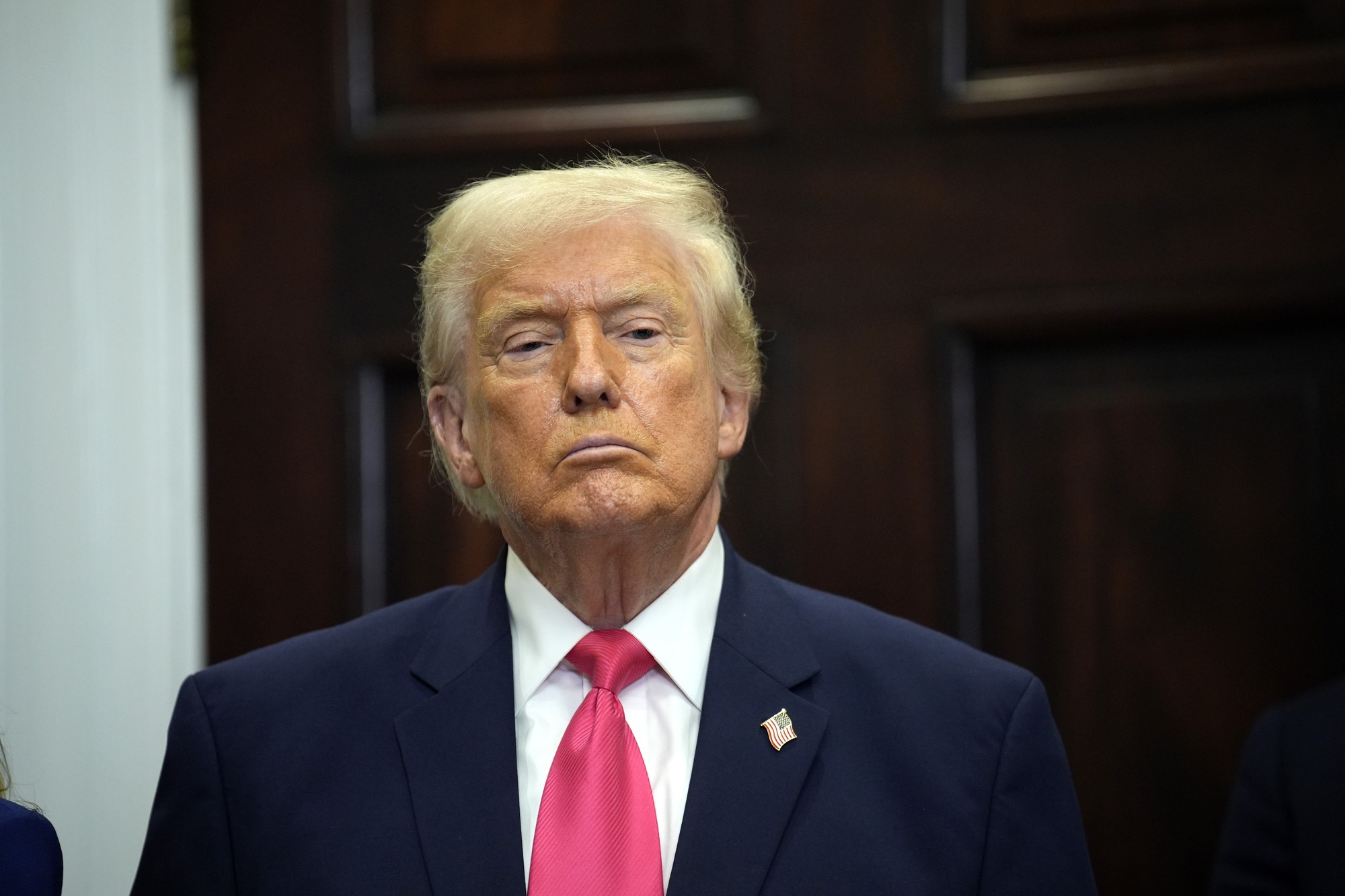
In a conversation with Fox News, Donald Trump said he intends to "move from sea to land" in the fight against drug trafficking and hinted that the next targets could be countries on the U.S. border, notably Mexico. He also asserted that "the cartels control Mexico," and repeated figures that in the interview he linked to the number of deaths in the U.S. due to the influence of drug cartels — 250,000–300,000 per year.
"The cartels control Mexico, it's very sad to watch this and to see what has happened to that country"
— Donald Trump, interview with Fox News
In addition, Trump spoke about, according to him, successful operations in Venezuela and claimed that Nicolás Maduro had been captured and taken to the United States. He described the actions of the military who allegedly took part in these operations as a "fantastic group."
"The house is located in the middle of a fortress... and we went right into the center of the fortress... General Razin Kane and Pete Hegseth were just wonderful"
— Donald Trump, interview with Fox News
Context and fact-checking
These claims are mostly statements by a single politician. Some of the figures (for example, about 97% of interceptions at sea or about 250–300 thousand deaths annually) were not accompanied by sources in the interview; at the time of the statement independent-source confirmation is lacking or conflicting. There are also no confirmations from independent international agencies regarding the mass capture and removal of Maduro from Venezuela.
Therefore it is important to separate facts (statements in the interview) from verified data. Journalists and analysts note that political statements of this level often serve both as domestic political rhetoric and as a mechanism of pressure on other capitals.
Potential consequences for Mexico and the region
If one interprets the words as a signal of possible external operations, this has several implications: diplomatic escalation with Mexico; undermining norms of sovereignty and international law in the event of unilateral strikes on foreign territory; and the risk of escalation of violence near the U.S. borders. Even if the matter concerns diplomatic or intelligence pressure, security solution providers, human rights organizations, and neighboring countries will respond.
Why this matters for Ukraine
Rhetoric about "extraterritorial operations" has a global precedent-setting effect. For Ukraine two things are important: first, how great powers shape the norm of using force abroad; second, how international support and security priorities change. Such rhetoric can affect the allocation of allies' priorities, logistics, and Western media attention to other crises.
What to expect next
The most likely scenarios are diplomatic protests from Mexico, demands for additional evidence from Congress or international organizations, and predominantly political use of the statements within the U.S. A real military operation on the territory of a sovereign state would require significantly more grounds, coordination, and legal justification than verbal hints on air.
The final question: whether these words will turn into practical steps depends on the evidentiary base, the reaction of international partners, and the willingness of the regional governments themselves to cooperate in combating drug trafficking without undermining sovereignty.



