Trump unhappy with Iran’s new Supreme Leader — what it means for Ukraine
The U.S. president reacted critically to the selection of Mojtaba Khamenei. We explain why Washington's reaction matters now and how it affects Kyiv's security.

By Tetiana Suchkova-Ladik
March 9, 2026 · 2 min read
In brief: reaction and context
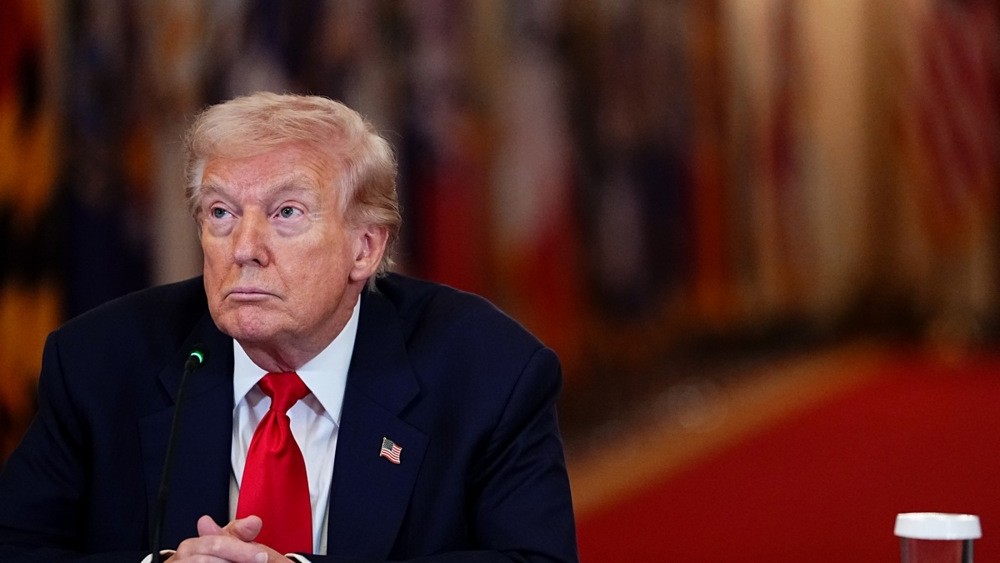
U.S. President Donald Trump, in comments to the New York Post, reacted negatively to the appointment of Mojtaba Khamenei as supreme leader of Iran. The interview is notable for its restraint — Trump did not repeat his earlier explicit threat against a possible successor, but made it clear that his attitude toward the new leader is negative.
"I'm not going to tell you. I'm not happy with him"
— Donald Trump, U.S. President (interview with the New York Post)
Who is Mojtaba Khamenei and why it matters
According to reports, the new head of the regime is regarded as a hardliner and has close ties to the Islamic Revolutionary Guard Corps (IRGC) — the main security pillar of the Iranian regime. Media say his close relatives were killed in an airstrike on February 28, which coincided with the start of a U.S.-Israeli operation against Iranian positions.
What it means for the region and for Ukraine
The development has a number of practical consequences. First, the selection of a hardline leader raises the risk of escalation and the export of threats — in particular strike drones. Second, even rhetorical pressure from Washington creates additional uncertainty for allies in the region, who need quick decisions on strengthening their defenses.
For Ukraine this is already being felt: according to LIGA.net, Kyiv has received 11 requests from European and Middle Eastern states and the U.S. for help in countering Iranian strike drones, and has also sent interceptors and a team of experts to protect U.S. bases in Jordan. Analysts also note that regional instability is affecting global energy markets — here it has already been reflected in fuel prices.
How to read Trump's reaction
The rhetoric of leaders shapes the expectations of allies and opponents. Two points are important here: first, the critical statement by the U.S. president is a signal of concern; second, the absence of a repeated direct threat indicates caution in words, possibly a pragmatic reassessment of next steps. Western media and expert circles lean toward the view that the key now is not words but real actions and coordination among partners.
Conclusion
Washington's reaction to the selection of the new Iranian leader underscores that the international situation remains volatile, and allies' security needs are practical and immediate. Whether partners will turn rhetoric into concrete measures — strengthening air defenses, intelligence sharing, and supplying counter-drone systems — is now the key question for the security of Ukraine and its partners.



