Trump Announces Full Blockade of Venezuelan Oil Tankers — Geopolitics, Energy and Risks of Escalation
The U.S. president ordered the blocking of tankers under sanctions that enter or leave Venezuela. This is not just a move against the Maduro regime — such actions change the rules of the game for global energy and maritime security.

By Tetiana Suchkova-Ladik
December 17, 2025 · 2 min read
Why this matters
The announcement is more than a loud statement on social media: it opens a new phase of pressure on Caracas and at the same time increases tension in the maritime space where the interests of the United States, its allies and countries supporting the Maduro regime intersect. For the reader this means two obvious consequences: an impact on global oil prices and a strengthening of the practice of forcibly seizing assets outside judicial procedures.
What was announced
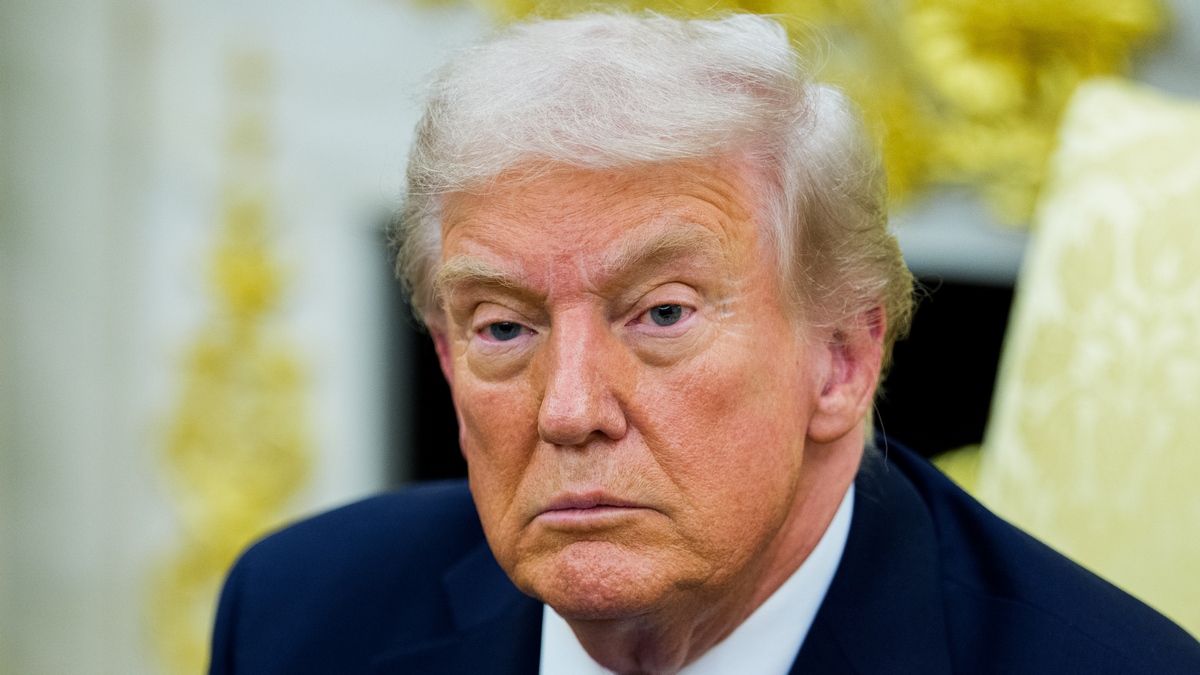
President Donald Trump said in a post on Truth Social that a full blockade of all sanctioned oil tankers entering or leaving Venezuelan ports will be imposed until, in his view, American assets are returned.
"Venezuela has been encircled on all sides by naval forces of an unprecedented scale, something never before seen in the history of South America. And this pressure will only increase until they return to the United States all the oil, land and other assets they previously stole from us."
— Donald Trump, President of the United States (post on Truth Social)
Context and facts
On 24 November, Washington officially signaled a line of hard pressure on Caracas, designating Maduro and his circle as part of the threat, according to the administration's latest statements. Reuters reported that after incidents involving the seizure of tankers, the United States may take punitive measures against more than 30 vessels linked to oil trade with Venezuela. This is not an isolated step — rather a series of measures intended to exert economic and political pressure.
Consequences for international security and the energy market
First, a blockade of tankers raises the risk of maritime incidents and legal disputes over freedom of navigation. Second, markets react to such signals with increased volatility: even export restrictions by a single country can affect fuel prices in Europe and supply lines important for Ukraine.
Third, the precedent of forced restrictions outside protracted legal processes could become an instrument of pressure in other regions as well, affecting international investment and confidence in maritime transport.
What international sources say
According to Reuters, U.S. measures have already affected at least dozens of tankers in the supply chain. Analysts point out that such actions require closer coordination with partners to avoid escalation and legal challenges.
Conclusion
The decision to impose a blockade is an instrument of pressure that can have a rapid effect but also carries high side risks: legal disputes, maritime conflicts and spikes in energy prices. For Ukraine, it is a signal: geopolitical maneuvers far across the ocean can quickly echo on the energy and security front with consequences closer to home. Whether this campaign will become an effective mechanism for returning assets depends on the United States' ability to secure the support of allies and on how well the international legal system withstands the pressure of practical measures.



