Trump supported a bipartisan sanctions package against Russia — what it means for funding the war
Senator Lindsey Graham said the president gave a "green light," and a Senate vote could be scheduled as early as next week. We break down how these sanctions will hit the Kremlin's revenues and what this means for Ukraine.

By Tetiana Suchkova-Ladik
January 8, 2026 · 2 min read
What happened
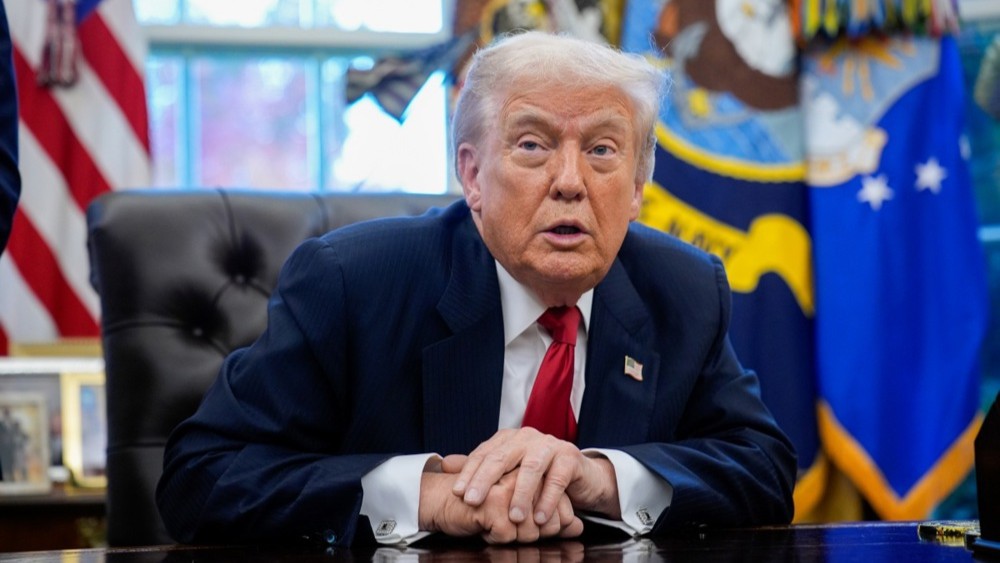
According to Republican senator Lindsey Graham, President Donald Trump has backed a bipartisan bill imposing sanctions on Russia. Graham hopes for a decisive bipartisan vote, possibly as early as next week. In December, an initiative was introduced in the Senate that envisages sanctions for purchasing or facilitating the import of oil and petroleum products from Russia.
"After a very productive meeting today with President Trump on a number of issues, he gave the green light to the bipartisan sanctions bill against Russia that I have been working on for months with Senator Blumenthal and many others"
— Lindsey Graham, Republican senator
What the initiative entails
In short: the bill puts pressure not only on Russia itself but also on the countries or companies that buy its oil. According to Graham, the measure gives the president tools for "punitive" actions against buyers of expensive or cheap Russian oil — in particular he named China, India and Brazil as key markets. The mechanics of the bill are designed to limit the Kremlin's revenues from energy exports that are used to finance the war.
Why this matters for Ukraine
If the sanctions are enacted and work effectively, they could reduce the flow of funds fueling Russia's war machine. President Volodymyr Zelensky has repeatedly stressed the need to increase economic pressure on Russia — the logic is simple: fewer revenues = fewer resources to continue the aggression. For Ukraine, this means strengthening external pressure to complement military and diplomatic measures.
Political dynamics and risks
Presidential support increases the chances of the bill moving quickly, but it does not remove the challenges. First, bipartisan approval is needed in both the Senate and the House of Representatives; second, by imposing sanctions on buyers of energy, the U.S. risks straining relations with major economies and facing evasion through intermediaries. Effective enforcement remains a pressing issue — without international coordination, the impact will be weaker.
What's next
If the Senate approves the initiative in the coming days, the next step is a vote in the House of Representatives and the president's signature. For Ukraine, it is important that political statements turn into concrete, enforceable measures with control mechanisms and international coordination.
Key takeaway: presidential support makes the bill more realistic, but the real hit to the Kremlin's finances will depend on sanction compliance and partners' willingness to take political and economic steps alongside the U.S.



