Trump after strike on Venezuela: rhetoric against Mexico raises regional risks
An interview on Fox News and a CBS report about strikes on Venezuela converged on a single claim — harsh statements about Mexico. We examine what consequences this has for regional security and why it matters for Ukraine as well.

By Tetiana Suchkova-Ladik
January 3, 2026 · 2 min read
What Trump said
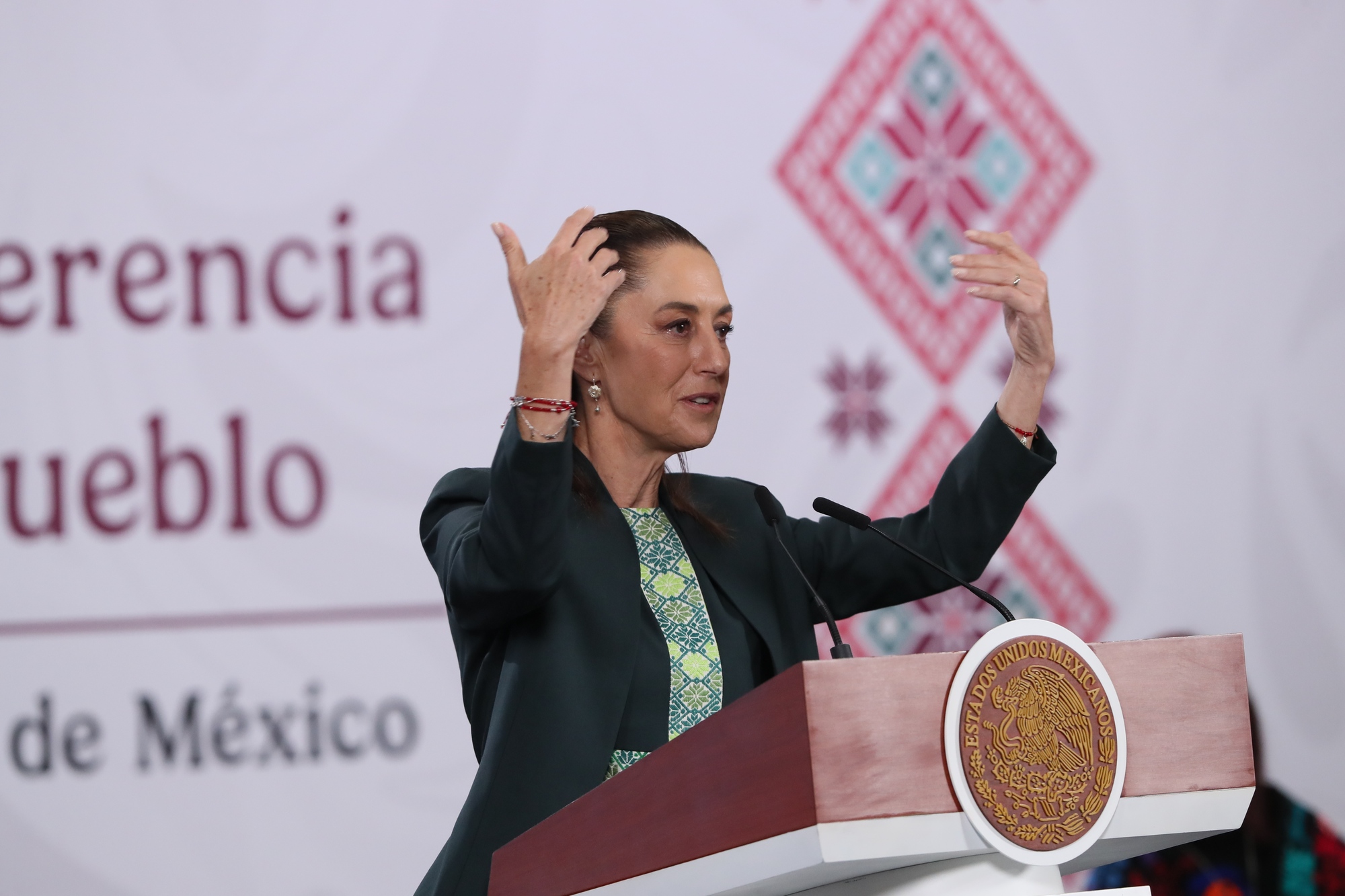
In an interview with Fox News, Donald Trump said that "Mexico is run by the cartels" and that "something has to be done" about the country. This is a direct criticism of President Claudia Sheinbaum and an assessment of the drug-trafficking situation which, according to Trump, has led to significant losses in the US.
"She's a nice woman, but she doesn't run Mexico. Mexico is run by the cartels.. So something has to be done about Mexico"
— Donald Trump, interview with Fox News
Why this matters now
The American leader's remarks came against reports of events in Venezuela: CBS News reported airstrikes on Caracas and partial power outages, as well as claims regarding the kidnapping of Nicolás Maduro. Such a combination of rhetoric and operational reports can raise tensions in the region and affect diplomatic mechanisms, migration, and security cooperation.
What this means for the region
When a leading politician links the problem of organized crime to the legitimacy of another country's government, it:
- increases pressure on US–Mexico bilateral relations;
- creates a risk of escalation in dialogues over border security and joint operations;
- may serve as a signal to other regional actors who interpret such statements as a green light for tougher actions.
Facts and sources
Information about Trump's remarks — from the Fox News broadcast. Reports about incidents in Venezuela and possible strikes — from CBS News publications. At the time of the statements about airstrikes and Maduro's detention, central U.S. agencies had not provided broad public explanations regarding U.S. involvement in specific operations.
Security analysts point out that such rhetoric has practical consequences regardless of whether actual combat operations take place: it changes the expectations of partners and adversaries, affects information operations, and can accelerate assessments of options for coordination or countermeasures.
Conclusion
Rhetoric about "something has to be done" easily turns into political pressure and — under certain conditions — into operational steps. An important lesson for Ukraine: when major players raise the tone on security issues, partners must translate statements into transparent, legally grounded decisions and coordination. Otherwise regional instability increases, and the consequences are felt far beyond Latin America.



