Trump on the 'candidates' for Iran's leader — what it means for regional security and for Ukraine
The US president said he has several potential "good leaders" for Iran and is reportedly acting to ensure they survive during an operation. This is not just rhetoric — such statements change the risks of escalation in the Middle East and have direct consequences for global markets and security, including Ukraine's interests.

By Tetiana Suchkova-Ladik
March 6, 2026 · 2 min read
What happened
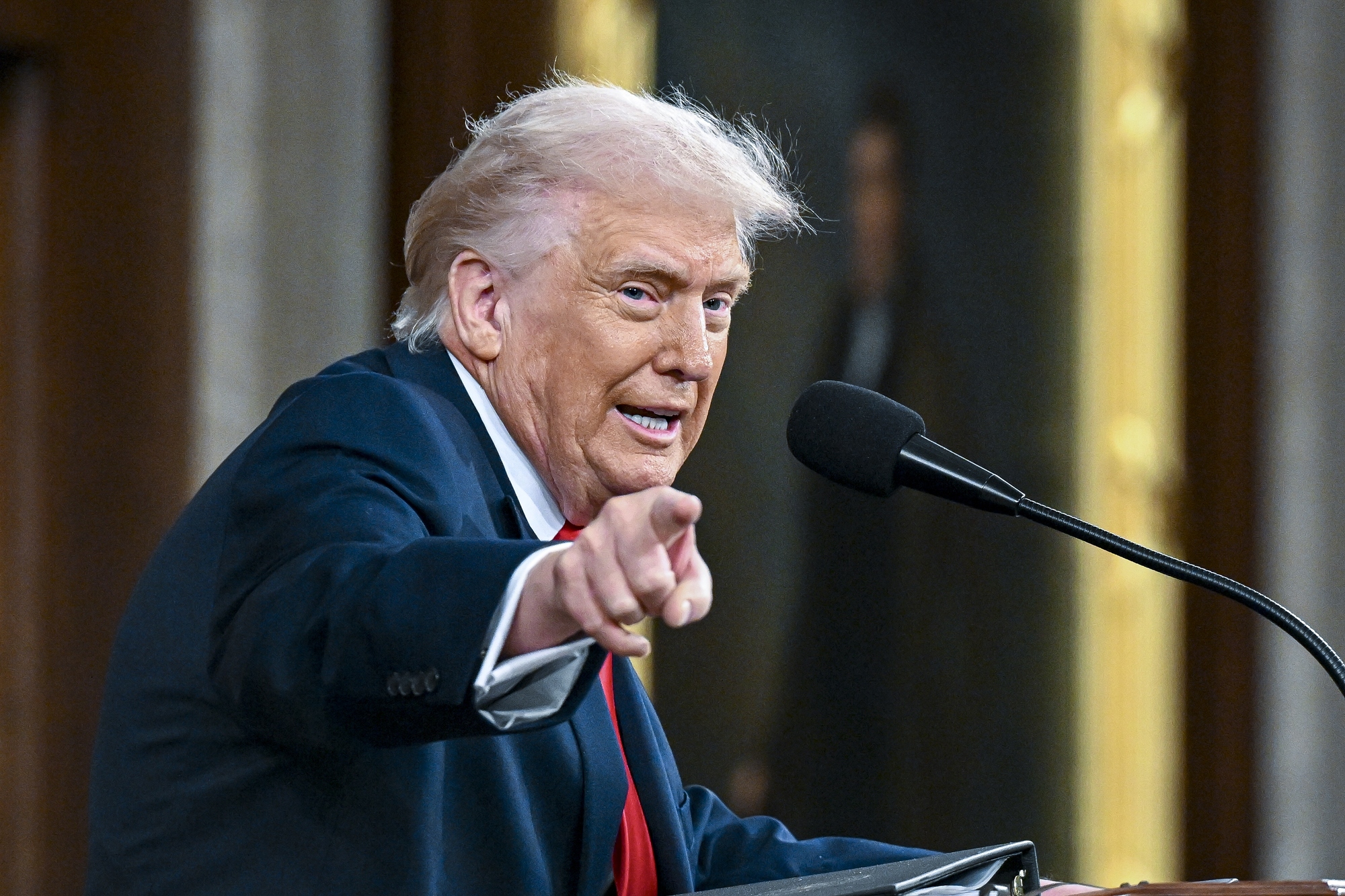
In an interview with NBC News, Donald Trump said he wants to achieve a "cleansing" of Iran's leadership structure and has several people who, in his view, could become a "good leader." He added that the US is "taking steps" to keep those people alive during the military operation.
"We want to go in and clean it all out. We don't need someone who will be rebuilding everything over 10 years"
— Donald Trump, President of the United States (NBC News interview)
What the media report — and the questions this raises
According to ABC News journalist Jonathan Karl, who cites a conversation with the president, several people the US had considered as possible successors were reportedly killed during strikes on February 28. These reports are significant, but in many cases require additional verification by independent sources.
Axios reported strikes on the council that would elect the next Supreme Leader of Iran. If confirmed, such information would indicate attempts to influence not only infrastructure but also the political vertical — which increases the risk of unpredictable consequences.
Why it matters — concise and to the point
First, public statements about a list of "candidates" to replace leadership are not just internal rhetoric: they change the behavior of actors in the region and increase the likelihood of escalation.
Second, strikes on structures related to the selection of a leader turn succession politics into an element of military strategy — which complicates diplomatic de-escalation scenarios.
Impact on Ukraine and global interests
Escalation in the Middle East has several channels of impact on Ukraine's interests: from energy and food prices to diplomatic attention and weapons supplies. Analysts note that prolonged instability can distract partners, slow deliveries of critical systems, and create new lines of political competition among allies.
What to expect next
While official statements and media reports intersect, it is important to set aside emotions and assess the facts. Partners need to consolidate information, and Ukraine should emphasize protecting its own interests in dialogue with allies: from energy security to ensuring the resilience of agricultural exports.
Experts warn that such operations often have unpredictable consequences, and the real risks of escalation will become clearer in the coming weeks. Now the ball is in the partners' court — will declarations turn into concrete measures that reduce risks for the region and for Ukraine?
- February 28: reports of strikes that damaged facilities linked to Iran's top leadership (according to open sources).
- March 2: ABC News — Jonathan Karl reported the deaths of some people the US had considered possible candidates (requires independent verification).
- March 3: Axios reported a strike on the council that could have been choosing the next Supreme Leader (additional verification as needed).



