Trump on Putin: "More Useful" — If He Ends the War. What It Means for Ukraine
The U.S. president, after an hour-long conversation with Putin, called ending the war in Ukraine "more beneficial" for Russia. We analyze why these words matter now and what risks they pose for Ukraine's position.

By Tetiana Suchkova-Ladik
March 10, 2026 · 2 min read
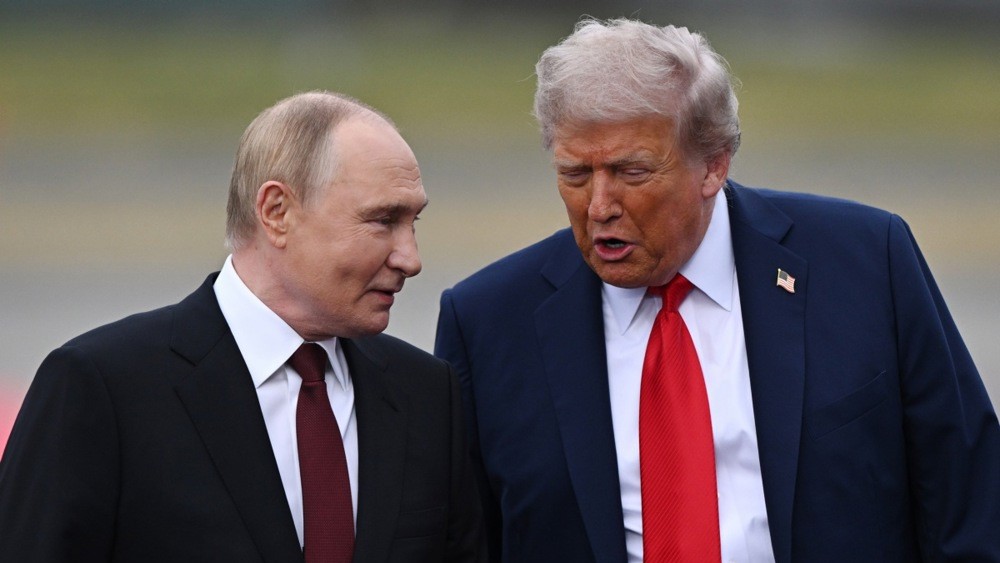
In high diplomacy, quiet agreements matter more than loud statements
Despite the emotional wording, the key to understanding this news is in the consequences, not the words themselves. Donald Trump's statement that Vladimir Putin “would be more useful” if he ended the war with Ukraine draws attention because it was voiced by the U.S. president after an hour-long conversation with the Kremlin leader. This may signal new diplomatic searches or risks of prematurely removing leverage.
About the conversation: the facts
Trump said the conversation with Putin lasted about an hour and took place at the initiative of the United States — information also confirmed by the Kremlin press service. The meeting raised issues of Ukraine and the Middle East. According to Reuters, the U.S. president also said he had decided to lift “certain” sanctions related to oil trade, although he did not provide specifics.
"I had a very good conversation with President Putin... I said that you could be more useful by ending the war between Ukraine and Russia. That would be more useful."
— Donald Trump, President of the United States (press conference, March 9)
Why this matters for Ukraine
First, when the leader of a major ally speaks about the possibility of “useful” moves by an adversary, it changes the negotiation dynamics and creates expectations of quick agreements. Second, mentions of lifting sanctions, even partially and without transparent guarantees, weaken our leverage — since sanctions are the primary tool of pressure on the Russian Federation. Analysts (including LIGA.net) point to scenarios ranging from a local ceasefire to energy manipulations that would strengthen the Kremlin’s position through rising oil prices.
What else Trump said and what the risks are
Besides Ukraine, Trump noted that Putin “wants to be useful” on Middle East issues and is allegedly “impressed” by the scale of U.S. and Israeli operations against Iran. The linkage of these topics is dangerous because sanctions and energy issues could become bargaining chips in a broader geopolitical package — without clear security guarantees for Ukraine. Experts warn: declarations must be turned into legally binding mechanisms, otherwise the risk of pressure on Ukraine in the name of “quick resolution” only increases.
Consequences and forecast
If words are followed by concrete proposals — for example, a negotiation format or conditions regarding sanctions — Kyiv’s key task will be to control the terms and guarantees. Otherwise, what is “useful” for Russia may prove useful only for its geoeconomic interests. Analysts agree: current talks create both opportunities for de-escalation and the risk of weakening sanctions pressure without compensation for Ukraine.
Now it is up to our partners: will they turn these words into tools that strengthen our security, rather than substitute it with trade agreements that pose a risk to sovereignty?
Sources: Donald Trump press conference (March 9), Kremlin statements, Reuters, LIGA.net.



