Trump threatened to "wipe Iran off the face of the Earth" — risks of escalation and consequences for allies
In an interview with NewsNation, the President of the United States warned of drastic measures in response to a possible assassination attempt. We examine the context, who is driving the escalation, and what this means for regional stability and Ukraine’s interests.

By Tetiana Suchkova-Ladik
January 21, 2026 · 2 min read
Tough rhetoric — why it matters
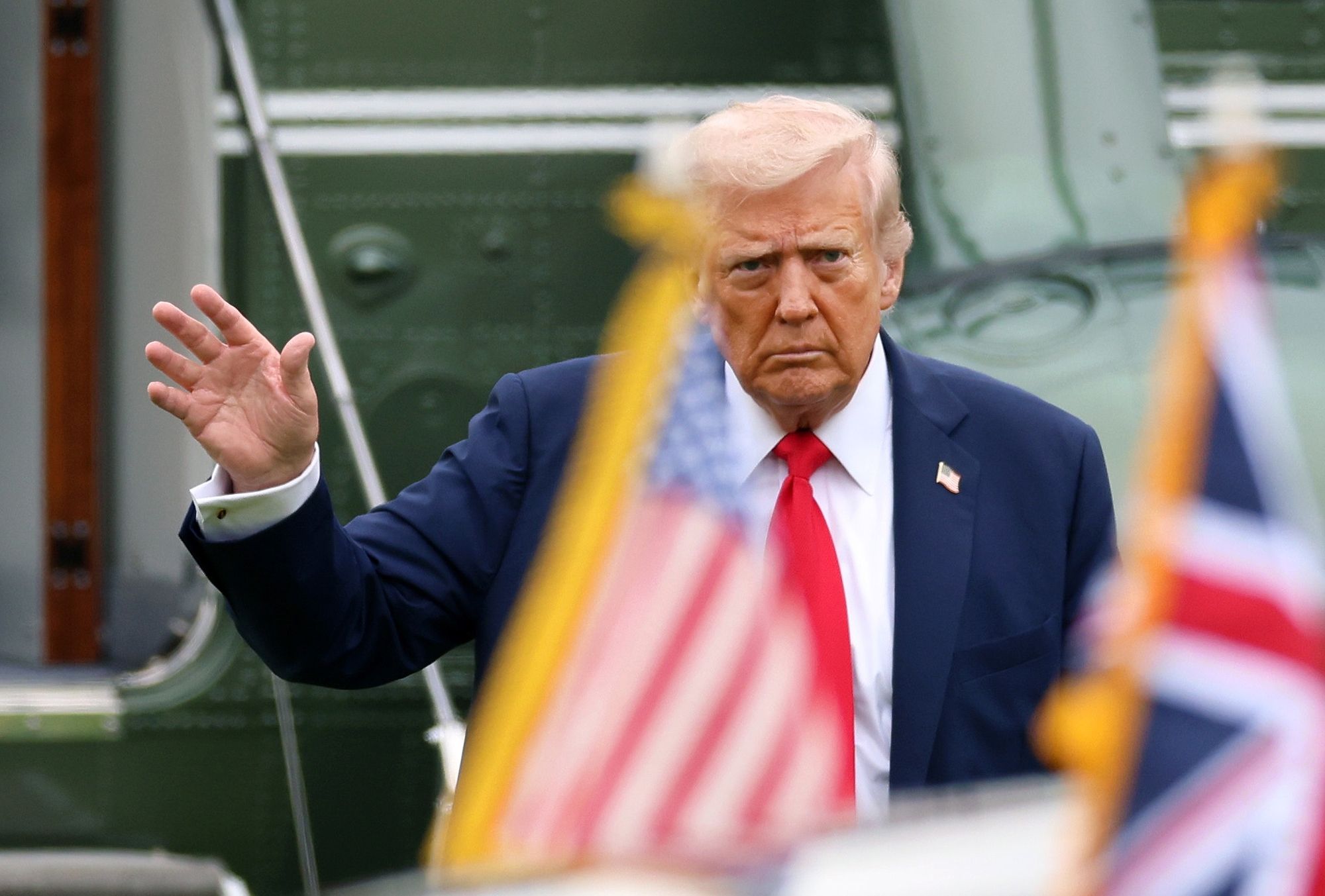
In an interview with NewsNation, Donald Trump said that in the event of an assassination attempt on him Iran would be "wiped off the face of the Earth," and added that he had given "very firm instructions" regarding the response. This rhetoric has not only an image effect — it changes the perception of risks in Washington, Tehran and among allies.
"Whatever happens, they'll blow up the whole country. I would certainly deliver a very strong strike."
— Donald Trump, President of the United States (interview with NewsNation)
"The president must protect the president."
— Donald Trump, President of the United States
Context: protests, sanctions and diplomatic pressure
Trump's rhetoric coincides with a gradual intensification of tensions around Iran: since the end of 2025 the country has seen mass protests, and the United States is imposing new economic measures. In this context every step — from words to sanctions — can strengthen a chain of reactions.
- On January 2, 2026 Trump warned of possible intervention if Iranian authorities used force against protesters.
- On January 12 it was announced that new 25% secondary tariffs would be imposed against those who do business with Iran.
- On January 15 the U.S. Treasury Department imposed sanctions on 18 Iranian individuals and entities.
- Tehran's reaction was harsh: the speaker of parliament promised to give an "unforgettable lesson" in response to a possible attack.
- As Axios reported, at the end of the week Trump leaned toward a strike on Iran, but did not give an order.
"We will give them an unforgettable lesson if they attack the U.S."
— Speaker of the Iranian Parliament (statement after sanctions)
What could happen next and why it matters to Ukraine
When things reach the level of direct large-scale threats, two things become key: strategic constraints and unpredictable side effects. The U.S. may limit itself to targeted strikes or an intensification of sanctions, but the risk of escalation remains. For Ukraine it is important that allies keep their focus on supporting our security, rather than being distracted by a new crisis.
Main constraints: political logistics within the U.S., the need to coordinate with allies, the risk of energy shocks and broad regional destabilization.
Side effects: a deterioration in the Persian Gulf could affect global energy markets, arms supply chains, and the diplomatic capital currently being spent on Ukraine.
Conclusion
Trump's rhetoric raises the risk of an incident, but for now it is more political pressure and a signal of readiness for tough measures. The next step will depend on whether verbal escalation turns into concrete operations — and how U.S. partners respond. For Kyiv, this is another test: whether allies will have the resources and political will to prevent one crisis from distracting them from another.
The question that matters more for long-term stability: will rhetoric turn into allied coordination and a durable strategy, rather than impulsive strikes?



