Trump Cancelled Witkoff and Kushner's Trip to Pakistan — Iran Already Withdrew from Negotiations
Iranian Foreign Minister Araghchi left Islamabad before the American delegation managed to depart. Now the diplomatic stalemate between the US and Iran is cemented by mutual "we're not going anywhere" positions.

By Tetiana Suchkova-Ladik
April 25, 2026 · 2 min read
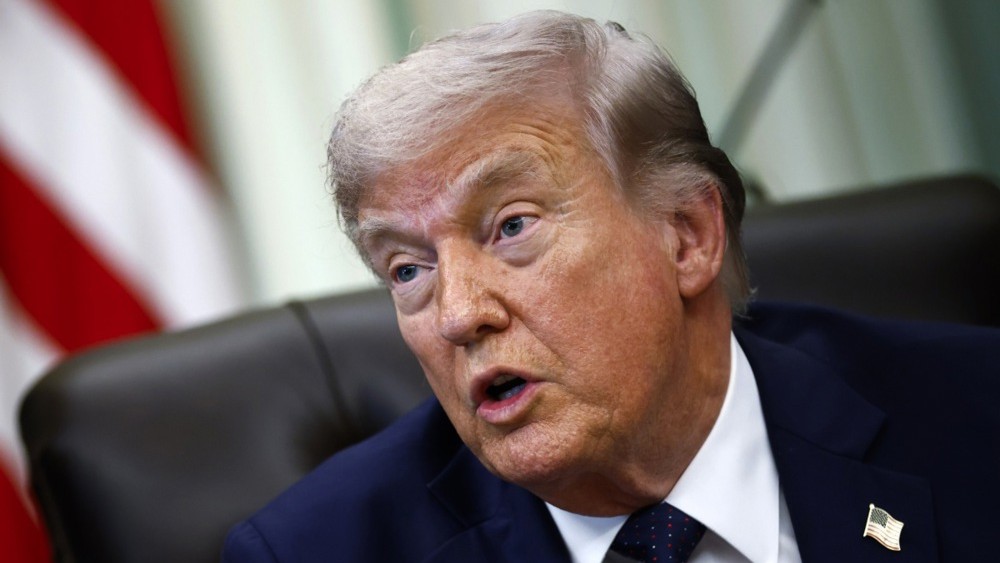
US President Donald Trump on Saturday cancelled a trip by special envoy Steve Witkoff and his son-in-law Jared Kushner to Pakistan — where new negotiations with Iran were supposed to take place. The official reason — "an 18-hour flight".
"I told my people — when they were already preparing to depart — no, you won't be doing an 18-hour flight there,"
— Trump, in a phone interview with Fox News
In a post on Truth Social, he elaborated: "Too much time wasted on travel, too much work! We have all the cards, they have none. If they want to talk — let them call". But the real context is more complex than the rhetoric of omnipotence.
Why it was really cancelled
According to Axios and Al Jazeera, the decision was made approximately an hour after Iran's Foreign Minister Abbas Araghchi left Islamabad. He conveyed Tehran's position on the conditions for ending the war to the Pakistani side — and flew out without waiting for the Americans.
Araghchi commented on the cancellation sparingly, but with subtext: "It remains to be seen whether the US is truly serious about diplomacy".
A deadlock with specific content
Negotiations have reached an impasse not over logistics — but due to incompatible opening positions:
- Iran demands the removal of the American naval blockade of Iranian ports, imposed on April 13, as a precondition for continuing dialogue. Araghchi called the blockade "an act of war".
- The US refuses to lift the blockade until an agreement is reached — and demands the complete, immediate and safe opening of the Strait of Hormuz.
- Tehran insists on a 10-point plan that includes the cancellation of all sanctions and the withdrawal of American forces from the region; Washington has not publicly rejected this outright, but has not accepted it either.
Thus, neither side has budged from its position — only the format of refusing the meeting has changed. Since April 2025, the US and Iran have held at least several rounds of negotiations in Oman and Islamabad, and all were described as "constructive" without any documented commitments.
A mechanism that doesn't exist
The key problem with the current negotiation process is the absence of a verification mechanism. The ceasefire extended by Trump on April 21 contains no independent monitoring structure: neither the US blockade nor Iranian countermeasures formally violate its terms, since the terms are not publicly documented. Both sides continue to act within their own legal frameworks while simultaneously declaring their commitment to peace.
Trump made it clear: the next move is up to Iran. Tehran made it clear: the next move is up to the US. If neither side backs down on the blockade before the current ceasefire expires, the question is no longer who will call first — but who will resume strikes.



