Trump Pits Greenland Against NATO: What It Means for Europe and Ukraine
In an interview with The New York Times, the U.S. president suggested a choice between control of Greenland and America's role in NATO. We examine why this matters now and what the implications are for Ukraine's security.

By Tetiana Suchkova-Ladik
January 9, 2026 · 2 min read
Briefly
Donald Trump's interview forces a reassessment of the standard paradigm: not only diplomacy and declarations determine the security architecture, but also the desire to control key territories. This is difficult news for Europe — and a direct signal to Ukraine, because this involves a re-evaluation of US guarantees and geostrategic priorities.
What Trump said
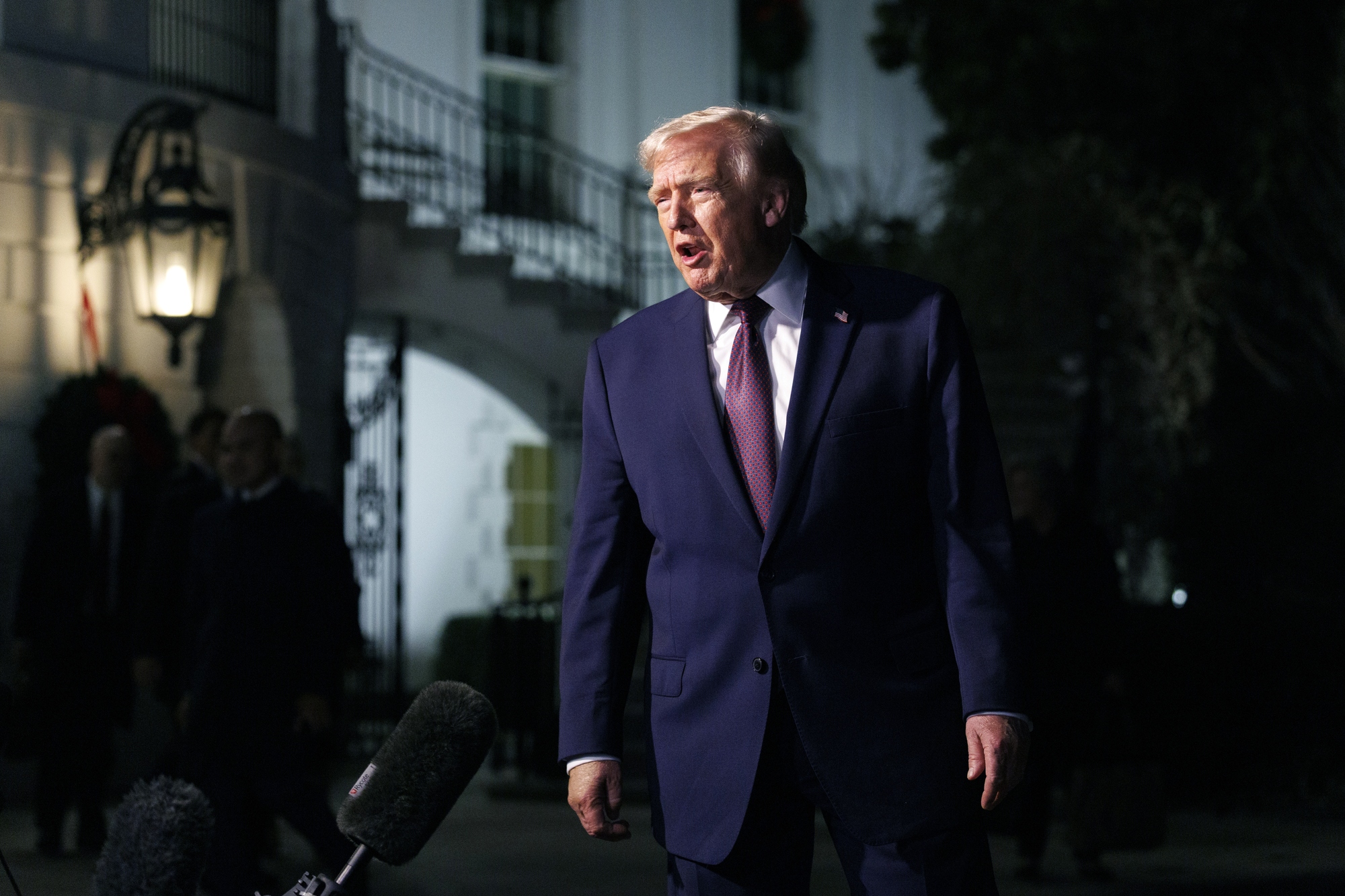
"Because, to me, it's psychologically necessary for success. I think ownership gives you something you can't get when it's a lease or a contract."
— Donald Trump, President of the United States (interview with The New York Times)
Why Greenland matters
According to The Economist and open sources, the status of Greenland is important for several reasons: strategic location in the Arctic (control of routes through polar latitudes), the presence of military infrastructure (including the American base at Thule), as well as the potential of natural resources and new shipping routes. Control over this territory provides not only physical presence but also political influence in the region.
The West's position and real bargaining
The New York Times noted that Trump directly suggested a choice between control over Greenland and preserving the United States' traditional allied roles in NATO. Meanwhile, Politico and other outlets reported scenarios in which the US administration could offer Europe certain guarantees or compromises in exchange for expanding American presence in the Arctic. This is not just rhetoric: according to The Economist, Brussels and Copenhagen are already discussing mechanisms to counter unwelcome initiatives.
What this means for Ukraine
First, it's a test of the reliability of guarantees: if US territorial interests prove to be higher than collective commitments, the EU and Ukraine will have to seek additional forms of security and diversify partners. Second, possible political "exchanges" — where US presence in one region is accompanied by guarantees in another — can become a bargaining tool. For Ukraine, it is important that any guarantees have clear legal and political dimensions and do not remain verbal promises.
Outlook
The expert community notes that such rhetoric pushes European capitals toward faster coordination of Arctic and overall security policy. If the US indeed raises the issue of territorial control, partners have two options — either negotiate transparent frameworks of cooperation, or strengthen their own capabilities. For Ukraine the main conclusion is simple: insist on transparent, signed guarantees and integrate defense cooperation into broader institutional mechanisms.
Conclusion
The decision has not yet been made, but the signal from Washington has prompted a reassessment of the balance of interests. Whether the statements will turn into geopolitical agreements depends on how quickly Europe and its partners can propose alternative, clear, and mutually beneficial formats of cooperation.



