Trump: Ukraine should quickly sit down at the negotiating table — what it means for Kyiv
The President of the United States commented on the trilateral talks in Geneva (17–18 February). We explain why his call matters — and what risks and opportunities the Ukrainian delegation faces.

By Tetiana Suchkova-Ladik
February 17, 2026 · 2 min read
Briefly
The talks in Geneva (17–18 February) drew attention not with loud statements but with the composition of the delegations and the backdrop against which they are taking place. Donald Trump's statement adds political pressure — and poses a question for Kyiv about how to make use of that attention.
What Trump said
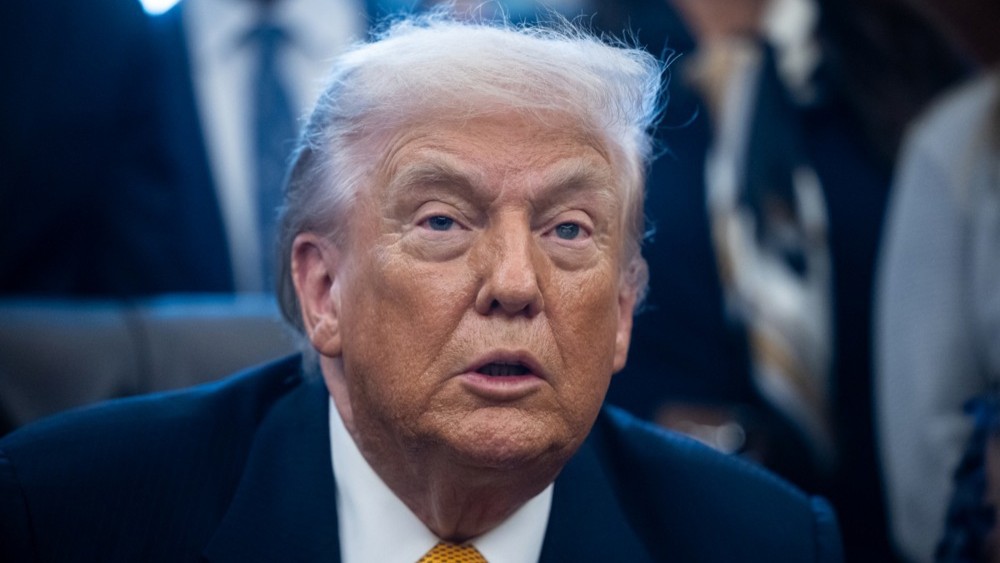
"Well, these are important talks. It'll be very easy. I mean, this... listen, for now it's better for Ukraine to quickly sit down at the negotiating table. That's all I'll tell you. We're in that position"
— Donald Trump, President of the United States
He said the line while speaking to the media on board Air Force One. It's brief but weighty: it expresses a U.S. desire to see diplomatic movement that could change the practical dynamics of the negotiations.
Who is at the table
The new round is scheduled for 17–18 February in Geneva. The Ukrainian delegation departed on 16 February — among them: Budanov, Kyslytsia and Skibytsky. The Russian delegation this time will be led by Putin's aide Medinsky, known for his participation in the Istanbul meetings of 2025 and 2022. Media reports say the talks will also include U.S. special envoy Steve Witkoff and businessman Jared Kushner.
"they'll probably start reading 'some kind of historical pseudo-lectures' again"
— Sibyga, comment on Medinsky's return
Why it matters
In short: Trump's appearance with such an appeal creates a political backdrop — another factor partners will take into account in dialogue about security and compromises. For Kyiv this is both an opportunity and a risk: an opportunity to secure concrete guarantees; a risk — pressure to rapidly agree to decisions that need careful evaluation.
Analysts note that the diplomatic process is shaped not only by leaders' words but also by the preparation of delegations, the maturity of proposals, and the ability to control the information space. Systematic work happening behind the scenes is more important today than loud statements.
Conclusion
Trump's statement is a signal, but not a plan. Now the key is how Kyiv will use the makeup of its delegation and international contacts to turn diplomatic talks into safe and advantageous outcomes. The ball is with the partners: declarations must be converted into concrete mechanisms for guaranteeing security.



