Trump Withdraws Invitation to Canada — What His “Peace Council” Means for the International Order and for Ukraine
Trump’s Peace Council, created in Davos, has proven to be more of an instrument of personal power than a platform for multilateral dialogue. Why this matters for Ukraine — briefly and without alarmism.

By Tetiana Suchkova-Ladik
January 23, 2026 · 2 min read
What happened
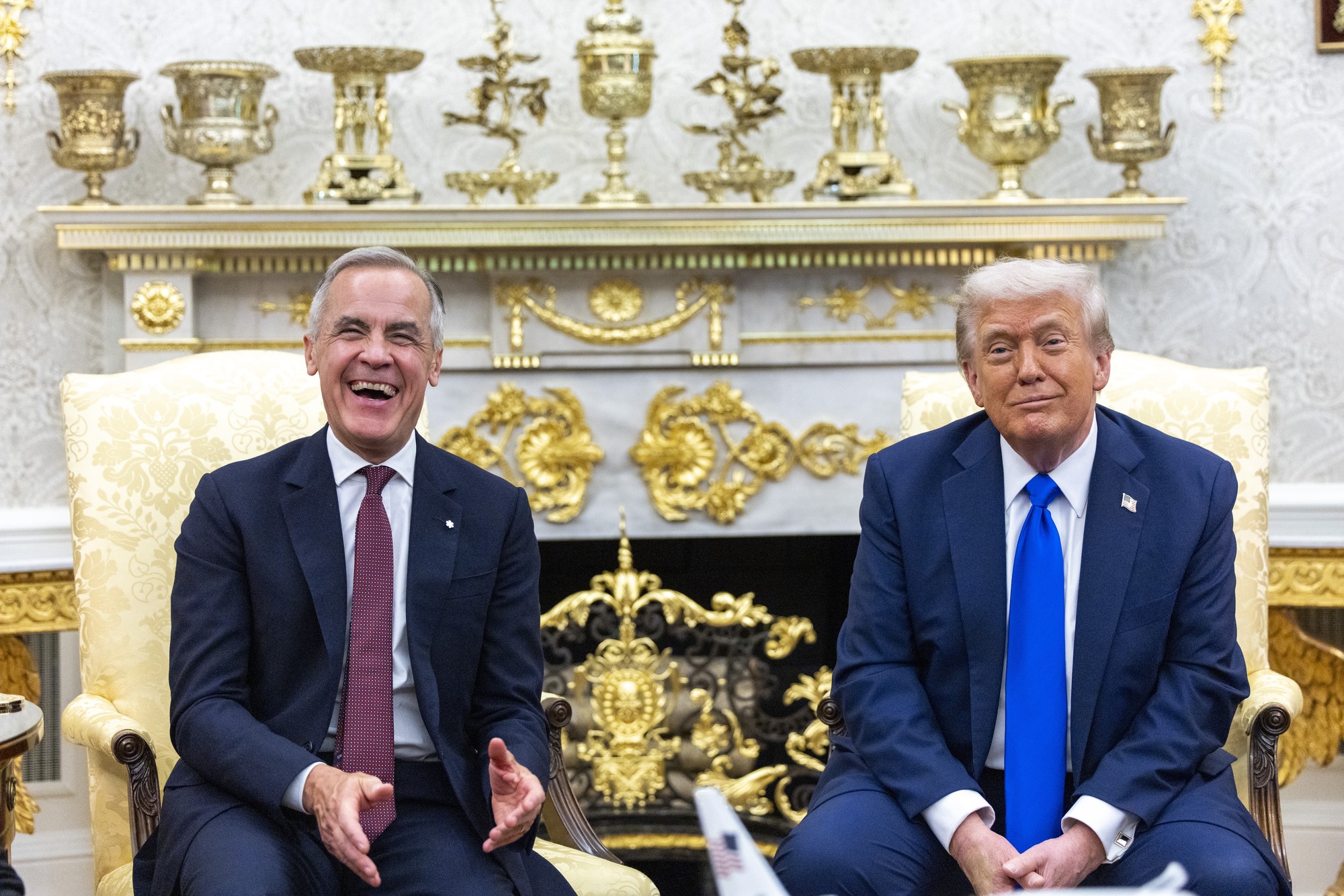
U.S. President Donald Trump has withdrawn an invitation to former governor of the Bank of England and the Bank of Canada Mark Carney to join his newly created "Peace Council," The New York Times reported. The council was unveiled in Davos on January 22, 2026 as a format to oversee a peace agreement between Israel and Hamas in Gaza, but it quickly acquired signs of an institution that could compete with the UN.
Brief context
In a speech at the World Economic Forum in Davos, Mark Carney urged leaders to defend the post‑war international order and spoke out against practices he characterized as authoritarian and exclusionary. Hours later, Trump withdrew the invitation — an official statement criticizing Canada’s participation appeared on his social media.
"Let this letter serve as notice that the Peace Council is withdrawing its invitation for Canada to join the most prestigious council of leaders ever assembled."
— Donald Trump, social media post
Why it matters — a view from Ukraine
First, among the invitees are about fifty leaders, including Ukraine. Second, the way the Council is formed and its charter calls its multilateralism into question: the charter reportedly gives Trump veto power, the ability to appoint and remove members, control of the agenda and even to dissolve the council. For Ukraine, this implies potential risks of instrumentalizing peace processes outside the universal rules of diplomacy.
Money, influence and real motivation
According to reports, the Trump administration insisted on at least $1 billion from states seeking a permanent seat on the Council (information as of January 18, 2026). France and other Western leaders, including Emmanuel Macron, declined to join. This looks like an attempt to turn a diplomatic platform into a pay‑to‑play club of influence — a scenario that undermines the principles of open multilateral dialogue.
What experts say
Analysts note that the emergence of specialized "councils" with highly centralized power is a trend in the instrumentalization of foreign policy. This affects not only Middle East actors but also trust in global institutions on which our security and support depend.
Conclusion — what next?
Trump’s reaction to Carney’s remarks is an example of how personalized structures can quickly be turned into geopolitical instruments. For Ukraine, it is important to monitor not only invitations but the rules of the game: do new formats guarantee transparency, accountability and respect for international norms that protect our interests. The next move is up to partners — declarations must become practical mechanisms, not closed clubs of influence.
Sources: The New York Times; public statements of Davos participants (January 22, 2026).



