Trump acknowledged that Putin may be aiding Iran — how this affects Ukraine's security and energy
In an interview with Fox News, Donald Trump suggested that Moscow may be providing support to Tehran. We examine why this matters for Ukraine — from security risks to implications for the fuel market.

By Tetiana Suchkova-Ladik
March 13, 2026 · 2 min read
What Trump said and why it matters
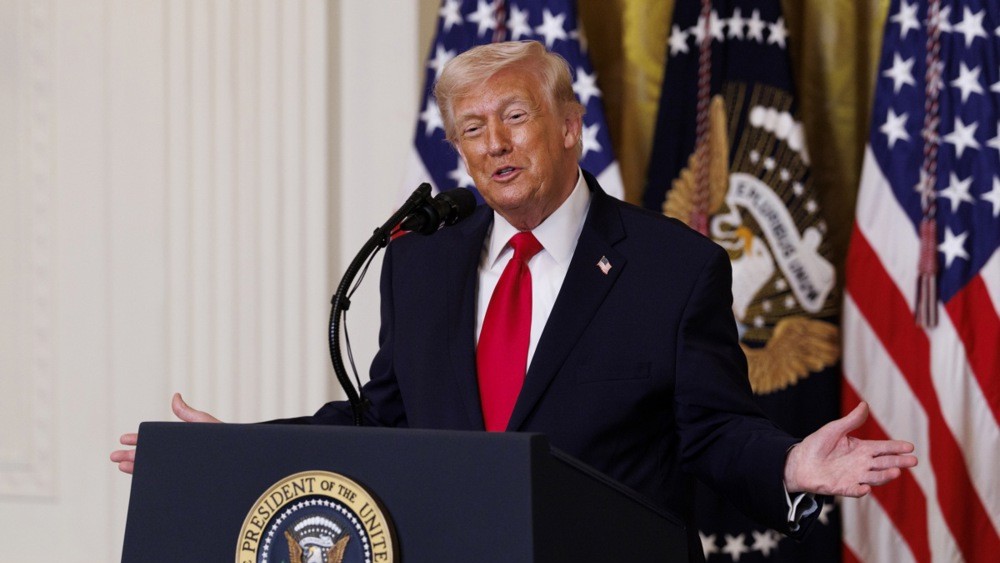
U.S. President Donald Trump, in an interview with Fox News cited by the Associated Press, suggested that Russian leader Vladimir Putin "may be helping a little" Iran. This comment is not just a political remark: it concerns potential transfers of intelligence information and shifts in global security alignments that directly affect Ukraine's interests.
"I think he [Putin], maybe helps them a little, yes, I suppose. And he probably thinks that we are helping Ukraine, right?"
— Donald Trump, President of the United States
Evidence and reactions from Western sources
Leading Western outlets, including The Washington Post, have written about possible transfers from the Kremlin to Tehran: namely an exchange of data on the locations of U.S. military ships and aircraft. At the same time, White House special envoy Steve Witkoff said he had pressed the Russians not to share such information. Moscow denied these claims after a phone call with the U.S. president.
The British defense secretary, media reported, also warned of the Kremlin's "hidden hand" that could bolster Tehran's position in a conflict with the U.S. These are not isolated signals: several capitals are monitoring the situation and publicly expressing concern.
Consequences for Ukraine: security and energy
Security. If Russia is sharing intelligence with Iran, this strengthens Tehran's ability to confront U.S. forces and allies — increasing the risks of escalation in the region and possible diversionary maneuvers that affect how partners allocate resources for Ukraine.
Energy and economy. Military tensions in the region have already affected fuel prices in Ukraine, Ukrainian media (LIGA.net) reported. Separately: on March 13 the U.S. issued a 30‑day license to buy Russian oil and petroleum products that are stuck at sea. Washington says this easing of sanctions will not bring significant financial benefit to Russia; meanwhile President Zelensky warns of potential inflows of about $10 billion to Moscow and their use to purchase arms.
What this means for Ukrainian diplomacy and defense
First, a prompt verification and coordination with partners is needed: allegations of intelligence transfers must be confirmed to determine appropriate deterrent measures. Second, Ukraine should emphasize that international steps — from sanctions to export controls — must not be weakened in ways that would undermine Ukraine's security or accelerate financing of the aggressor.
Conclusion
Trump's comment fits into a broader context: sources and policymakers are warning about possible links between Moscow and Tehran. For Ukraine, the key task is to turn these signals into concrete actions by partners that will protect Ukraine's interests in security and energy. Whether partners can transform suspicions into preventive mechanisms is a question awaiting an answer from diplomacy and intelligence.



