Trump: "There's a good chance" of a deal during meeting with Zelensky — what it means for Ukraine's security
On the eve of the meeting at Mar-a-Lago (December 28), Donald Trump expressed optimism about resolving the war. This is not just rhetoric: that wording shifts the negotiation dynamics and places the task on Kyiv of turning words into concrete guarantees.

By Oleg Bazylewicz
December 27, 2025 · 2 min read
On the statement and its source
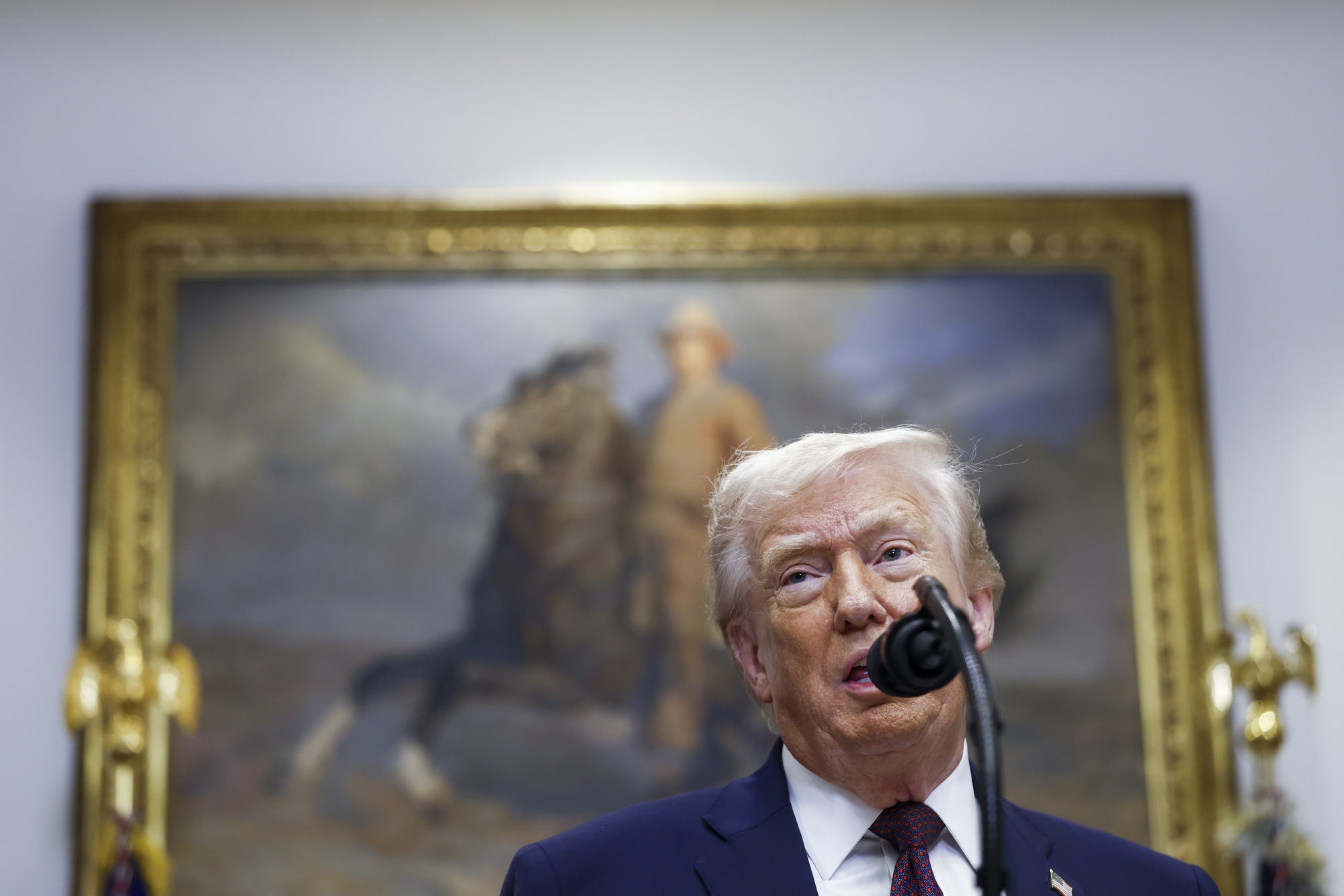
In a conversation with the New York Post, US President Donald Trump said he believes there are "good chances" of reaching a peace agreement during a meeting with President Volodymyr Zelensky at Mar-a-Lago on December 28. He also said he has settled eight conflicts and called this war "the most complicated." These words matter not only as an individual assessment — they shape the expectations of the parties and the international community.
"Well, I think we have a good chance. I think they want to do it now, and I think Russia wants to do it too. But whenever one side wants it, the other one doesn't."
— Donald Trump, President of the United States (comment to the New York Post)
Why this matters for Ukraine
The "I decide" frame is a key element of the statement. When the leader of one of the key countries says that the fate of a plan "depends only on him," it changes the balance of power: the negotiation process can become more personalized rather than collegial. For Ukraine, this means the need to more clearly articulate its red lines and prepare legally binding guarantees, rather than rely on verbal agreements.
What consequences could follow
The likely effects of such a statement can be summarized in several practical conclusions:
1) Diplomatic pressure on Kyiv: if an agreement begins to be framed as a "personal initiative," the risk will increase that external actors will try to accelerate compromises on Ukrainian terms.
2) Role of partners: the EU, NATO and other allies of Ukraine will become more important as guarantors of mechanisms for monitoring and enforcing any agreements.
3) Domestic mobilization: Ukraine needs to strengthen communication with citizens and parliament so that any treaty has legitimacy and is backed by legal guarantees.
What experts advise
Diplomats and analysts emphasize: optimism is useful but not sufficient. Clear provisions are needed on borders, security and mechanisms for monitoring implementation. Without this, the risk that the "agreement" will turn into a declaration remains high.
Conclusion
Trump's statement forces not only Kyiv but also its partners to act more quickly. The key question is whether words will be turned into a structure of guarantees that will protect Ukraine's interests. The answer depends on how firmly the Ukrainian side can lock in its conditions in written mechanisms and secure international support for their implementation.



