Trump urges Zelensky to strike a deal — what it means for Ukraine's security
In comments to Politico, Donald Trump reiterated the claim that Vladimir Putin is supposedly ready for negotiations and voiced dissatisfaction with Zelensky’s stance — we examine why these words matter now and what consequences they could have for Kyiv.

By Tetiana Suchkova-Ladik
March 5, 2026 · 2 min read
In brief
U.S. President Donald Trump told Politico that he expects Volodymyr Zelensky to take steps to conclude a peace agreement and reiterated that, in his view, Russian President Vladimir Putin is ready to negotiate. These assessments come against the background of Trump’s March 3 statements about prioritizing an end to the war and have prompted comments from some American politicians.
What exactly Trump said
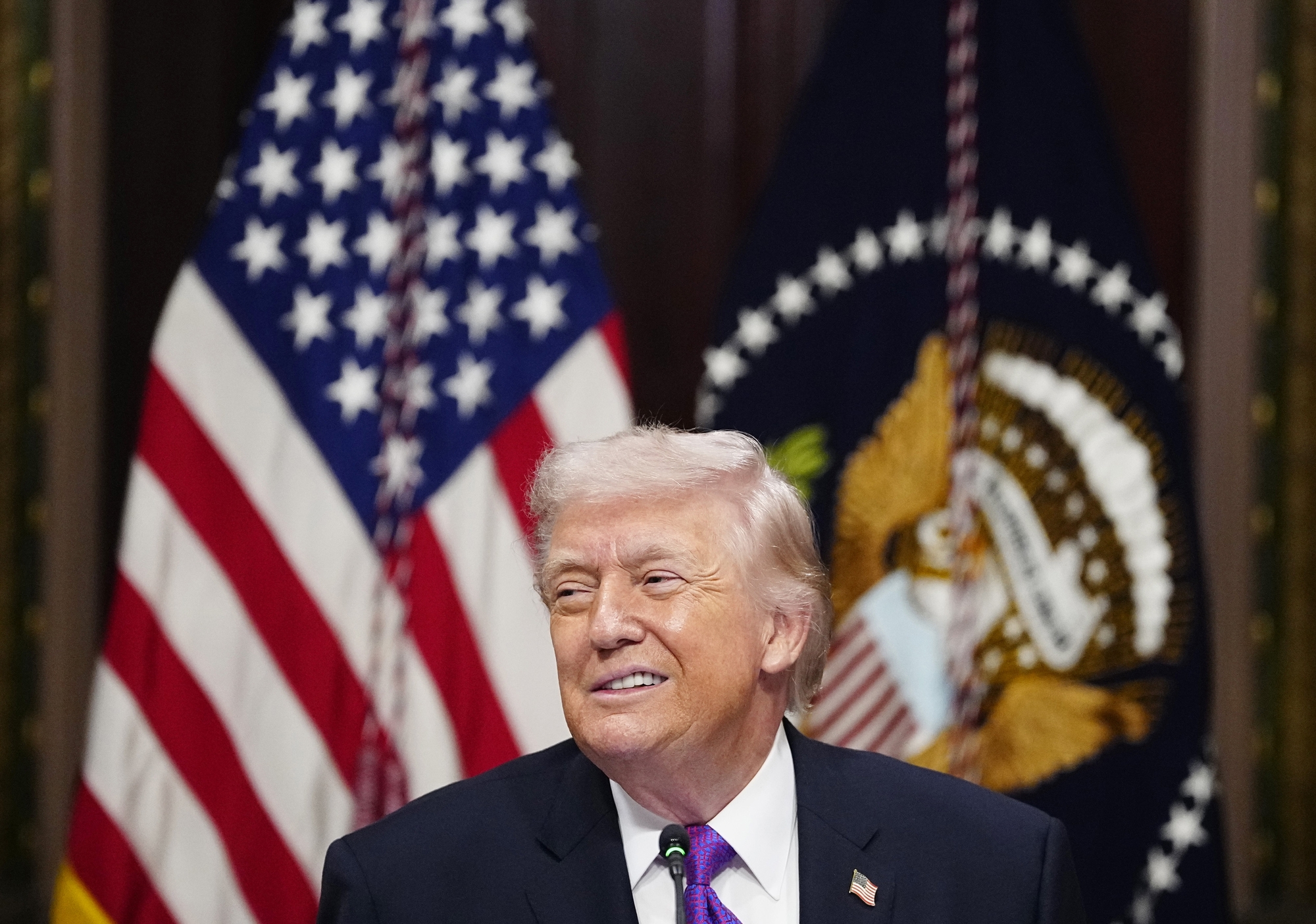
In talks with reporters, Trump expressed frustration with the actions of the Ukrainian leadership and urged Zelensky to “get to work and make a deal.” He also repeated his view that Putin is allegedly ready for a deal, and suggested that the Ukrainian president has “fewer cards” for negotiating.
"Zelensky should get to work and make a deal"
— Donald Trump, U.S. President (comment to Politico)
"I think Putin is ready to make a deal"
— Donald Trump, U.S. President (comment to Politico)
Reactions and context
Some American politicians and commentators reacted critically to the statements. The reference to March 3 concerns Trump’s earlier public messages where he named ending the war in Ukraine as one of the goals of his policy. Senator Marco Rubio expressed the view that Trump does not fully understand why negotiations have not concluded, and this factors into debates about approaches to a peace settlement.
Why this matters for Ukraine
First, such public calls by the U.S. leader change the information environment: they can serve as a signal to diplomatic partners and to the Russian side. Second, they put the question of negotiating conditions at the center — what guarantees, territorial and security mechanisms the parties are prepared to accept. Third, the message also has a domestic dimension in the U.S.: the president’s position may be aimed at the electoral audience and the image of a “dealmaker.”
Analysis: why Trump is saying this now
There are several rational explanations. Politically, it is advantageous for a candidate who positions himself as able to end conflicts through deals. Diplomatically, such statements also allow testing Moscow’s and Kyiv’s reactions without formal proposals. Experts also point out that public claims about “Putin’s readiness” do not equal the existence of a concrete roadmap for negotiations or guarantees for Ukraine.
Analysts warn: phrases about readiness for a deal become meaningful only when accompanied by concrete steps — clear security guarantees, control mechanisms and timelines.
Conclusion
Trump’s words are a signal, not a deal. For Ukraine it is important that any discussion about peace talks proceed not from words but from clear conditions that will ensure security and sovereignty. The question remains open: will these public calls turn into a diplomatic initiative with concrete guarantees — or remain a tool of political pressure and domestic maneuvering in the U.S.?



