Trump called Putin after meeting with Zelensky — what it means for guarantees to Ukraine
The call between the presidents took place after talks in the United States. The White House called the conversation "positive," while the Kremlin presented its own version of events. We examine which of these statements are critically important for Ukraine’s security and which questions remain open.

By Tetiana Suchkova-Ladik
December 29, 2025 · 2 min read
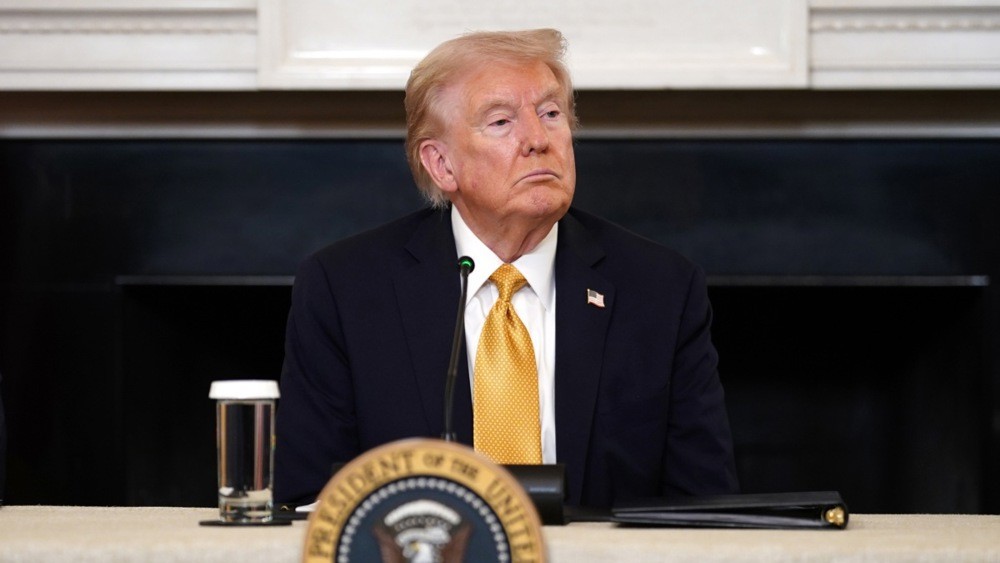
Call amid US‑Ukraine talks
On December 29, US President Donald Trump held a phone conversation with Russian leader Vladimir Putin. The White House's official position — the call was "positive" and concerned Ukraine. This contact took place immediately after Trump’s talks with a Ukrainian delegation, giving it additional context and political significance for Kyiv.
"President Trump concluded a positive conversation with President Putin regarding Ukraine"
— Caroline Leavitt, White House Press Secretary
What the official sides reported
The White House said that Trump informed Putin of the results of his talks with President Volodymyr Zelensky. After the meeting in the US, Zelensky said he had offered security guarantees for Ukraine for 30–50 years instead of 15; Trump, according to the Ukrainian side, replied that he "would think about it." The American leader reportedly also discussed 20 points of a peace plan with Zelensky.
"After the talks in the US, two points out of 20 remain unresolved: the operation of the Zaporizhzhia NPP and control over territories"
— Volodymyr Zelensky, President of Ukraine
The Kremlin’s version — claims and discrepancies
The Kremlin reported a different detail: allegedly, during the conversation Russia informed Trump about a drone strike on Putin’s residence in the Novgorod region; Kremlin aide Yuri Ushakov said that Trump "was shocked" and reportedly noted that it was good that the US had not supplied Tomahawk missiles to Ukraine. These claims reflect the Kremlin’s position and currently lack independent confirmation from other sources.
"The US President was shocked and said it was good that the US did not give Ukraine Tomahawk missiles"
— Yuri Ushakov, aide to the Russian president (according to Kremlin reports)
What this means for Ukraine
There are three important conclusions for the Ukrainian side. First, the mere fact of direct contacts between the leaders of the US and Russia occurring against the backdrop of negotiations on Ukrainian guarantees indicates intense diplomatic bargaining, where not only public statements matter but also what is agreed "off camera." Second, any statements from the Kremlin should be viewed critically: they may serve domestic political or information purposes. Third, the key question for Ukraine is whether Trump’s promises will be turned into legally binding guarantees that must be approved by Congress.
Analysts point out that diplomatic signals often precede real decisions in Washington: promises need to be translated into legislative mechanisms and material support. Moreover, any mentions of weapons or strikes are a factor that can complicate the negotiation process and increase the risk of escalation.
Summary
Trump’s conversation with Putin after the meeting with Zelensky is an element of a broader diplomatic game in which security guarantees for Ukraine are at stake. It is important to distinguish confirmed facts from versions promoted by one of the parties and to monitor whether political promises will be turned into concrete steps — in the US Congress and in practice.
Now it's up to the partners: whether guarantees can become law and real instruments of protection is a question on which much more depends than short‑term information gains.



