Translation difficulties or a big game? What did Macron really say about dialogue with the Kremlin?
In recent days the media space was shaken by reports of Emmanuel Macron’s alleged readiness to enter into direct dialogue with the Russian dictator. However, RazomUA’s special correspondent in France, Oksana Melnychuk, cautions against hasty conclusions: the French president’s words were taken out of context and misinterpreted.

By Tetiana Suchkova-Ladik
December 21, 2025 · 1 min read
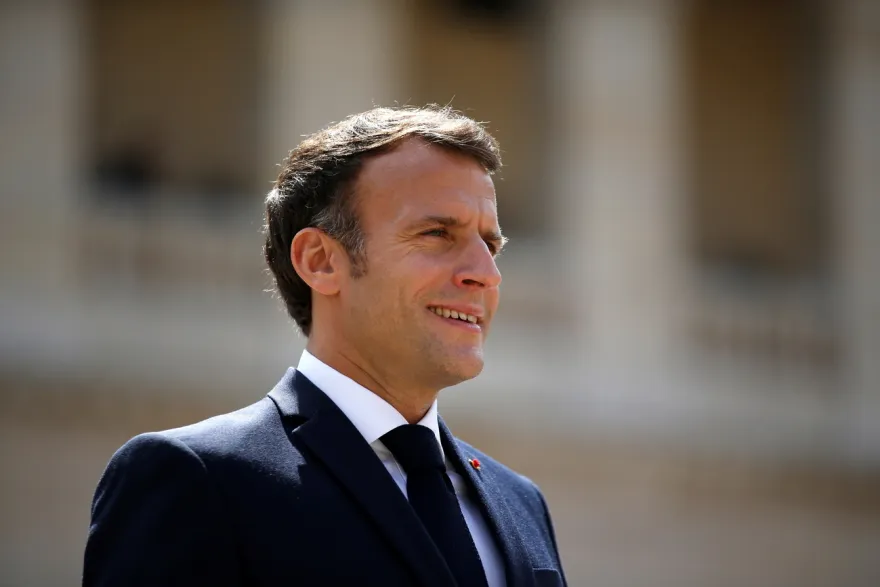
According to the expert, a mistaken reading of the messages from the Élysée Palace is spreading in the Ukrainian information field. Macron was not speaking about «readiness» in the classical sense, but about the necessity of Europe’s agency in the negotiation process.
«We Europeans, together with Ukrainians, should think about a format of dialogue with the Russian Federation that is acceptable to us and to Ukraine — why are the Americans talking to the RF, and we [Europeans] are not?»
— Emmanuel Macron (quote via Oksana Melnychuk)
Elitist language and the real context
Oksana Melnychuk explains that the French president’s particular manner of expression often causes misunderstandings even within France. However, at the core of his statement lies a pragmatic concern: Europe cannot remain on the sidelines while Washington conducts negotiations behind its back.
«Macron was speaking in the context that negotiations without Europe make no sense. If the US is dialoguing with Putin, then a format acceptable to Europeans and Ukrainians should be found. Otherwise it looks like the Americans agree on something and then present us with a fait accompli,» — the correspondent notes.
Hybrid war: actions matter more than words
Oksana Melnychuk warns against treating public statements as ready-made solutions. In today’s realities, real diplomacy takes place behind closed doors, and media appearances are part of a hybrid strategy.
«Knowing all this French kitchen, I would not be quick to conclude that Macron is backtracking. Let us not forget that we are in a hybrid war, and public statements are part of it. Real decisions are no longer announced. Watch actions, not loud statements ripped out of context,»
— Oksana Melnychuk, special correspondent of RazomUA in France
Thus, Paris’s main message today is a call for solidarity and a refusal to allow a scenario in which the fate of Ukraine and Europe is decided without their direct participation.



