Three sabotage incidents on Italian railways on Olympic opening day: what it means for Europe’s security
On the first full day of the Olympics in Italy, railway infrastructure was damaged in several regions — rail traffic slowed, and authorities say it was a coordinated act of sabotage. We examine what risks have emerged and why this matters for Ukraine and Europe.

By Tetiana Suchkova-Ladik
February 8, 2026 · 2 min read
What happened
On the morning of February 7 three separate incidents were recorded at several points in northern Italy, disrupting rail traffic on the first full day of the Winter Olympic Games. Reuters reports this with reference to the Italian Ministry of Transport and local police.
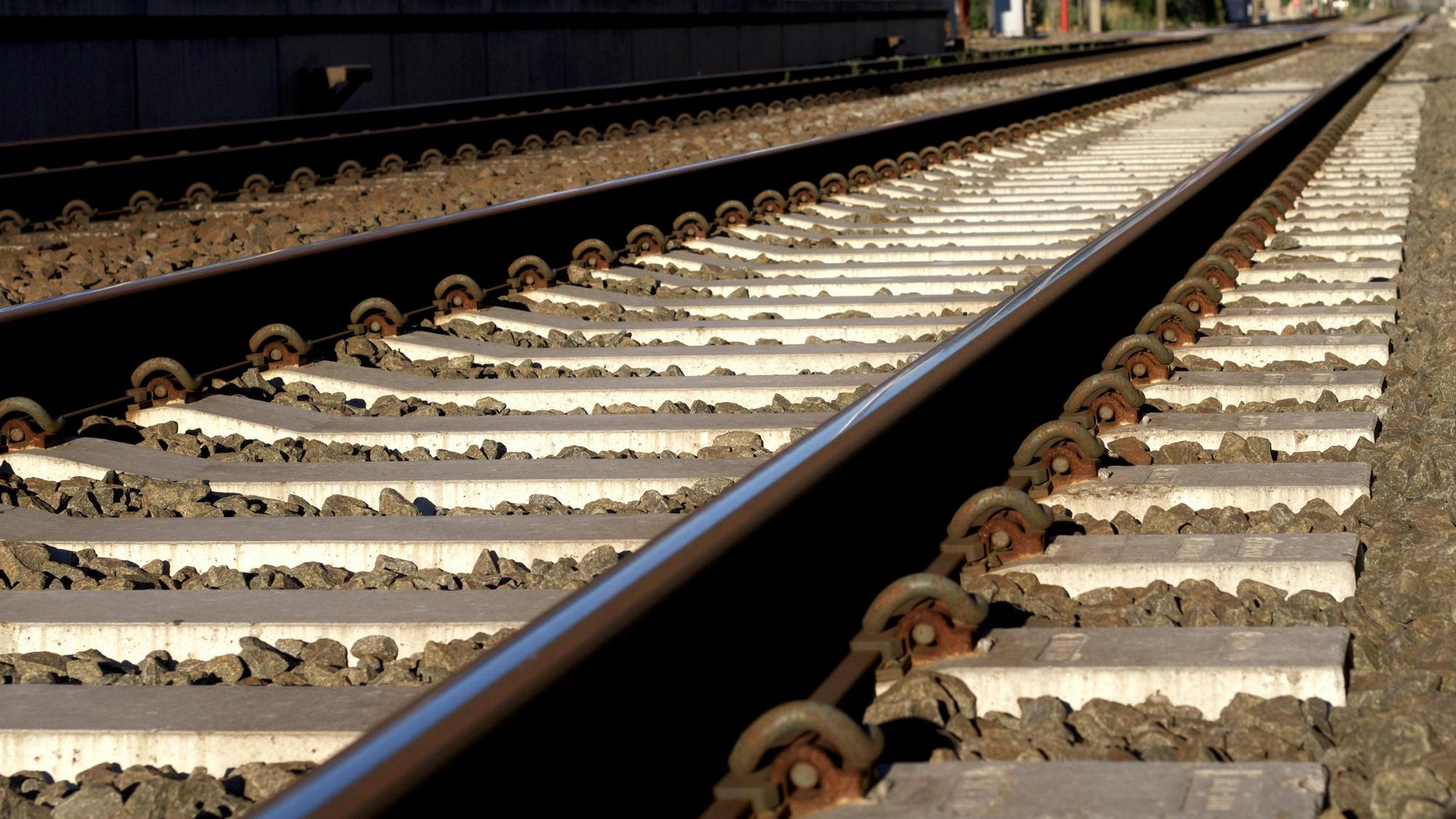
Due to damage to infrastructure — an arson attack on a switch cabinet in the Pesaro area, cut electrical cables near Bologna, and the discovery of an improvised explosive device — high-speed, intercity and regional trains were delayed by up to 2.5 hours. The state railway company Ferrovie dello Stato temporarily closed the high-speed train station in Bologna; by midday service began to return to normal.
"This is a serious act of sabotage"
— Italian Ministry of Transport (statement)
Context: from cyberattacks to protests
The incidents occurred against a backdrop of other events: on February 4 Italy’s foreign minister reported having repelled cyberattacks, allegedly led by the Russian Federation, targeting embassies and Olympic sites. The day before, mass protests took place in Milan — part of the demonstrations at night led to clashes and the use of pyrotechnics, which also heightened the overall atmosphere of tension in the host cities.
"No one has claimed responsibility for these incidents, which appear to have been coordinated"
— Spokeswoman for the Italian police
Possible motives and theories
Authorities are currently treating the incidents as sabotage. Security analysts emphasize that attacks on transport infrastructure can have various motivations — from protest actions and destabilization to elements of hybrid warfare, where disruption of logistics is used to put pressure on society and state institutions.
Parallel with France — in 2024, on the opening day of the Paris Summer Olympics there were also attacks on TGV high-speed lines. Such repeats indicate that major events create an attractive opportunity for actors seeking maximum resonance.
Consequences for transport and security
For passengers the effect was obvious — delays and temporary station closures. For government services, it's a test of response coordination, information sharing and readiness to protect critical infrastructure. In the short term, additional inspections of track facilities and strengthening security at key hubs are needed.
For Ukraine the situation has a double meaning: firstly, it is a reminder of the vulnerability of infrastructure during major public events; secondly, an example of how Europe responds to new hybrid risks could serve as an indicator of partner support and readiness for the collective defense of critical systems.
Conclusion
The investigation is ongoing: it's important not to rush to final conclusions, but also not to underestimate the signals. Europe will have to strengthen the protection of logistical networks and increase intelligence-sharing between agencies to minimize the likelihood of recurrence. For Ukraine — another reason to hone its own infrastructure protection mechanisms and coordinate with European partners.
Now the question is for investigation and prevention: can coordination at the level of governments and rail operators quickly close vulnerable points — and will we receive clear, practical solutions instead of signals of panic?



