Three waves in one day: Russia attacked Dnipro with 10 missiles and over 80 drones, striking repeatedly at already destroyed neighborhoods
On April 25, the city experienced one of the most massive attacks since the beginning of the war — five people killed, over 40 wounded, including children. Russia deliberately struck the same points where rescue operations were already underway.

By Tetiana Suchkova-Ladik
April 25, 2026 · 2 min read
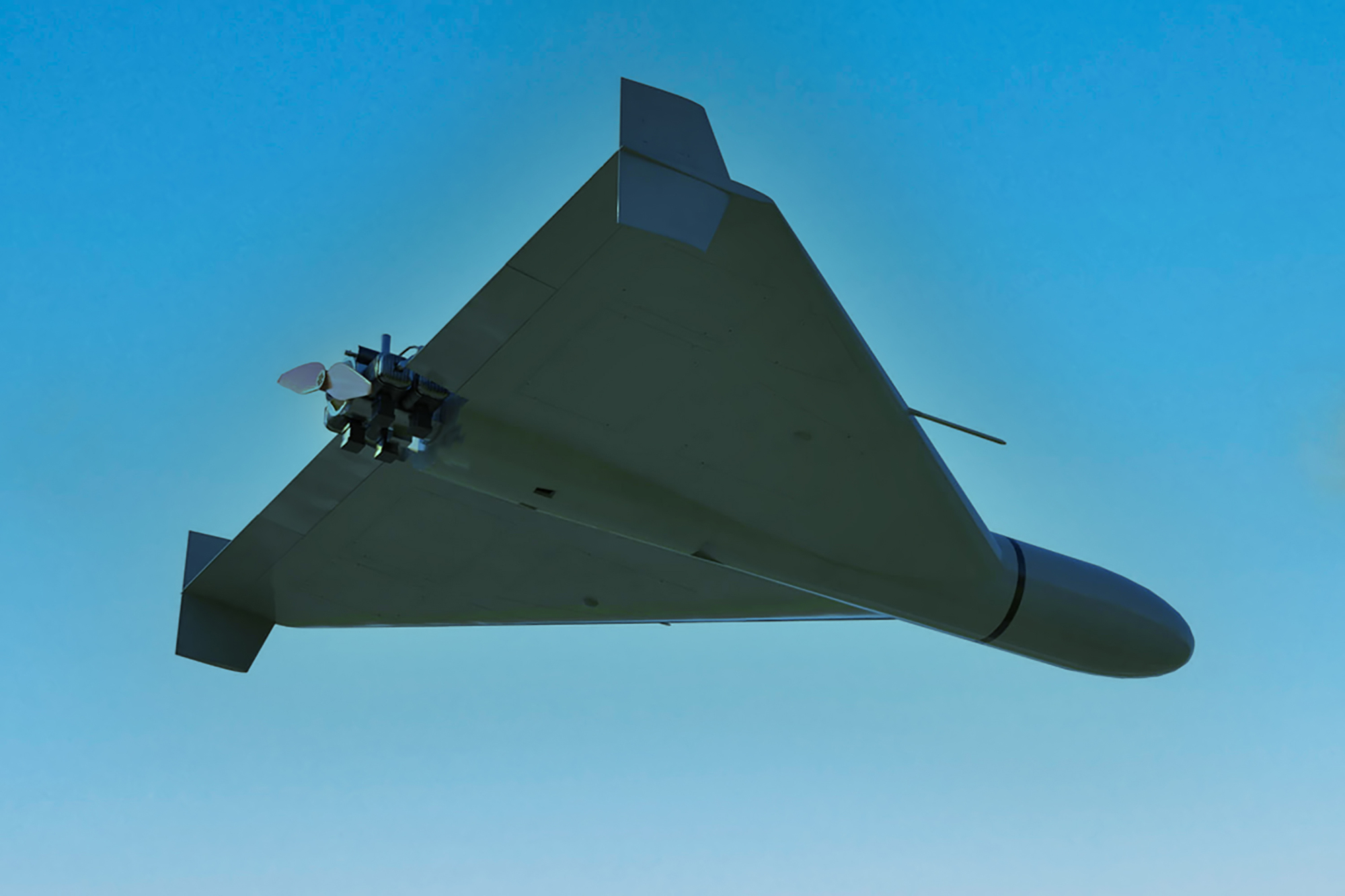
On April 25, Dnipro came under attack in three waves — from night until midday. According to Mayor Borys Filatov, the city was hit by 10 cruise missiles and over 80 drones. In total, Russia launched 47 missiles and 619 unmanned aircraft across Ukraine — Air Force units destroyed 610 targets, but hits were recorded at 23 locations.
What and where was destroyed
The main strike targeted the residential sector. Rescuers completely dismantled the entrance of a destroyed four-story building. According to Filatov, at least 27 residential buildings, two kindergartens and an outpatient clinic were damaged, with approximately 1,500 windows blown out. A fuel station was also hit separately — causing a fire that destroyed three trucks.
President Zelensky confirmed: five killed, over 40 wounded — among them children, 23 hospitalized, two people still being searched for as missing persons.
"During the day, the Russians attacked the same residential district again, which they had struck at night"
President Zelensky on Telegram
Repeated strike on rescue operation sites
Around 11:30 a.m., the enemy struck the same residential district again — this time during active rescue operations. The second strike resulted in one more death and several residents injured. City authorities openly called this a deliberate tactic: strikes on locations of previous hits, when rescuers are already on site.
Air defense repelled 80% of missiles and 94% of drones — but not all
Filatov reported that air defense destroyed 80% of missiles and 94% of unmanned aircraft attacking Dnipro. In this context, a detail that could have seemed like a joke becomes clear: during the night wave of Shaheds, a drone flew into an apartment through a window and did not explode. Residents were not harmed — but this illustrates the density of the attack: even a neutralized drone ended up inside a residential building.
According to Zelensky, a critical weakness of air defense is the shortage of systems and missiles to intercept ballistic weapons. He reminded partners of the need to implement already-adopted decisions on strengthening protection:
"We are counting on each of our political agreements on strengthening air defense to be implemented in a timely manner"
President Zelensky
Tactical context
The Air Force confirmed: the attack included 12 Iskander-M/S-400 ballistic missiles, 29 Kh-101 cruise missiles, 5 Kalibrs and approximately 400 Shaheds. According to ISW analysis, ballistics are used for precision strikes on fortified targets, while drones and cruise missiles overload air defense. Patriot systems remain the only ones capable of intercepting ballistic missiles — and Russia deliberately strikes where they are absent.
- 47 missiles and 619 UAVs — total scale of the attack across Ukraine
- 10 missiles and 80+ drones — directly on Dnipro
- 5 killed, 40+ wounded, 2 missing — the toll for the day
- 27 buildings, 2 kindergartens, 1 outpatient clinic — damaged civilian infrastructure
If agreements on strengthening air defense, concluded in Cyprus and under the PURL program, are not implemented before the next massive attack — Dnipro will face it again with the same gaps in ballistic interception.



