CIA in Cuba for First Time Since 1953: Ratcliffe Delivered Havana an Ultimatum — and a Hint About Maduro's Fate
CIA Director John Ratcliffe personally delivered Trump's message to Havana: either "fundamental changes" or continued asphyxiation. The visit took place amid the collapse of Cuba's energy system and after the United States eliminated the island's main source of oil — the Maduro regime in Venezuela.

By Tetiana Suchkova-Ladik
May 15, 2026 · 3 min read
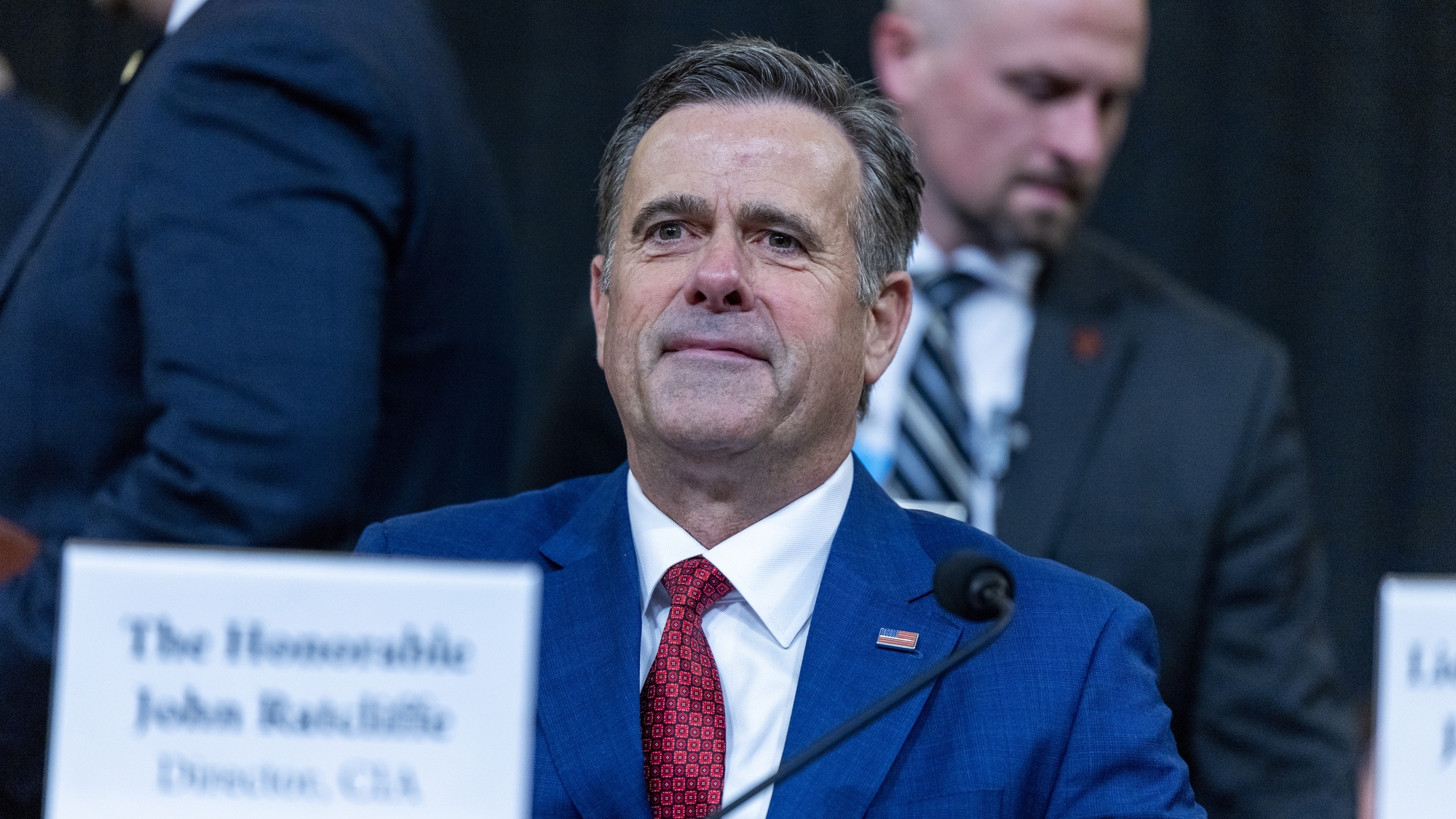
Thursday, May 14. CIA Director John Ratcliffe sits down at the negotiation table in Havana — a city where eastern provinces have been without electricity for several weeks now. This is the first visit by the head of American intelligence to Cuba since the 1953 revolution. The formal pretext — to deliver a message from Trump. The real subtext — more complex.
Who sat across the table
According to a CIA representative, Ratcliffe met with three Cuban officials: Interior Minister Lázaro Álvarez Casas, the head of Cuban intelligence, and Raulito Rodríguez Castro — the grandson of Raúl Castro, known in Havana by the nickname "Crab." The latter is considered a key figure in informal contacts with American officials and a longtime bodyguard to his grandfather.
A detail that doesn't fit diplomatic protocol: Álvarez Casas is under personal U.S. sanctions — under the Magnitsky Act. The fact that Ratcliffe sat down with him confirms: the conversation was conducted along intelligence and security lines, not through the Foreign Ministry.
A message without details
"The United States is prepared to engage seriously on economic and security issues — but only on the condition that Cuba undertakes fundamental changes."
Official CIA representative
What exactly "fundamental changes" means was not clarified. No list of demands, no verification mechanism, no deadlines. Trump wrote the same day on Truth Social: "Cuba is asking for help, and we will be talking!!!" — three exclamation marks, but without specifics.
Why now
Cuba produces less than 40% of the fuel needed for its own economy. The rest has been supplied for decades by Venezuela and Mexico. On January 3, 2025, the U.S. military conducted an operation in Venezuela and removed Nicolás Maduro from power — Cuba's main oil donor. After that, the island found itself in an energy collapse: mass blackouts, hospitals shut down, fuel shortages, food and medicines in deficit.
The Trump administration simultaneously intensified sanctions pressure — a so-called "maximum pressure" strategy — and on January 20, 2025, returned Cuba to the list of state sponsors of terrorism, reversing Biden's decision.
Ratcliffe, according to Axios, directly advised the Cuban side to "learn the lesson from the January 3 operation that toppled Maduro in Venezuela." This is not a veiled threat — it is an open demonstration of capability.
Notably, there's another detail: the meeting took place at Washington's request. Havana confirmed this. That is, Cuba did not come asking — the U.S. came to talk. But a senior administration official explained the logic to Reuters this way:
"They have no fuel. They have no money. There's no one to save them. The regime has held on since 1959, but even they understand it's time to change."
Senior official of the Trump administration
Havana's answer: yes and no simultaneously
The Cuban side published an official communiqué in which it claims to have "demonstrated" to Ratcliffe that the island does not pose a threat to U.S. national security and has no grounds to remain on the list of terrorism sponsors. President Miguel Díaz-Canel wrote the next day that Cuba is ready to accept humanitarian aid from the U.S. — if provided in accordance with international standards. At the same time, he added that it prefers the lifting of the blockade.
So Havana's formula is: we are talking, but we are not capitulating. We are accepting aid, but we are not accepting the conditions.
- What the U.S. wants: "fundamental changes" — without clarification
- What Cuba offers: dialogue without admitting fault, lifting sanctions in exchange for talks
- What's missing: no control mechanism, no defined conditions, no deadlines
If Washington truly wants "fundamental changes" rather than just a demonstration of force — the next step should contain a specific list of demands with clear criteria. If such a list does not appear in the coming weeks, it is likely that Ratcliffe's visit was not the beginning of negotiations, but a warning before escalation.



