CEC recognized Roman Kravets as an MP: what it means for information security and trust in party lists
After Dmytro Natalukha was appointed head of the State Property Fund, the Central Election Commission assigned his parliamentary seat to Roman Kravets — a person implicated in investigations into the Telegram channel “Joker.” We examine why this matters for security and institutional transparency.

By Tetiana Suchkova-Ladik
January 19, 2026 · 2 min read
What happened
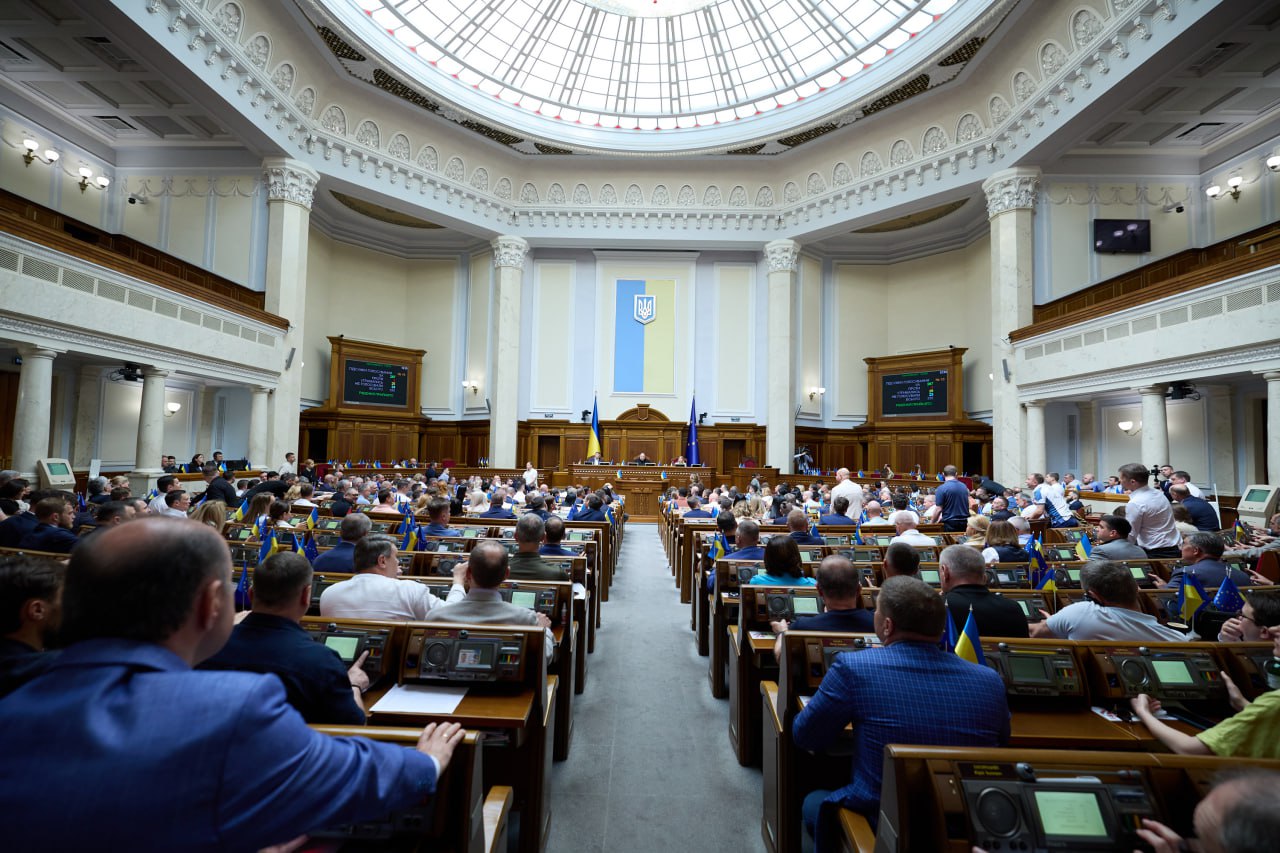
On 14 January 2026 the Verkhovna Rada appointed Natalukha as head of the State Property Fund; her parliamentary powers were terminated early. The Central Election Commission considered the corresponding resolution and recognized as elected the next candidate in order from the Servant of the People party list — Roman Kravets (No. 153 on the party list).
Who Roman Kravets is
Kravets is 31 years old. Journalistic investigations, including materials by hromadske (June and November 2024), named him as the likely owner of the blocked Telegram channel “Joker” and noted possible ties to the Office of the President. According to Kravets’ public statements, some of his travels abroad during the full-scale war were related to volunteer work or purchasing drones; he also claimed that he had previously sold the channel — this has not been officially confirmed.
"‘Joker’ is included in the list of pro‑Kremlin resources that 'are used by unidentified persons to carry out destructive information activity to the detriment of Ukraine’s national security.'"
— Security Service of Ukraine (in response to a request from Iryna Herashchenko)
Why it matters
The Central Election Commission’s decision, following the standard procedure, is technically correct: the parliamentary seat is taken by the next person on the list. But the point is not the procedure itself, it is the risks to information security and trust in the mechanisms of the party’s personnel reserve. The presence in the public sphere of a figure who has been the subject of investigations and of a resource that in the past has appeared on the SBU’s lists as harmful increases the need for public and prompt clarification from the party and the institutions responsible for security.
What to do next
Now parliament and society have several simple but important expectations: open information about the results of checks, a prompt response from the relevant committees, and the readiness of law enforcement agencies to act within the law. Journalists and analysts will continue to monitor the situation; party leaders must explain their personnel choice. The main question for citizens and partners is whether institutions will optimize selection and oversight procedures so that such risks do not become systemic.
This is a case about institutional resilience: the technical execution of a procedure is one thing, and its consequences for security and trust are another. Does the state have enough tools to minimize information threats and preserve the parliament’s reputation? The answer will depend on the speed and quality of the next steps.



