CEC Recognizes Serhii Karabut as MP to Replace Late Kabanov — What Will Change in the "Servant of the People" Faction
The Central Election Commission has confirmed the replacement of the mandate following the death of Oleksandr Kabanov. We examine how the replacement mechanism works and why this matters for the stability of the legislative majority.

By Oleg Bazylewicz
January 23, 2026 · 2 min read
What happened
The Central Election Commission (CEC) recognized Serhiy Karabuta as an elected People's Deputy of Ukraine in place of Oleksandr Kabanov, who died on 14 January 2026. The decision was published in an official statement by the commission on social media — after receiving from the Verkhovna Rada the document on the early termination of the powers of the deceased deputy.
"The CEC recognized Serhiy Karabuta as an elected People's Deputy of Ukraine based on the order of candidates in the nationwide multi-member list of the 'Servant of the People' party (No. 156)."
— Central Election Commission
On procedure and deadlines
Under the procedure, the candidate next in line on the party list is automatically recognized as elected after confirmation of the termination of the previous deputy's powers. Karabuta has 20 days to submit the package of documents to the CEC; after receiving them the commission must make a decision within five days.
Context and consequences for the faction
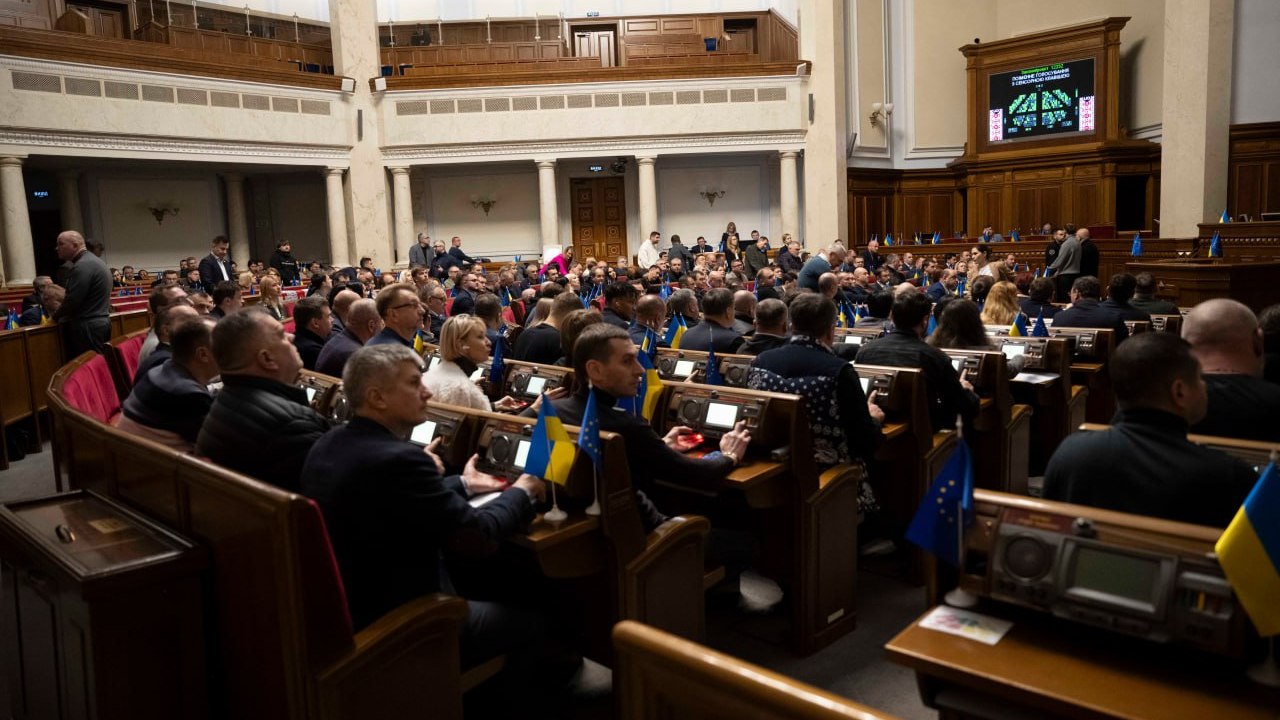
This is not merely a formality: the replacement of a mandate affects the size of the faction and its staffing calculations in committees. For the reader, this is a matter of the security of decision-making — every vote in the session hall matters for the legislative process and for supporting government initiatives.
There is a recent precedent: on 19 January the CEC recognized Roman Kravets as an elected MP in place of Natalukha, but Kravets announced his intention to refuse the mandate. Such a development changes the timing of new deputies' entry and may force the party to carry out additional personnel searches.
About the person replacing him
The biography on the CEC website states that Serhiy Karabuta is 43 years old; at the time of the election he worked as director of Tropicana Travel LLC. This is a typical situation for replacements on party lists: politicians from business or local government often enter the Verkhovna Rada.
What happens next — and why this matters for citizens
The next steps are simple but significant: if Karabuta submits the documents — the CEC will make its decision within five days, and he will officially receive the mandate. If the candidate refuses, the place will go to the next person on the list. For citizens, this is a matter of guaranteed representation: a stable majority ensures predictability in passing laws, and delays in replacements can postpone important legislative initiatives.
Summary: formally — this is a standard procedure for filling a vacant mandate. In practice — it is a test of the party's vertical responsiveness and of the faction's ability to maintain the regular functioning of parliament amid unforeseen changes.
Who does this concern most? Primarily voters who expect that their representatives in the Rada will be not only declarative but also capable of systematically working on legislation. Now it is up to the paperwork — and the decisions of the candidates on the list.



