TCC in Pryluky: "Fake" or lack of verification — and why these are different things
The Chernihiv Territorial Recruitment Center called Honcharenko's video an information-psychological operation. However, in the Bilotserkivsky and Uzhhorod Territorial Recruitment Centers, similar footage turned out to be true — following official monitoring by the ombudsman.

By Tetiana Suchkova-Ladik
April 9, 2026 · 2 min read
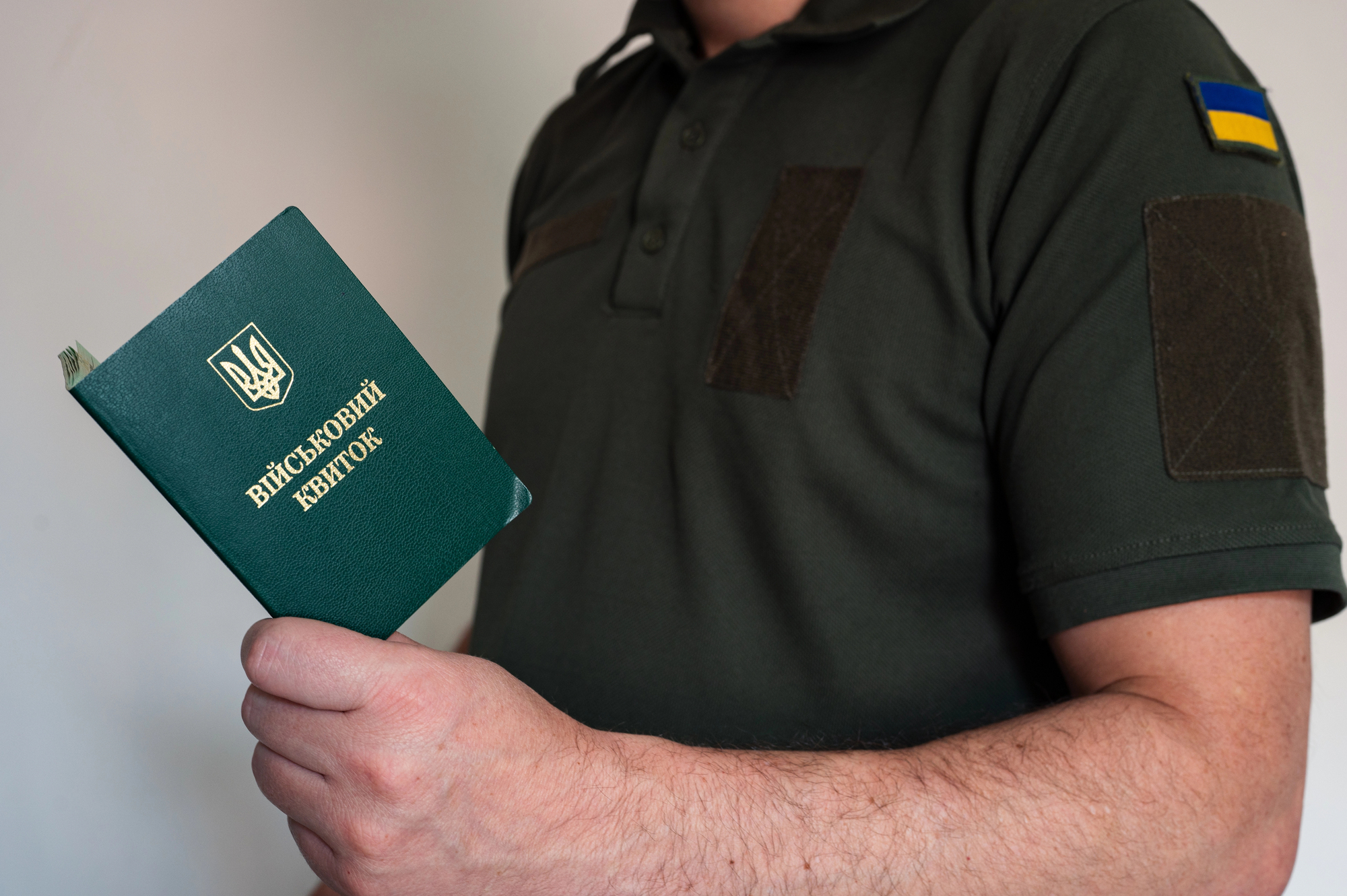
On April 9, Aleksii Honcharenko, a People's Deputy, published a 12-second video: a room with bars and peeling plaster—with a caption stating these are the conditions of detention at the Pryluky RTSK and SP. The Chernihiv regional TsK responded the same day.
"The premises shown in the video have no connection whatsoever to the Pryluky RTSK and SP, and the material itself is fake and bears signs of a deliberate information-psychological operation aimed at discrediting the Armed Forces of Ukraine and undermining mobilization measures."
— Official statement of the Chernihiv regional TsK and SP
A standard response. The question is: how many times has this already been said—and what has happened afterwards?
The same scenario—twice in a row
Honcharenko himself recalled the context in his post: the day before, at a temporary investigative commission session, they examined the case of the Bila Tserkva RTSK. There too, they initially spoke about "repairs." Ombudsman Dmytro Lubinets conducted an official monitoring visit on December 4, 2025, and documented unsanitary conditions, lack of sleeping spaces, and absence of basic hygiene facilities. The problems were never resolved until the public scandal.
At the Uzhhorod RTSK, which a representative from the Ombudsman's office also visited, people were found being held for dozens of days in unsanitary conditions without medical assistance. The representative was obstructed during the visit. Lubinets directly called the system a "model of permissiveness," and TsK premises—"places of captivity without any legal grounds."
Regarding Pryluky, Honcharenko reported that he has requested Lubinets to conduct an inspection.
What is actually being investigated
The TsK statement claims: the premises in the video are not theirs. This is a specific and verifiable claim. But it does not answer another question: under what conditions are people held in premises that are officially considered to be theirs?
This is how the Bila Tserkva TsK's response worked at the investigative commission session: the basement premises documented by Lubinets were declared a "bomb shelter, not a detention facility." Technically—a different premises. In reality—people were held there.
A mechanism for independent inspection—without prior warning, with the right to record—still does not exist for either people's deputies or journalists. The Ombudsman's office has such powers, but as the Uzhhorod case showed, even its representatives can be obstructed on site.
If Lubinets conducts a monitoring visit to Pryluky and receives unobstructed access to all premises—the answer to the question about the "fake" will emerge on its own. If not—the argument "not our premises" will remain the only thing that can be verified.



