"A stupid fake" to demoralize: the Office of the President refuted a planted claim about "three years of war" by a dubious journalist
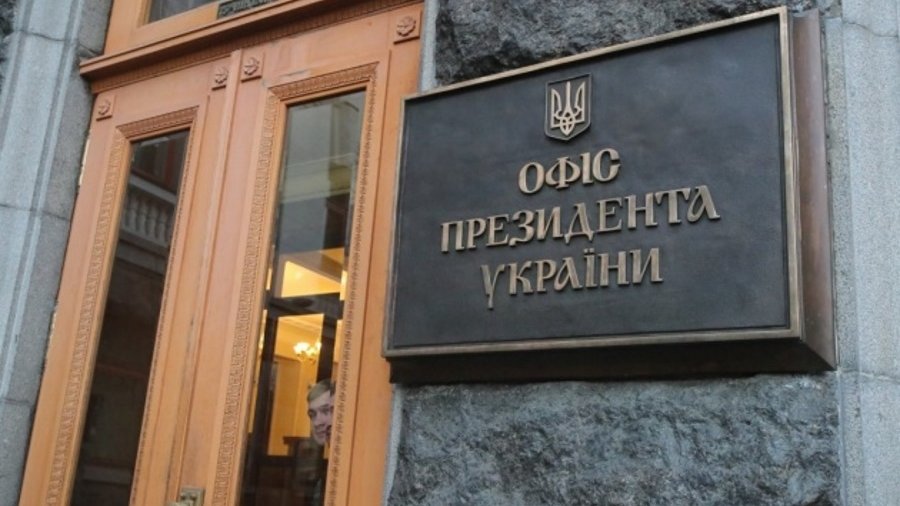
While Ukraine fights for a just peace on the diplomatic front, the enemy is trying to sow despair through coordinated planted stories in Western media. The President's Office forcefully rejected journalist Boyan Panchevsky’s fantasies about an alleged "order from Zelensky to prepare for a three‑year war," calling them primitive disinformation.

By Tetiana Suchkova-Ladik
February 20, 2026 · 1 min read
Anatomy of manipulation: where the "shock" came from
A new wave of skepticism rose after a statement by The Wall Street Journal journalist Bojan Pancevski on the outlet's podcast. He claimed that the President of Ukraine, at a closed meeting with advisers, announced the failure of the negotiations and instructed them to fight for another three years, thereby allegedly "shocking" his circle.
The Presidential Office's reaction was immediate and direct. Presidential communications advisor Dmytro Lytvyn stated that neither such conversations nor any "three-year orders" ever took place.
"This is just a stupid fake. There was neither such a conversation with advisers, nor negativity about the negotiations, nor such an instruction."
– Dmytro Lytvyn, Presidential communications advisor
Who is behind the "sensation": a trail of propaganda
Western analysts and Ukrainian experts urge a critical approach to the figure of the story's author. Bojan Pancevski has long been under scrutiny for spreading narratives beneficial to the Kremlin.
Why trust in Pancevski is zero:
- Working for the enemy: The journalist is listed in the "Myrotvorets" database for participating in humanitarian aggression against Ukraine and manipulating socially significant information.
- History of fakes: Previously he promoted a dubious theory of a "Ukrainian trace" in the Nord Stream explosions and warned Germany of economic collapse from aiding Kyiv.
- Distorting reality: As early as 2021 he tried to shift responsibility for the MH17 disaster onto Ukraine.
The real situation: negotiations continue
Despite attempts by disinformers to create the illusion of a dead end, the diplomatic process continues. Unlike Pancevski's anonymous "sources," official Kyiv emphasizes its readiness for dialogue. Ukraine expects the next meeting of delegations to take place as early as February.
Following the results of the latest round of talks in Geneva, Volodymyr Zelenskyy noted progress on the military front. This confirms that the situation is dynamic, and claims of a "180-degree turnaround" are merely part of the enemy's information-psychological operation.



