Tusk: Poland a model of security and support for Ukraine in Europe
Poland's Prime Minister Donald Tusk called the country "a reliable eastern border" and urged the EU to follow its example. We examine what lies behind those words — for security, logistics and the Ukrainian community.

By Tetiana Suchkova-Ladik
January 1, 2026 · 2 min read
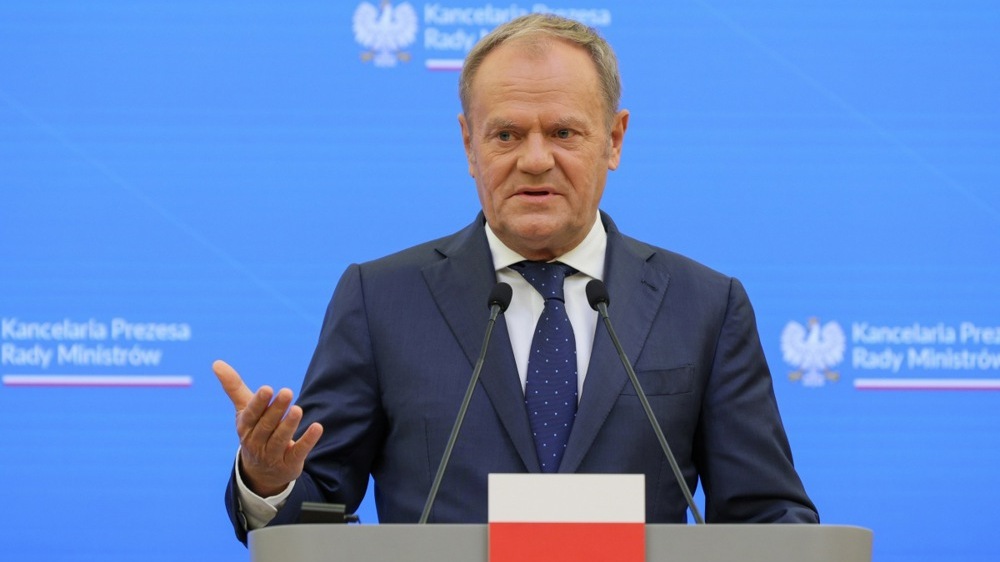
In high diplomacy, quiet action is more important than loud statements
Donald Tusk's New Year's address, as reported by Polsatnews, was more than a patriotic speech — it positioned Poland as a key player in Europe's security and humanitarian matrix. For Ukraine this is not merely a compliment: it concerns logistics, defense and practical support that are already working for our security.
What Tusk said
According to the prime minister, Poland is a "safe and reliable eastern border", with one of the most modern armies in the EU, an effective security policy and systematic support for refugees from Ukraine. He also called the country a "dynamic logistics hub" with accelerated road and rail infrastructure.
"A model for the whole of Europe, which has led to a reduction in the number of migrants crossing our borders by more than 90%"
— Donald Tusk, Prime Minister of Poland
Tusk also emphasized the support provided to two million Ukrainians who arrived after the full-scale invasion, and called Poland's economic successes an argument to emulate.
Why this matters for Ukraine
Security: Warsaw's firm stance contributes to regional resilience — modern units, border coverage and counter-sabotage operations reduce the risk of direct strikes on the western flank.
Logistics: Poland's fast rail and road transport infrastructure is a route for arms, humanitarian aid and reconstruction, directly affecting Ukraine's ability to supply the front and rebuild its economy.
Humanitarian component: support for millions of refugees is both a social responsibility and a strategic resource: integrating Ukrainians into Poland's economy reduces pressure on the rear and increases the chances of long-term labor mobility.
Partners' voices — context
"We must be prepared that not all points of a peace agreement will likely conform to our idea of justice"
— Alexander Stubb, President of Finland
"Russia never ends its wars by itself. Only pressure from others — which they themselves call a 'gesture of goodwill'"
— Volodymyr Zelenskyy, President of Ukraine
These voices emphasize two important points: firstly, that security and peace are the result of coordination between states; secondly, that support for Ukraine from Western partners must be consistent and practical, not merely rhetorical.
Conclusion
Poland's position, as outlined by Tusk, is a signal to Europe: effective support combines military readiness, logistics and the social integration of refugees. For Ukraine, the key question is whether partners will be able to transform these statements into long-term institutional steps that will increase the region's resilience and speed up recovery. For now, we have practical components on which further agreements can be built.
Source: Polsatnews; leaders' comments in New Year's addresses.



