Tusk criticized the Polish president's trip to meet Orbán — a risk to European support for Ukraine
Ahead of Hungary's elections, the Polish president's visit to Orbán has raised questions about the unity of Warsaw and Brussels and the security of cross-border aid to Kyiv. We explain why this matters now.

By Tetiana Suchkova-Ladik
March 24, 2026 · 2 min read
What happened
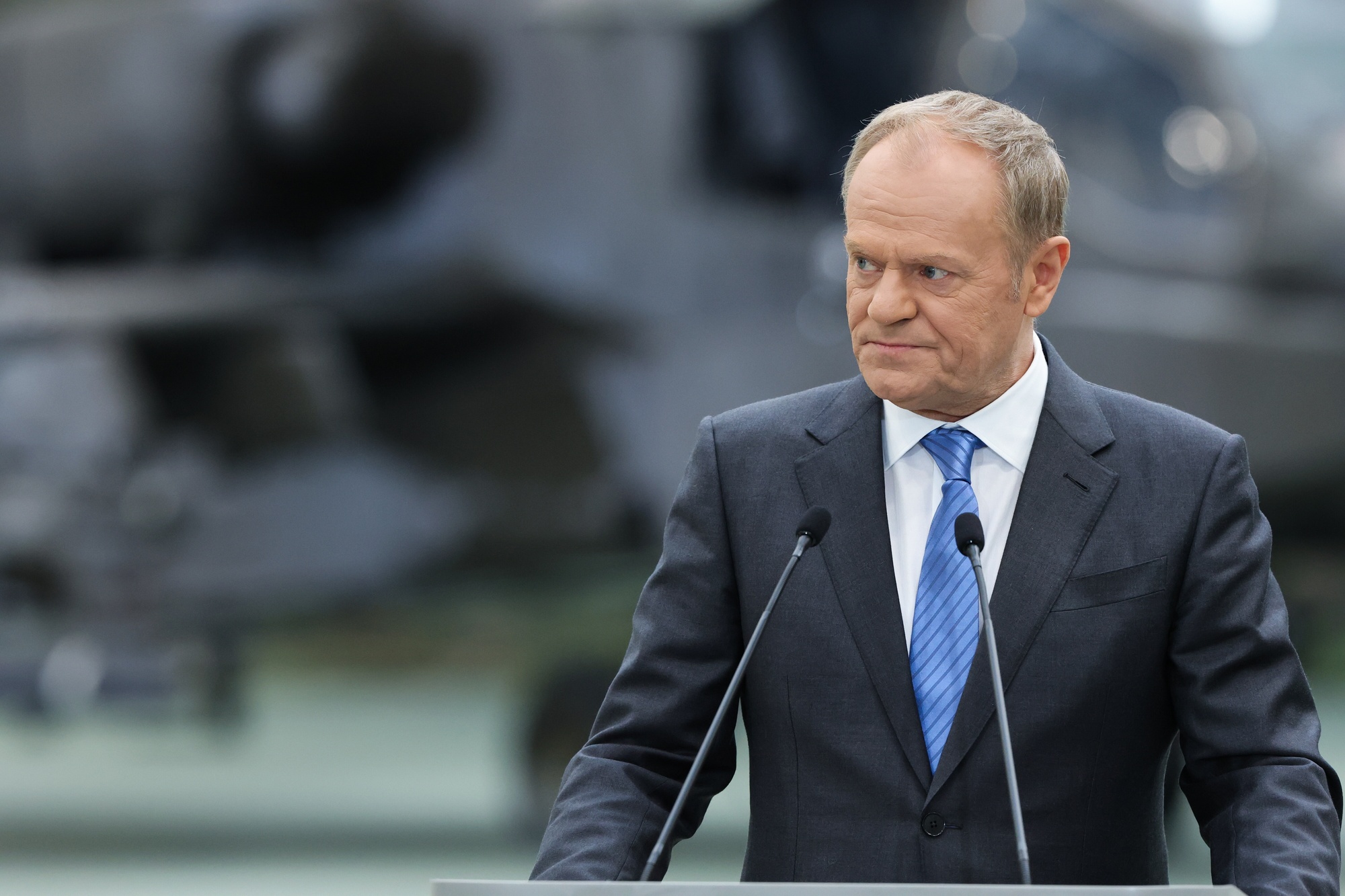
Polish Prime Minister Donald Tusk openly criticized President Karol Nawrocki's trip to Hungary ahead of parliamentary elections in Budapest. RMF24 is cited: according to Tusk, the visit "took place contrary to the recommendations and views of the Polish government" and "runs counter to Warsaw's interests."
"We are still waiting for 2 billion zlotys that were supposed to be paid from the European coffers for equipment that we, as Poland, sent to Ukraine in the first months of the [full-scale] war. Prime Minister Orbán is personally blocking the payment of these funds to Poland."
— Donald Tusk, Prime Minister of Poland
"You are the President of Poland, and you have Polish duties, not Russian ones. Therefore we expect that on matters of foreign policy... the president will support the foreign policy crafted by the government and will not act against Polish interests."
— Donald Tusk, Prime Minister of Poland
Sources and basis of the accusations
Tusk also referred to information that Hungarian diplomats allegedly cooperate with Russian authorities by passing confidential information from meetings of European institutions. This fits into a broader public context: on March 21, 2026, The Washington Post published an article citing an unnamed European diplomat alleging that Hungary's foreign minister László Szijjártó regularly reported to his Russian counterpart. The European Commission has asked Hungary to explain these accusations, and Szijjártó himself confirmed that he had contacts with the head of the Russian foreign ministry during private sessions of the EU Council.
Why this matters for Ukraine
First, this is not only about bilateral Polish–Hungarian relations. Blocking payments and loans within the EU directly affects the ability of European partners to finance assistance to Ukraine. The text refers to a preferential EU loan of €90 billion, whose approval partly depends on the consensus of member states.
Second, the allegations of possible transfer of confidential information undermine trust within the EU: if diplomats use institutional platforms for infiltration or reporting to opposing interests, that complicates coordination of sanctions and defense policy against Russia.
Analysts in the EU and regional experts, including LIGA.net, note that the Hungarian elections on April 12 could change the balance of power — for the first time in 16 years, a change of government is possible, which could potentially ease the passage of aid packages for Kyiv.
Context for the reader
This story is an example of how personal contacts and personnel decisions affect major political outcomes. In diplomacy, not only loud statements matter: sometimes a few trips and closed-door meetings on the edge of electoral cycles change a whole group's willingness to support collective decisions.
Conclusion
The dispute between Warsaw and Budapest is now not just an internal matter for the two countries — it has a direct impact on Europe’s capacity to support Ukraine. If Orbán's course remains in Hungary, this will complicate access to funding and increase doubts about the integrity of EU institutions. If the government changes — the doors to speeding up decisions may open.
Does Poland's position carry enough diplomatic weight to prevent pro-Russian interests from rocking European support for Kyiv? The answer to that question will determine not only the regional balance, but also the pace of further assistance to Ukraine.
Sources: RMF24, The Washington Post (21.03.2026), LIGA.net, statements from European Commission representatives.



