Tusk: U.S. reportedly ready to deploy troops to Ukraine — what it means for security guarantees and territories
If Washington is truly considering a military presence as a security guarantee, it reshapes the negotiating landscape and puts the issues of territory and a referendum on the agenda. We examine what is already known and what the consequences for Ukraine may be.

By Tetiana Suchkova-Ladik
December 30, 2025 · 2 min read
What Tusk said and where the information comes from
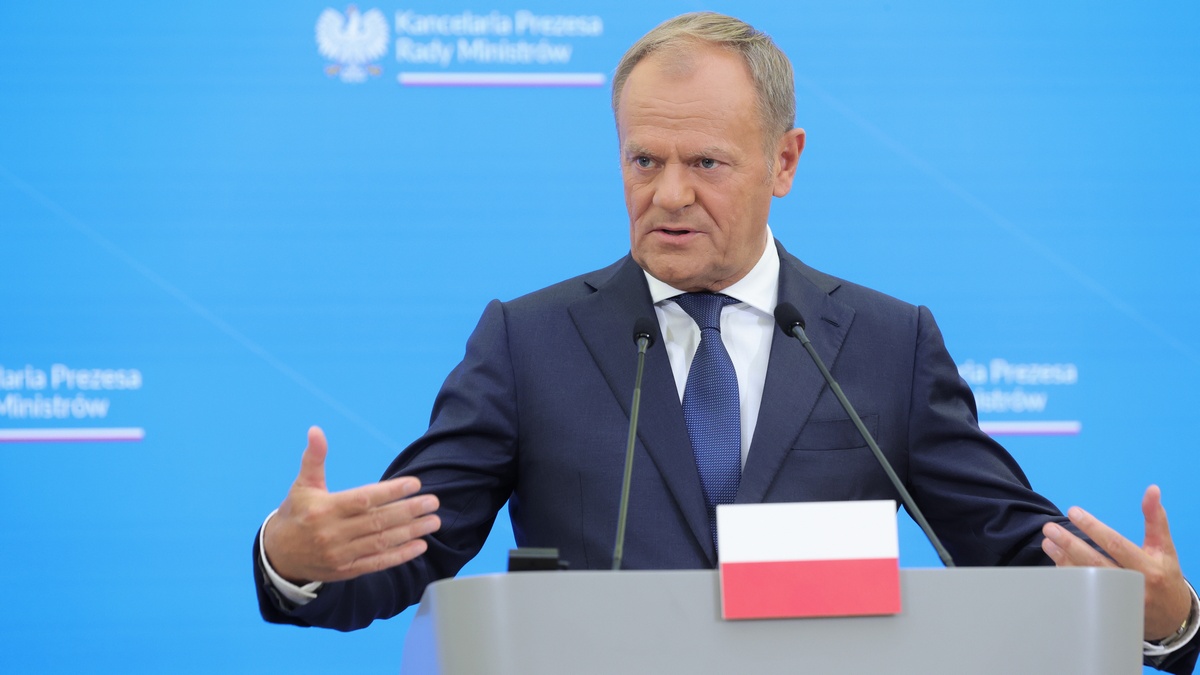
Polish Prime Minister Donald Tusk, after a teleconference of European leaders, said that the United States is reportedly prepared to take part in security guarantees for Ukraine, including the possibility of stationing troops “on the border or on the line of contact.” This was reported by Ukrinform, quoting Tusk before a government meeting.
"These unequivocal declarations have appeared for the first time. We will see how consistent our partners across the Atlantic will be, but this gives hope of bringing these talks to a successful conclusion. By success I mean the end of the war."
— Donald Tusk, Prime Minister of Poland
Why this matters now
If such intentions are confirmed, it would change the balance in security negotiations: a US military presence would be not just a declaration but a real lever of deterrence. At the same time, Tusk also noted that to implement guarantees the parties may need compromises on territory — an issue that directly affects the security of every Ukrainian.
What is already known from Kyiv and partners' positions
President Volodymyr Zelensky previously reported negotiations on long-term guarantees: on December 29 he proposed guarantees to the US for 30–50 years instead of 15, and Trump, according to Zelensky, “confirmed strong guarantees” that must be approved by Congress. At present, according to the president, two of twenty points remain unresolved — the operation of the Zaporizhzhia NPP and control over territories.
Possible consequences and risks
Legal and political side. The deployment of US troops in Ukraine would require clear international-legal and bilateral arrangements: status of forces, timelines, mandate and mechanisms of interaction with the Ukrainian Defence Forces. Such steps would require support in the US Congress and alignment with Ukrainian legislation.
Negotiation cost. The presence of a guarantor is often accompanied by expectations of compromises. Tusk directly links the discussion of guarantees with territorial questions and the possible holding of a referendum — topics extremely sensitive for Ukrainian society and politics.
Practical effect. For the military reality at the front, not only symbolic statements matter, but logistics, defensive capabilities and agreements on rules for the use of force. Analysts note that a declaration of intent is only the start of a long process that may take months or years.
What’s next: steps for Ukraine
It is important for Ukraine now to: 1) fix any guarantees within clear legal frameworks; 2) keep the public informed about negotiations to avoid shock from possible compromises; 3) work with international partners on mechanisms of oversight and accountability.
Summary. Tusk’s message opens the prospect of a new level of partner engagement, but it also puts complex political and legal questions on the agenda. Now the ball is in the partners’ court: declarations must turn into concrete proposals, and Ukrainian society into a considered position regarding the price of guarantees. Will Ukraine agree to it — and what will be the real price of security?



