Quiet victory: Germany hands over Patriot and IRIS‑T to Ukraine
Two Patriot systems and the ninth Iris‑T are already strengthening our air defenses — it's a step that protects our home. Western analysts call it a historic moment; AIM‑9 Sidewinder missiles are expected in 2026.

By Oleg Bazylewicz
December 16, 2025 · 2 min read
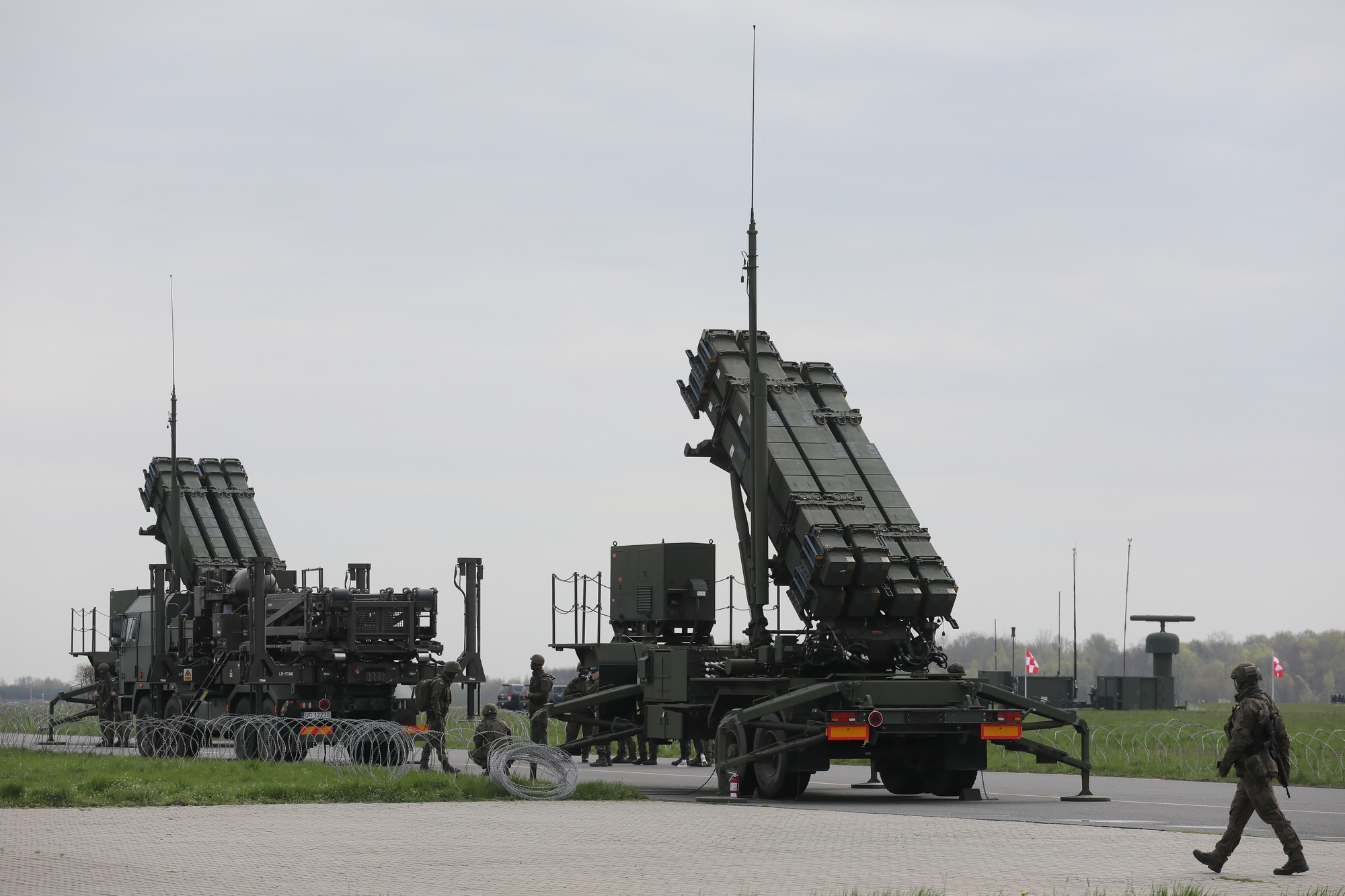
Quiet but powerful work that delivers results. Germany has handed over to Ukraine two Patriot surface-to-air missile systems and another Iris‑T unit — the ninth in the supply chain, noticeably strengthening our air defense.
What the air defense received
This is not just equipment — it is a layered shield for our skies. The Patriot provides the ability to engage strategic targets at long range; the Iris‑T adds precision in close-in combat. Western analysts say this combination changes the balance, creating a technological advantage the Kremlin did not expect.
Partners, notably Norway, played a key role in making this delivery possible, which once again proves: when the world unites, our defense becomes unshakeable. The world is stunned by the pace of coordination and the effectiveness of the aid — everyone is discussing how this will affect the enemy's next operations.
"Since our last meeting we have significantly strengthened Ukraine's air defense, in particular thanks to the delivery of the two Patriot systems promised in August, as well as the delivery of the ninth Iris‑T system,"
– Boris Pistorius, Germany's Minister of Defence
Why this matters
First, it is a historic moment: insiders and experts call today's delivery a signal that the West is not backing down. Second, it is direct protection for our cities and people — now our air defense forces have more tools to repel large-scale attacks.
Germany has also promised to transfer a significant quantity of AIM‑9 Sidewinde5 missiles from its stocks in 2026, and has allocated an additional $200 million to procure critically important weapons and ammunition through the NATO PURL mechanism. These are concrete resources that strengthen our positions right now.
Against this backdrop, Ukrainian authorities continue to push for an expansion of the system — in September Prime Minister Shmyhal spoke of the need for an additional 10 Patriot systems, and President Zelensky said he intends to order 27 Patriots from the United States. This is a policy of steadily accumulating advantage.
What will happen next
This is not the final point, but the start of a new phase: our partners will ramp up, deliveries will continue, and every component makes our defenders stronger. For each of us this means one thing — greater reliability in defending our homes. Insiders warn: Moscow will have to reassess its plans — and that is our strategic advantage.
This step is further proof that when the world unites for justice, real forces and means appear on Ukraine's side. This is a moment that will be written into the chronicles of our defense.



