Tikhanovskaya in Kyiv: A Signal to Lukashenko or Preparation for His Absence?
# Visit of Belarusian Opposition Leader to Kyiv is More Than Symbolic Ukraine is beginning to publicly consider scenarios for its northern border in the post-Lukashenko period.

By Tetiana Suchkova-Ladik
May 25, 2026 · 2 min read
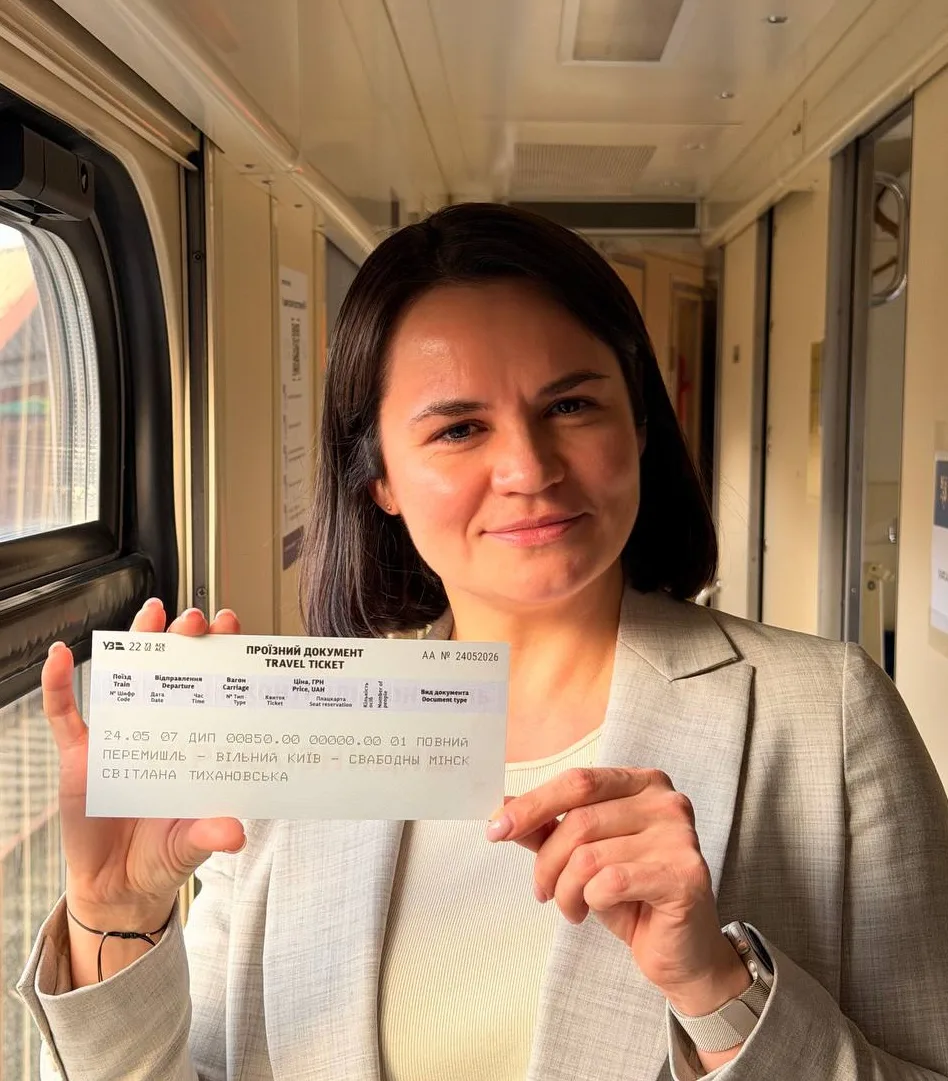
Sviatlana Tikhanovskaya arrived in Kyiv. For most observers, this is another routine diplomatic visit by an opposition leader in exile. But Belarusian and Ukrainian political analysts read this meeting differently — as a public acknowledgment that Minsk after Lukashenko is becoming a real planning horizon rather than an abstraction.
"This visit is addressed simultaneously to two audiences," explains Ukrainian analysts Valery Karbalevich. "To Lukashenko as a signal: Kyiv no longer considers him eternal. And to the Belarusian opposition: Ukraine views them as future partners, not merely symbolic allies."
The real conflict here is not between Tikhanovskaya and Lukashenko — it is between two logics that Kyiv is trying to maintain simultaneously. First: do not provoke Minsk, because the northern border is critical infrastructure, mine fields, and a potential corridor of pressure. Second: do not miss the window when a change of power in Belarus happens faster than a new architecture of relations can form.
Since 2020, Tikhanovskaya has been based in Vilnius and represents the Coordination Council — a structure that claims the role of a government in exile, but lacks international recognition as a legal entity. Kyiv has still not officially recognized it as a government. This visit did not change its legal status — but it changed the level of public visibility.
Ukraine, meanwhile, has concrete interests at stake: a transition scenario in Belarus without prior agreement with potential successors to Lukashenko represents the risk of repeating chaos that could immediately affect the security of Kyiv, Chernihiv, and Sumy regions. Preparation for the "Belarusian question" therefore is not opportunism, but basic security logic.
In parallel, Minsk continues to balance between Moscow and its own institutional survival. Lukashenko publicly supports Russia but avoids direct involvement of Belarusian military forces in combat operations in Ukraine — and this balancing act, according to analysts at Chatham House, indicates the preservation of a certain room for maneuver.
One concrete question remains open: if a power transition in Belarus occurs without prior dialogue between Kyiv and the democratic opposition — will Ukraine manage to formulate its position before Warsaw and Vilnius formulate it for them?



