Silence as a weapon: commander of the Air Assault Forces explained why gains in the Zaporizhzhia direction must be safeguarded
In an interview with "Podrobytsi," Oleh Apostol called informational restraint a key factor in advances in the south — but warned that the Russian Federation may deploy reserves. We examine what lies behind this and why it matters for security and the next steps.

By Tetiana Suchkova-Ladik
March 8, 2026 · 2 min read
Silence as an operational resource
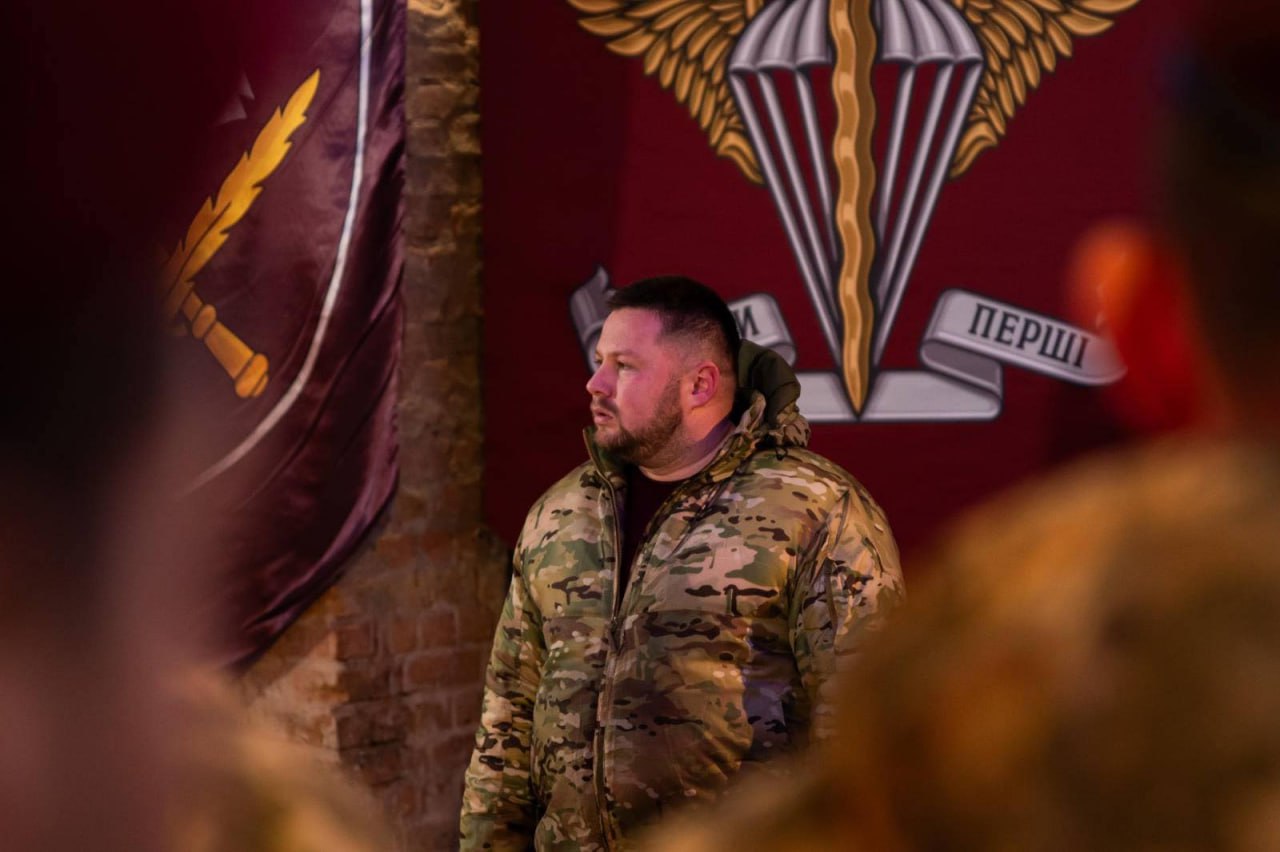
In a large operation, it is often not loud announcements but timely restraint that proves decisive. In an interview with "Podrobnosti," the commander of the Air Assault Forces, Major General Oleh Apostol, explained that it was precisely information silence that allowed the Armed Forces of Ukraine to advance in certain sectors of the Zaporizhzhia direction without the enemy bringing up reserves in time.
"Maintain complete silence. Including at all stages. And this for the future simply concerns certain moments, people who should not be highlighted, especially our successes."
— Oleh Apostol, commander of the Air Assault Forces of the Armed Forces of Ukraine
What has been done and what has been confirmed
According to Apostol, the General Staff planned for AAF units a specific axis of advance where the enemy was not concentrated — and it was there that Ukrainian forces were able to push out the occupier. Apostol also reported confirmation of the killing of two enemy battalion commanders as part of this operation.
There are also official markers of success: as of 23 February 2026, the Armed Forces of Ukraine, according to the command, had liberated eight populated places and restored control over about 400 square kilometers of territory in Zaporizhzhia Oblast during the counteroffensive. On 25 February, the Main Intelligence Directorate reported the return of control over positions near Stepnohirsk.
"I cannot be responsible for the entire Zaporizhzhia direction. I only operate in a certain sector. And you understand that they want both Orikhiv and Zaporizhzhia itself. Here, where I'm working at the moment, you wouldn't say it's stabilized, because, for example, you operate one way now, and in a week some reserves may appear."
— Oleh Apostol, in an interview with "Podrobnosti"
Risks and next steps
Apostol points directly to the main vulnerability: as soon as the real situation becomes known to the Russian leadership, there is a high risk that reserves will be operationally brought up and the advance will be stopped. Therefore the current tactic is not to demonstrate successes until a sustainable operational result has been secured.
This is a reminder: war is not only heroism, but also intelligence, logistics and information security. Analysts and military experts note that turning tactical successes into a sustainable strategic gain is possible only by combining field actions with high-quality intelligence, reliable logistics and partner support.
A question for society and command: will there be enough resources and time to retain the initiative in the sector where the Air Assault Forces are currently operating, and to turn temporary advances into long-term control? The answer depends on subsequent decisions by the General Staff and on continuous support — material, intelligence and political.



