Tishchenko joined “Restoration of Ukraine”: what the appearance of former Opposition Platform — For Life figures in the Rada means
While attention to parliament does not always focus on the details, a politician with a dubious reputation is joining the group formed after the ban on the Opposition Platform — For Life, and this is an important signal about the trustworthiness and accountability of the political elite.

By Tetiana Suchkova-Ladik
February 26, 2026 · 2 min read
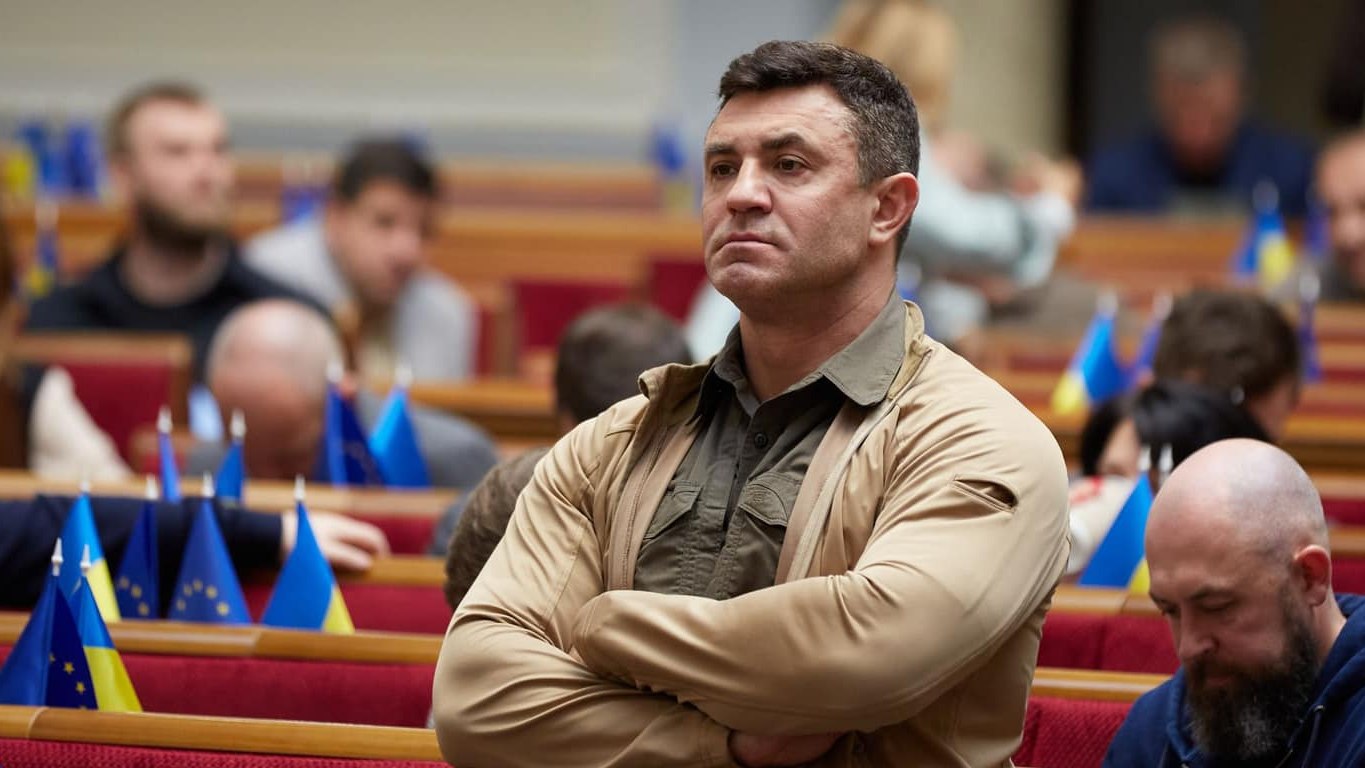
Announcement in Parliament
During a session of the Verkhovna Rada broadcast on the "Rada" channel, First Deputy Speaker Oleksandr Korniienko announced the entry of Member of Parliament Mykola Tyshchenko into the parliamentary group «Restoration of Ukraine» — formed in the wake of the disbanding and ban of the pro-Russian Opposition Platform — For Life (OPZZh). This has been formally confirmed by a corresponding statement from the MP.
Tyshchenko was expelled from the Servant of the People party and faction in January 2023 after a trip to Thailand. In public statements at the time he said he would continue to stay abroad, using the phrasing that it was a "business trip".
"Will continue his 'business trip'."
— Mykola Tyshchenko, Member of Parliament (statement, January 2023)
In public court registers and media reports, Tyshchenko appears in a criminal proceeding related to an incident involving a former fighter. On June 25 he was notified of suspicion of unlawful deprivation of liberty; the court then placed him under house arrest, later (October 2025) the preventive measure was changed to a personal obligation.
The description of the group's creation also notes that among its members is a person who recently served a prison sentence — a fact that adds political weight and public interest to this association.
Why it matters
The formation «Restoration of Ukraine» effectively consolidates the political remnants of the banned OPZZh. The reintegration of public figures with questionable reputations into parliamentary work raises three key issues: trust in institutions, the restoration of ethical standards in politics, and the accountability of the law enforcement system.
Political scientists and lawyers point out: parliamentarianism must not replace investigative and judicial processes. If people under investigation are given public platforms without transparent explanations and oversight, this undermines citizens' trust in personal and institutional accountability.
What’s next
The roadmap for further action is simple: transparency in the parliament's staffing decisions, clear tracking of the group's voting, and continuous work by law enforcement within the bounds of the law. For society, it is important to watch not only the headlines but the real actions — how these deputies vote and which legislative initiatives they advance.
The question of the state's combat resilience is now closely linked to the quality of the politics within it: whether «Restoration of Ukraine» will become a platform for a real contribution to reconstruction and security, or an alternative path for the "rehabilitation" of politicians under investigation — time and the behavior of institutions will tell.



