In Florida: Zelensky and Trump on a "strong deal" — security guarantees and the role of the Zaporizhzhia Nuclear Power Plant
The meeting began with a delay, but this is not a show: it is about security guarantees, possible territorial compromises and the management format of the Zaporizhzhia Nuclear Power Plant — decisions that could affect the country’s security.

By Tetiana Suchkova-Ladik
December 28, 2025 · 2 min read
What the leaders are negotiating
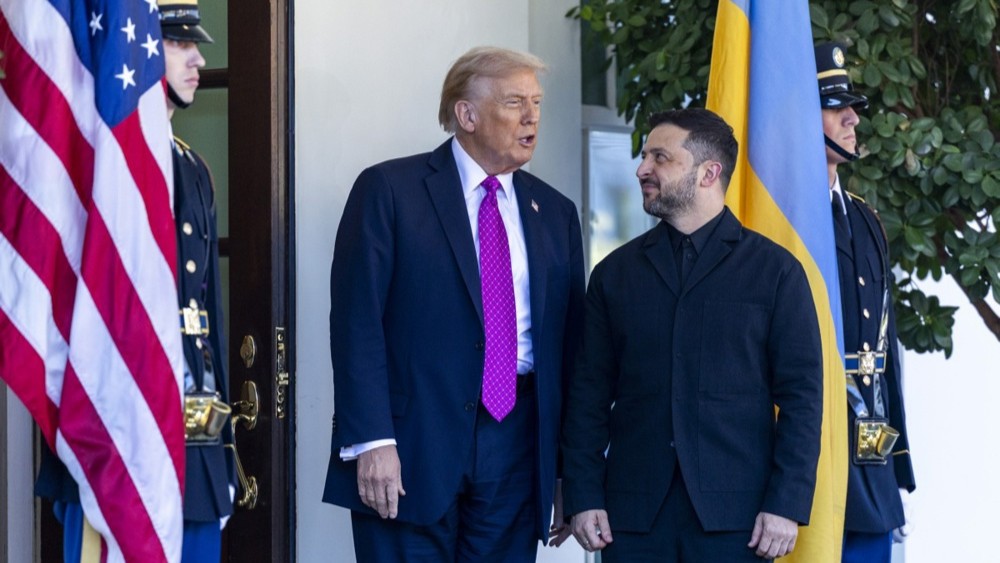
A meeting between Presidents Volodymyr Zelenskyy and Donald Trump has begun in Florida — with nearly a half-hour delay at the start. On the agenda are security guarantees, questions of possible territorial arrangements, and the role of Ukraine and partners in managing the Zaporizhzhia Nuclear Power Plant (ZNPP).
"We have to sign an agreement."
— Donald Trump, President of the United States
Trump emphasized that there are no deadlines at the moment and that all parties allegedly "want to conclude an agreement." Zelenskyy, in his remarks, stressed the need for a step-by-step strategy and that the Ukrainian and American sides have discussed security guarantees at length.
"We will now discuss this strategy."
— Volodymyr Zelenskyy, President of Ukraine
Key details and context
The talks moved into a closed session after initial statements to the press; another joint press conference is expected to follow. Before the Ukrainian delegation arrived, Trump held more than an hour of talks with Russian President Vladimir Putin and, according to reporters on the ground, plans further contact after the meeting with Zelenskyy.
Why this matters: the format of guarantees, as well as the question of management of the ZNPP, touch simultaneously on security, sovereignty, and the technical safety of nuclear facilities. Any arrangements on "commissions" or joint management carry legal and practical consequences — from control over access to the plant to responsibility for its safety.
Risks and expectations
Analysts note that talk of a "strong deal" does not yet equal guarantees. The main risks are: vague wording regarding territories, the absence of mechanisms to monitor implementation of guarantees, and the possible influence of a third party on decisions about the NPP. The key question for Ukraine is how to turn political declarations into legally enforceable guarantees backed by resources and monitoring mechanisms.
What’s next
The closed phase of the negotiations and hours-long off-camera discussions indicate that the parties are working through the details. The task now for Ukrainian diplomacy is to secure clear mechanisms and transparent timelines so that words about an "agreement" have real force. The question remains open: will these declarations turn into practical guarantees that strengthen Ukraine's security?



