"I have a plan": How U.S. moves on oil will affect Ukrainian prices and security
After Brent surged past $100, Donald Trump pledged a plan to bring down oil prices — we break down which tools the US can employ and why this matters for Ukraine right now.

By Tetiana Suchkova-Ladik
March 9, 2026 · 2 min read
Why this statement matters
The global price of Brent crude jumped above $100 per barrel after the escalation of the conflict in the Persian Gulf. For Ukrainians this directly affects fuel costs, logistics, and state spending on energy imports. When U.S. leaders talk about "a plan," it's not just PR — it's market signals and potential actions that can quickly change the availability and price of energy resources.
What Trump said and how the media are presenting it
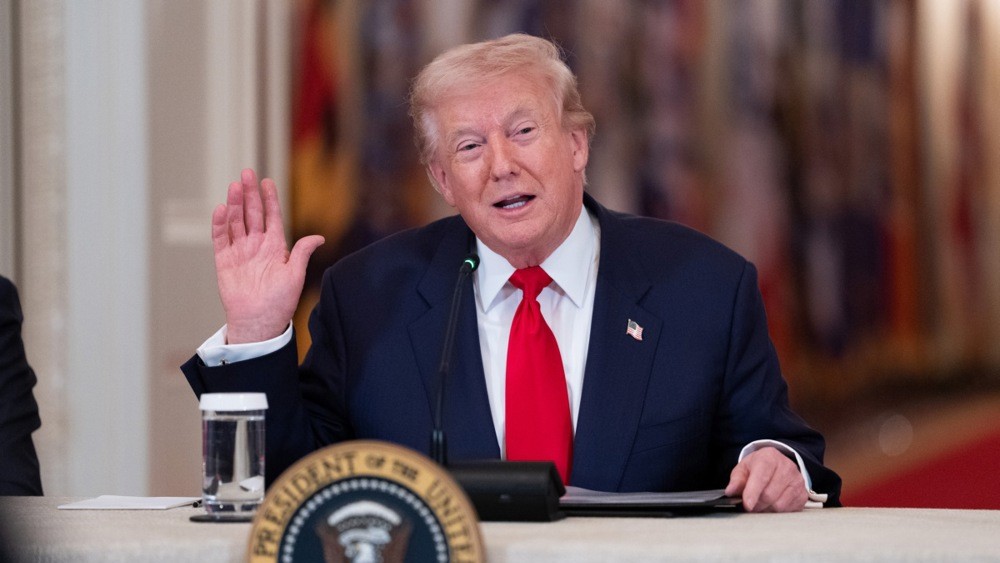
"I have a plan for everything. You will be very pleased."
— Donald Trump, interview with the New York Post
The New York Post conveys this short but substantive phrase; the outlet notes that Trump did not provide technical details. Other agencies (notably Reuters) report the sharp jump in prices and link it to the escalation of the regional conflict.
What tools are on the table for the U.S.
Use of strategic reserves. This is the most obvious mechanism for quickly putting pressure on the market. Releasing reserves can lower prices in the short term, but does not solve structural risks.
Diplomatic and military guarantees for shipping. The U.S. has already offered insurance and military escort to vessels through the Strait of Hormuz — this supports the transit of energy carriers and reduces the risk premium in charter rates.
Regulatory and sanction decisions. Announcements of temporary exemptions or permits (for example, regarding purchases of Russian oil by foreign companies) also change supply flows and the demand/supply balance on the global market.
Social proof and expert assessments
Reuters reported large purchases of Russian oil by Indian refineries, which confirms that at current prices global buyers are seeking alternative sources. Ukrainian analysts and LIGA.net record a direct link between Brent fluctuations and retail fuel prices in the country. Experts generally agree that a short-term price drop is possible through reserves and diplomatic measures, but a sustained decline requires de-escalation and stabilization of supplies.
What this means for Ukraine
Short term: some price relief is possible if the U.S. and other producers quickly release volumes or provide secure corridors for tankers. This would ease pressure on the budget and transport logistics.
Medium and long term: dependence on the global market situation remains. For resilience, Ukraine needs diversification of supplies, strategic reserves, and partner support in ensuring energy security.
Brief conclusion
Trump's statement is a signal, not a detailed plan. The practical benefit for Ukrainians will depend on concrete steps: releasing reserves, escorting ships, diplomatic agreements. If the U.S. and partners use these levers, it could buy Ukraine time to strengthen its own energy resilience. But the main conclusion is simple: the price of oil is politics, and politics will determine how quickly we feel changes at the pumps.



