Infant sold for $10,000 in Mykolaiv — police detain parents
An infant was born on January 1, 2026; the parents handed the child over to a "buyer" the following day. We examine why this case is important for child safety and trust in institutions.

By Tetiana Suchkova-Ladik
January 6, 2026 · 2 min read
Event
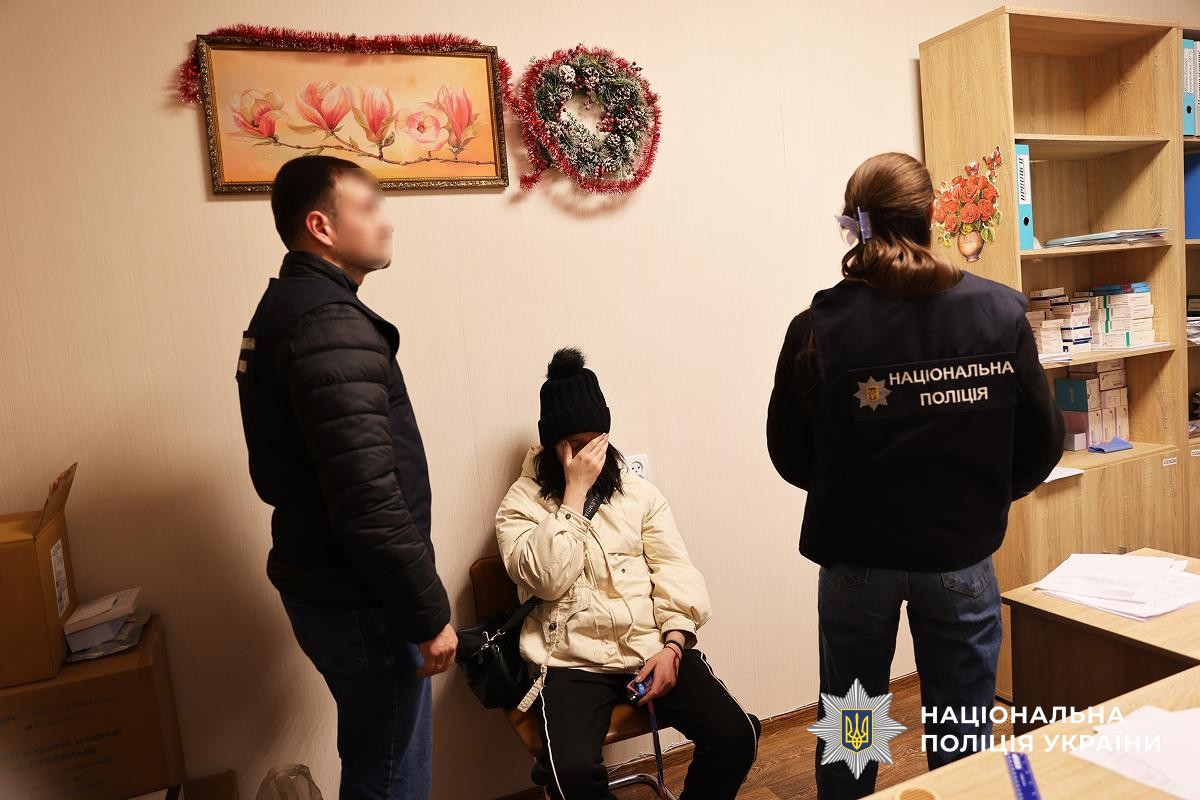
In Mykolaiv, officers of the migration police department exposed a 21‑year‑old woman and her 38‑year‑old partner who sold their newborn baby for $10,000. According to the National Police, the suspects were detained immediately after handing the child to the "buyer" near the maternity hospital.
According to the investigation, the prearranged sum was split into a down payment — UAH 8,000 — and the main amount, which was handed over after the birth. The child was born on January 1, 2026; the next day the infant was transferred to another person, after which law enforcement conducted an operation and detained both.
Law enforcement response
"The suspects were detained immediately after the transfer of the child; they have been notified of suspicion of human trafficking with regard to a minor. The case is being investigated within the framework of criminal proceedings provided for by the relevant articles of the Criminal Code of Ukraine."
— National Police of Mykolaiv Region
The man and the woman have already been formally accused under articles concerning human trafficking. The court ordered pretrial detention with the possibility of bail. If convicted, the suspects face up to 15 years in prison.
Context and significance
This case is not an isolated incident but a symptom of a broader problem: the trafficking of children remains one of the most extreme violations of children's rights and a sign of social degradation. The police operation prevented the likely involvement of the child in networks of illegal adoption or exploitation.
Analysts and human-rights defenders point out that cases in which mothers or parents attempt to sell a child are often linked to poverty, addiction, or involvement in criminal schemes. Previous cases in the region and across Ukraine show that episodic incidents can be part of a wider network of risks for newborns.
Consequences and what should be done
The outcome of the investigation will show whether the case had an organized character and which other persons may have been involved. For the community, this is a signal: social support for pregnant women and young parents, access to assistance services, and child protection mechanisms must be strengthened. State institutions and civil society organizations should focus on prevention to ensure such cases do not recur.
Citizens can help by reporting suspicious offers or attempts to sell children to the police or child welfare services. Protecting minors is not only the work of law enforcement but also a test for the social system on which the safety of our children depends.
Additional information
The report also states that the couple had previously come to the attention of police for crimes related to illegal drug trafficking, property offenses, and crimes against persons. Recall similar high‑profile cases in the country: in 2024 a resident of Dnipropetrovsk region planned to sell her son for UAH 1 million — evidence of a systemic problem that requires a comprehensive response.



