Zaporizhzhia nuclear power plant and territories to be discussed in Paris — a test of international security guarantees
The Ukrainian delegation in Paris will raise the most difficult points of the core framework for ending the war — from the safety of the Zaporizhzhia Nuclear Power Plant to mechanisms for the return of territory. Why this matters for the security of every Ukrainian — in a short analysis.

By Tetiana Suchkova-Ladik
January 7, 2026 · 2 min read
Why it matters
On Wednesday, January 7, in Paris the Ukrainian delegation will hold another round of talks with representatives of the United States and other partners, with a focus on the Zaporizhzhia Nuclear Power Plant and the return of territories. For Ukraine this is not abstract diplomacy — it concerns the safety of citizens, risks to nuclear infrastructure, and the conditions for future restoration of sovereignty.
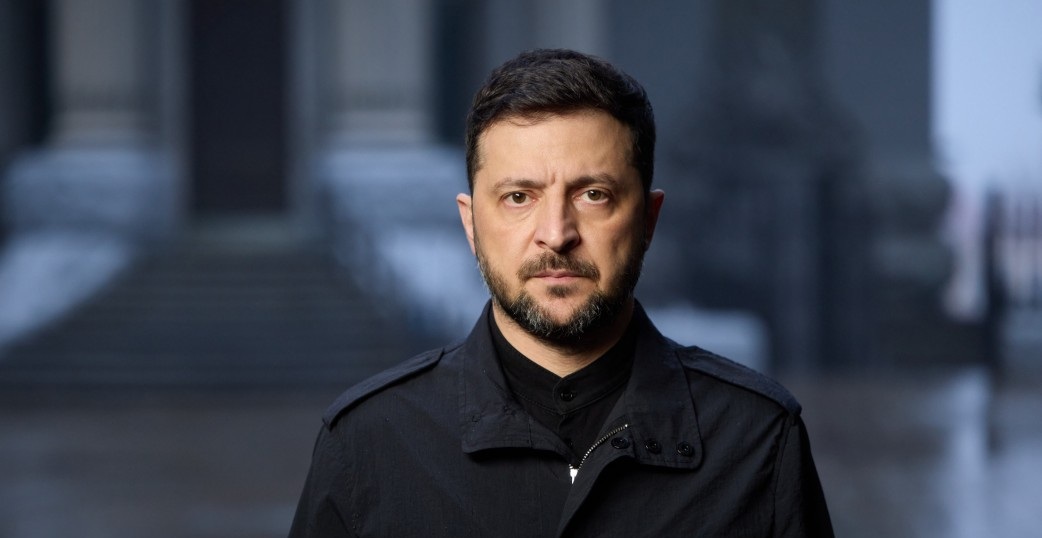
"We expect that, among other things, the most difficult issues from the basic framework on ending the war will be discussed — namely the issues regarding the Zaporizhzhia nuclear power plant and the territories"
— Volodymyr Zelensky, President of Ukraine
What exactly is on the agenda
According to official information, the main topics are the safety of operating the Zaporizhzhia Nuclear Power Plant (ZNPP) (reducing the risk of a nuclear accident, access control, independent monitoring) and mechanisms for the return of territories (timelines, security guarantees, the role of international forces). Discussion of these issues will determine whether declarations will turn into concrete instruments that protect people's lives and infrastructure.
This is already the third session in two days with representatives of the U.S. administration, underlining the intensity and priority of the talks.
Who represents Ukraine
- Rustem Umerov — Secretary of the National Security and Defense Council;
- Andriy Hnatov — Chief of the General Staff of the Armed Forces of Ukraine;
- Kyrylo Budanov — Head of the Office of the President;
- Serhiy Kyslytsia — First Deputy Head of the Office of the President;
- David Arakhamia — Head of the "Servant of the People" faction;
- Oleksandr Bevz — Adviser to the Head of the Office of the President.
Paris context: what has already been signed
On January 6 in France a meeting of the "coalition of the willing" took place, which ended with the signing of the Paris Declaration "Reliable Security Guarantees for a Strong and Lasting Peace in Ukraine". That same day Ukraine, France and the United Kingdom signed a declaration of intent regarding the future deployment of multinational forces. This creates political and diplomatic pressure on the decision-making process, but also raises expectations for specifics — from funding to the format of guarantees.
What next
Declarations and signed intentions are a useful step, but the key question now is whether they will be turned into clear mechanisms that will guarantee the safety of the ZNPP and the return of territories to Ukraine's control. The partners' answers will determine how quickly and safely risks to millions of people can be reduced and full control over Ukrainian land restored.
Now it's up to the partners: will the signed declarations be enough to create real guarantees, and what compromises will have to be made in the process — questions that expect concrete answers over the next few weeks.



