Captured Ukrainian soldiers were shot in Shakhove — the prosecutor's office classifies it as a war crime
During an assault on positions in Donetsk region, occupying forces captured two fighters, shot them and stripped them of their clothes. A criminal investigation has been opened; the ombudsman has appealed to the Red Cross and the UN. We examine what this means for evidence collection and international accountability.

By Tetiana Suchkova-Ladik
December 29, 2025 · 2 min read
What happened
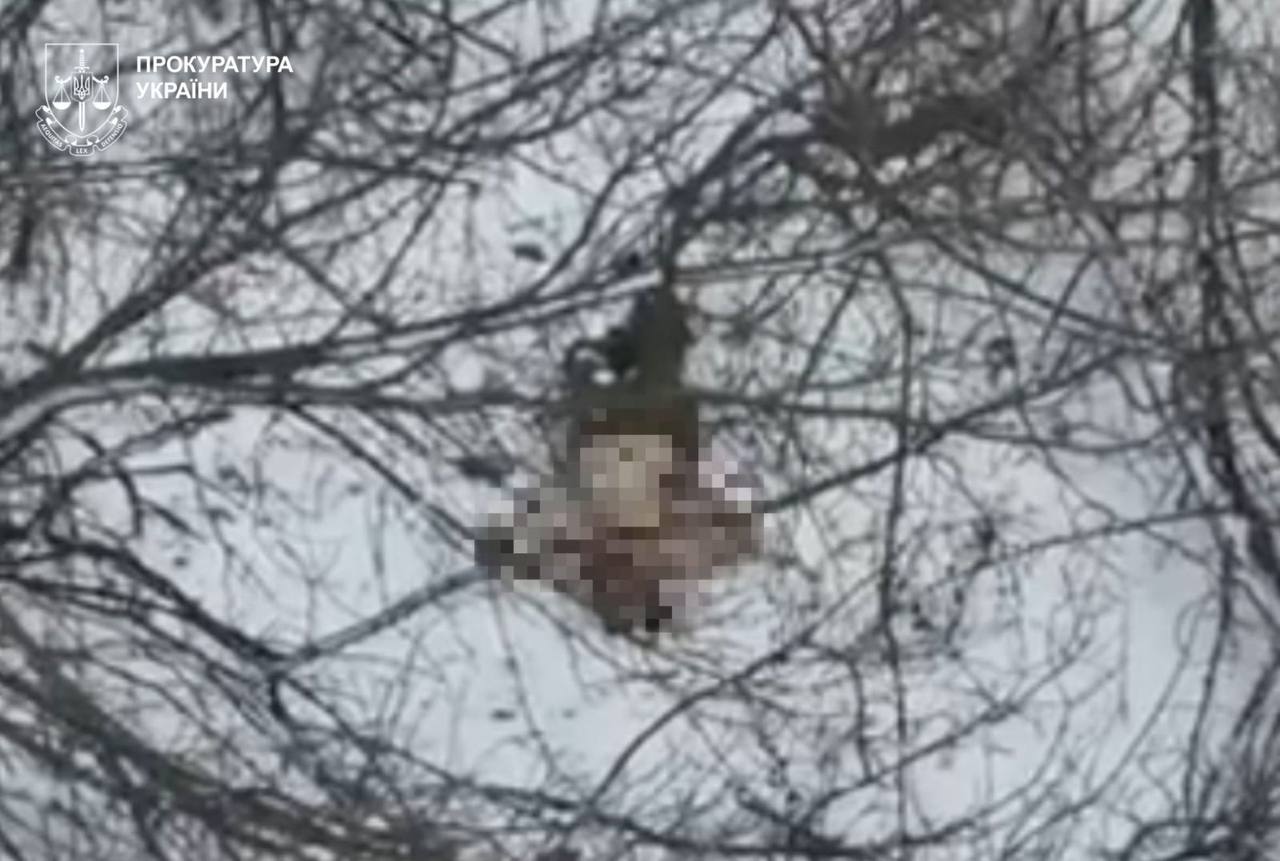
On 27 December, during an assault on positions in the village of Shakhove in Pokrovskyi Raion, Russian forces captured two servicemen of the Ukrainian Armed Forces. According to the Office of the Prosecutor General and the Ombudsperson, the defenders were disarmed, one was forced to partially undress, after which both were shot dead. After the killings, the occupiers removed the clothing from the second deceased.
Legal context
Such an act falls under the definition of a war crime: international humanitarian law prohibits the killing and inhumane treatment of prisoners of war. A criminal investigation has already been launched.
"An investigation has been opened in criminal proceedings on the fact of committing a war crime that caused the death of a person."
— Office of the Prosecutor General
State actions and international contacts
Ombudsperson Dmytro Lubinets officially reported the incident and sent appeals to the International Committee of the Red Cross and the United Nations to document the rights violations and coordinate further actions. The prosecutor's office urges witnesses and anyone with information to report to the Ombudsperson's hotline: 0800501720.
Why this matters for security and justice
This case is not an isolated act of brutality but part of systemic violations, which have three consequences: first, they create an evidentiary basis for international tribunals; second, they raise questions about the responsibility of combat formations and commanders; third, they affect the morale of units and the civilian population in frontline communities.
Human rights and international law experts note that to hold perpetrators accountable it is important not only how Kyiv reacts, but also the prompt collection and verification of evidence and international coordination — from photo and video documentation to eyewitness testimony.
Previous incidents in the region
This case fits into a long series of violations in Pokrovskyi and neighboring districts. On 28 November, reports described an incident in which occupiers captured a serviceman, beat him and shot him. On 5 December the prosecutor's office recorded another incident near Sviato-Pokrovskyi, when a fighter who emerged with his hands raised was shot.
What next
Key steps are the rapid documentation and transfer of evidence, international coordination and the legal preparation of materials for subsequent proceedings. This also entails assessing the effectiveness of sanctions and deterrence policy: whether partners can turn testimony into legal accountability depends on the quality of the evidentiary base and political pressure.
A question for society and partners: will there be enough speed and resources to systematically document such crimes and achieve justice at the international level?
Contact for reports and testimonies: Ombudsperson's hotline — 0800501720.
— Ombudsperson of the Verkhovna Rada of Ukraine for Human Rights



