Driver of Yermak found with document containing personnel plans for SBU — SAP
# Search of vehicle of Presidential Office Chief Andriy Yermak uncovers document titled "SBU: Maximum Program" During a search of a vehicle belonging to the driver of Presidential Office Chief Andriy Yermak, law enforcement seized three pages containing text titled "Security Service of Ukraine: Maximum Program." The Specialized Anti-Corruption Prosecutor's Office has not disclosed the contents of the document, but the mere existence of such material raises questions about who and how personnel policy is being shaped at the country's chief intelligence agency.

By Tetiana Suchkova-Ladik
May 12, 2026 · 2 min read
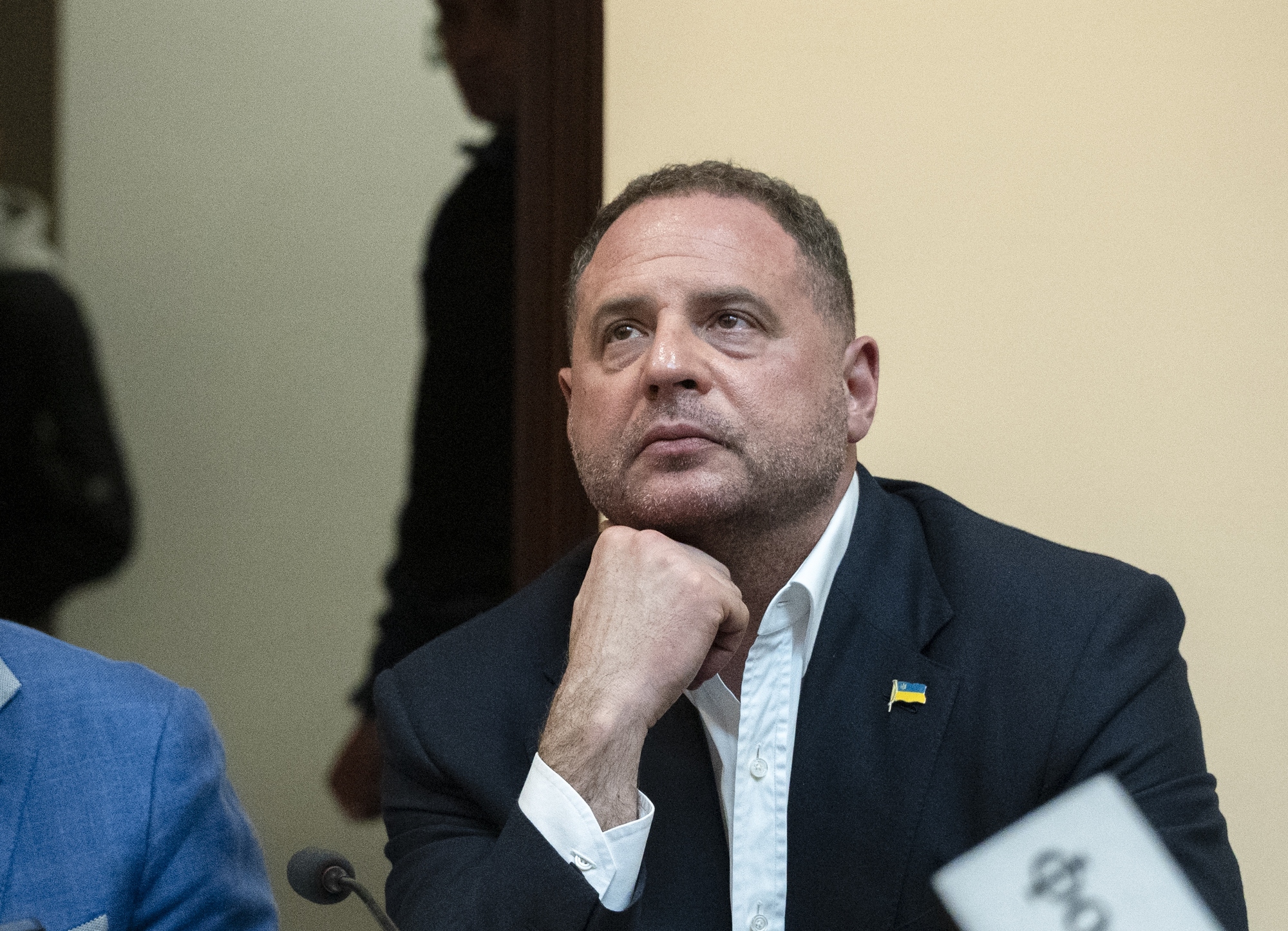
The Specialized Anti-Corruption Prosecutor's Office reported that during investigative actions in the car of the driver of Andriy Yermak, the head of the President's Office, three A4 sheets of printed text were seized. The document's title — "SBU of Ukraine: maximum program" — directly indicates personnel appointments in the Security Service of Ukraine.
The SAP did not disclose the document's content: the investigation is ongoing, and materials constitute a pre-trial investigation secret. It is only known that the driver is a person of interest or witness in a case being handled by the anti-corruption agency.
Why this matters
The SBU is not merely a security agency. It is a body with counterintelligence powers, state secrets protection, and authority to combat corruption within its own ranks. Personnel decisions within it must, according to law, go through established procedures — submission by the SBU head, approval by the president, and parliamentary oversight in defined cases.
If a document listing appointments was in the car of someone from Yermak's circle, this means either that personnel decisions are being prepared outside the official channel, or that someone was gathering such information for an undetermined purpose. Both scenarios require explanation.
Context: Presidential Office and security agencies
The Presidential Office's influence over appointments in security agencies is a longstanding point of tension between formal institutions and informal centers of power. Several former heads of security agencies have publicly spoken of pressure from the Presidential Office on personnel matters. Yermak has rejected these allegations.
Yermak himself has not yet appeared as a suspect in the case. His driver is a separate procedural figure. But the document in the car is a physical link between the Presidential Office head's circle and plans regarding a specific intelligence service.
What's next
The SAP does not specify when the investigation will be completed. The question of who authored the document and whether the names listed match actual SBU appointments remains open — and the answer to it will determine whether this is about information gathering or an actual mechanism of influence over the intelligence service in violation of the law.



